Aalto Works inscribed on UNESCO World Heritage List
-
26 Jul, 2026
Five buildings in Helsinki are included in the newly designated World Heritage Site, giving the Finnish capital the largest concentration of Aalto landmarks in the series
Aalto Works, a collection of 13 landmark buildings in Finland designed by pioneering modernist architects Aino, Elissa and Alvar Aalto, has been inscribed on the UNESCO World Heritage List.
The designation recognises the global significance of the Aaltos’ human-centred approach to architecture and design, which combined functionality, aesthetic quality and concern for human wellbeing. Their work helped shape modern architecture and continues to influence architects and designers around the world.
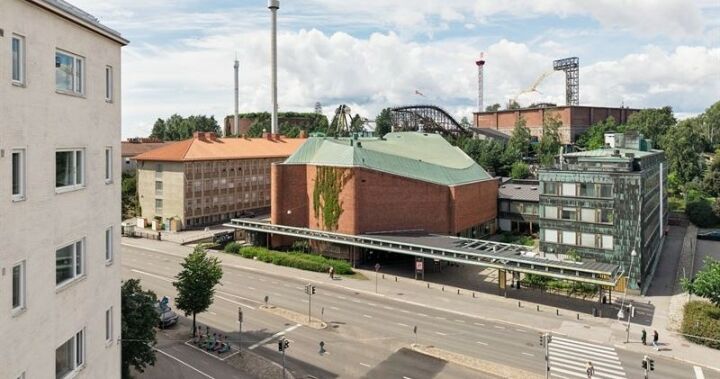
Five of the buildings included in the World Heritage Site are located in Helsinki: the Aalto House, Studio Aalto, the National Pensions Institute (KELA), the House of Culture and Finlandia Hall. This gives the Finnish capital the highest concentration of buildings within the UNESCO-listed series.
The decision was announced during the annual meeting of the UNESCO World Heritage Committee in Busan, South Korea. Finland’s Ministry of Education and Culture submitted the nomination in 2025. It was prepared by the Finnish Heritage Agency in cooperation with the Alvar Aalto Foundation, ICOMOS Finland and the owners of the nominated properties.
Architecture designed for everyday life
The buildings were selected not only as outstanding examples of modern architecture but also as places demonstrating how design can promote wellbeing, equality and community life.
“The inclusion of the Aalto Works on the UNESCO World Heritage List represents a wonderful and significant international recognition of Finnish architecture,” said Helsinki Mayor Daniel Sazonov.
“The five Helsinki sites are important parts of our city’s architectural and cultural heritage. UNESCO status brings new visibility to the sites, while also reminding us Helsinki residents of our beautiful and architecturally rich hometown.”
Helsinki provides a convenient base from which to explore the Aalto legacy. The five listed buildings in the capital are accessible by public transport, while exhibitions and visitor programmes offer further insights into the architects’ lives and work.
Finlandia Hall hosts the permanent exhibition Visions of Alvar Aalto, focusing on the lives and work of the Aaltos. The Architecture and Design Museum is also presenting Aalto Design: Shapes of Wellbeing, which will remain open until January 2027.
Five UNESCO-listed Aalto buildings in Helsinki
The Aalto House — completed in 1936
Located in Munkkiniemi, a Helsinki neighbourhood characterised by private villas, the building served as the Aalto family home. Its design reflects the architects’ interest in combining functionality, comfort and natural materials in an everyday living environment.
Studio Aalto — completed in 1955
Built a short distance from the family home in Munkkiniemi, Studio Aalto contained the architects’ office, communal facilities and a caretaker’s apartment. Simple materials, distinctive spatial arrangements and carefully planned natural lighting created an inspiring and highly functional working environment. Both Studio Aalto and the Aalto House are open to visitors by arrangement.
National Pensions Institute (KELA) — completed in 1956
Designed as the headquarters of Finland’s state pension system, the building occupies its own block in Helsinki’s Töölö district, close to the city centre and slightly set back from Mannerheimintie. Its interior design is particularly notable for lighting solutions that combine natural and artificial light to meet the building’s different functional requirements.
House of Culture — completed in 1958
Commissioned by the Communist Party of Finland with the goal of “making culture the property of the entire nation”, the House of Culture became a landmark of Helsinki’s modernist cityscape. It originally accommodated dance, cinema, concerts, theatre, boxing, wrestling, gymnastics, choirs and various clubs, as well as large public gatherings.
Finlandia Hall — completed in 1971
Situated beside the National Museum of Finland and Parliament House in central Helsinki, Finlandia Hall is a monumental concert and congress venue. Its architecture was shaped by modern ideals of international cooperation and cultural exchange.
The largest Aalto-designed building in Helsinki, Finlandia Hall underwent extensive refurbishment between 2022 and 2025. It now hosts cultural events and offers two short-stay residences, named Aino and Elissa, which are available to the public. Furnished with Aalto-designed furniture and household objects, the apartments allow visitors to stay overnight inside the UNESCO-listed landmark.
Finland’s first UNESCO recognition for modern architecture
Tommi Lindh, CEO of the Alvar Aalto Foundation, described the World Heritage designation as unique from both Finnish and international perspectives.
“Until this designation, Finland had no sites of modern architecture on the UNESCO World Heritage List,” Lindh said.
“These sites demonstrate the universal value of the Aaltos’ human-centred approach to architecture and design, which brought together functionality, beauty and a deep understanding of people’s everyday lives.”
According to Helsinki Chief Design Officer Hanna Harris, the Aaltos’ legacy remains highly relevant to contemporary urban design.
“The Aaltos’ human-centred approach shows how design can enrich everyday life and shape the way we experience our surroundings,” Harris said. “That legacy continues to influence how we think about design today—not only as cultural expression but as an essential part of everyday life.”
Finlandia Hall CEO Johanna Tolonen said the designation further strengthens Helsinki’s position as a destination for architecture enthusiasts.
“Helsinki is a must-visit destination for any architecture lover, and we’re lucky to have perhaps the most significant concentration of buildings by the Aaltos anywhere in the world,” Tolonen said from Busan.
“Finlandia Hall is delighted to offer the public the opportunity to visit and stay in a UNESCO-listed building. Our refurbished spaces faithfully preserve the Aaltos’ design intent.”
A lasting influence on modern design
Alvar Aalto (1898–1976), Aino Aalto (1894–1949) and Elissa Aalto (1922–1994) were jointly responsible for one of the most influential bodies of work in 20th-century architecture.
They introduced humanist warmth, natural materials and organic forms into modernism. Their work extended beyond architecture to textiles, glassware, furniture, lighting and household objects.
Many Aalto buildings embody the concept of the Gesamtkunstwerk, or “total work of art”, in which every component—from door handles and lighting fixtures to furniture and plant pots—was designed as part of a harmonious whole. This integrated approach created coherent and humane environments that came to symbolise social progress and rising living standards in Finland and beyond.