Marie-Antoine Carême
Gastronomy and Culinary Professionals Gastronomy Writers Gastronomy Pioneers COUNTRIES AND TERRITORIES France
(Paris, France, 1784–1833)
-
2026

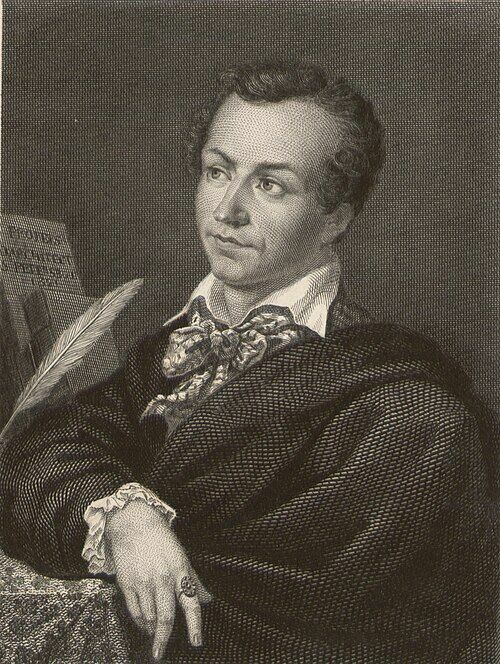
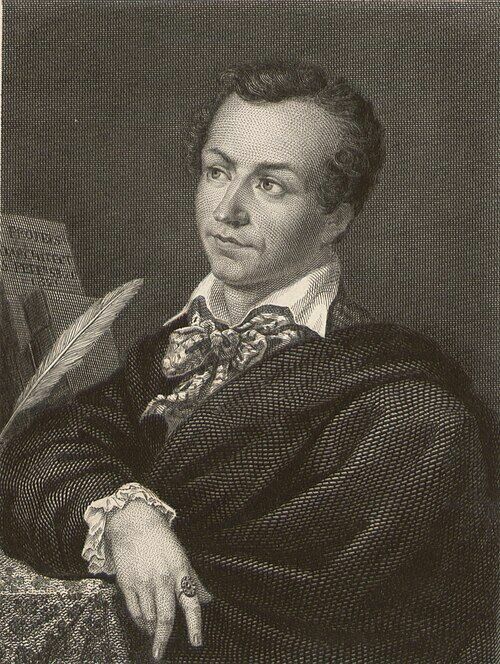
Marie-Antoine Carême was a French chef, pastry chef, and gastronomic writer regarded as one of the founders of modern French haute cuisine. By integrating aesthetics, architecture, and artistic presentation into culinary practice, he played a major role in the development of French gastronomy. Often referred to as the “King of Chefs and Chef of Kings,” Carême became one of the most influential figures in culinary history through his systematic approach to French cuisine and his exceptional achievements in pastry.
Born into a poor family in Paris, Carême began working at an early age. He later trained under the renowned pastry chef Sylvain Bailly. Largely self-educated, Carême taught himself to read and write and developed a strong interest in architecture. By studying architectural drawings at the Bibliothèque nationale de France, he incorporated architectural principles into pastry making and created elaborate decorative structures from sugar paste and marzipan. Inspired by classical Greek, Roman, and Egyptian architecture, these spectacular creations became known as pièces montées and emerged as iconic features of aristocratic banquets during the Napoleonic era.
In 1803, Carême opened his own pastry shop in Paris, where he became known for refined pastry creations, including the popularisation of the vol-au-vent. He later entered the service of the French diplomat Charles-Maurice de Talleyrand, preparing elaborate meals for diplomatic receptions. His reputation quickly spread across European royal courts, leading him to serve distinguished patrons such as King George IV of the United Kingdom and Tsar Alexander I of Russia.
Carême was not only a successful chef but also an influential culinary writer who sought to systematise French gastronomy. In works such as Le Pâtissier Royal Parisien, Le Pâtissier Pittoresque, and L’Art de la Cuisine Française, he examined French cuisine from both theoretical and practical perspectives. He was among the first chefs to classify the principal sauces of French cuisine systematically and laid the foundations for the mother sauce system later developed by Auguste Escoffier.
Emphasising the preservation of natural flavours, the use of fresh ingredients, and refined presentation, Carême made lasting contributions to the professionalisation of modern gastronomy. His work also helped elevate the status of the professional chef, contributing to the transformation of cooking from a domestic craft into a respected culinary profession. By viewing culinary practice not merely as a means of nourishment but also as a form of cultural and artistic expression, he secured his place as one of the most influential chefs in the history of gastronomy. His innovations laid important foundations for modern haute cuisine and continue to influence professional culinary education and practice worldwide.
References
De Borms, M. G. T. (2019). Du maître queux au cuisinier du XIXe siècle: La construction de la figure du chef à travers la carrière de Marie-Antoine Carême. Bulletin de l'Institut Pierre Renouvin, 50(2), 101–110; National Geographic. (t.y.). Carême: The world's first celebrity chef (Erişim tarihi: 17 Mayıs 2026); Whyte, R. (2021). Sugar spoils: Marie-Antoine Carême and the gastronomic architecture of Napoleonic Empire. Art History, 44(4), 684–709.
See Also