Burdur Museum Loans 18 Artefacts to Copenhagen Exhibition on Roman Fashion
-
05 Oct, 2026
An exhibition at Copenhagen’s Glyptotek museum explores how clothing, jewellery and hairstyles expressed identity, status and power in the Roman Empire, bringing together 18 objects from Türkiye’s Burdur Museum and works from major European collections.
Eighteen artefacts from Burdur Museum in southwestern Türkiye are on display at Copenhagen’s Glyptotek museum as part of “The Power of Fashion in the Roman Empire,” an exhibition examining the relationship between personal appearance and social standing in the ancient world.
Opened on October 1, the exhibition runs until March 29, 2027. The Turkish loans are presented alongside works from the Glyptotek’s Roman collections, the British Museum, the National Museum of Denmark and Thorvaldsens Museum.
Announcing the loans on social media, Türkiye’s Minister of Culture and Tourism, Mehmet Nuri Ersoy, said the exhibition offered an opportunity to introduce Anatolia’s cultural heritage to international audiences.
“We are bringing Anatolia’s cultural heritage to art lovers around the world,” Ersoy said.
He noted that the exhibition examines how dress, jewellery and hairstyles conveyed identity, social status and power in Roman society, and thanked those involved in its preparation.
Dress as a Language of Power
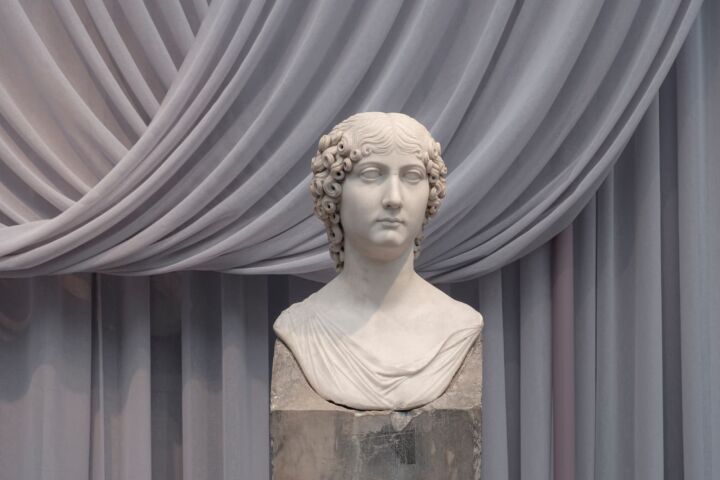
Large-scale marble sculptures depicting members of the imperial family, Roman elites and individuals from across the empire form the exhibition’s centrepiece. Archaeological textiles, jewellery and footwear provide further insights into how people dressed and presented themselves in public.
Together, the objects explore how appearance communicated social position and authority. The exhibition also connects ancient practices with contemporary discussions about fashion, identity and visual representation.
The loans from Burdur Museum place Anatolia’s Roman heritage within a wider international context, allowing visitors and researchers to consider objects from different parts of the empire through shared questions about clothing and identity.
Cultural Cooperation Following Restitution
The exhibition also reflects the development of cultural cooperation following the return of a portrait head of the Roman emperor Septimius Severus to Türkiye.
Türkiye’s Ministry of Culture and Tourism presented the collaboration as an example of how restitution can support longer-term institutional relationships through research, exhibitions, museum loans and cultural exchanges.
The Burdur loans illustrate how the return of cultural property can be followed by new opportunities to study and display archaeological heritage for international audiences.
Scholarly Publication and Public Programme
A peer-reviewed scholarly publication in Danish and English is being prepared to accompany the exhibition. Edited by curator Dr Cecilie Brøns and museum editor Anna Manly, the volume will feature 12 chapters by international scholars examining dress and identity in Roman sculpture.
The exhibition programme is also set to include educational activities, guided tours, lectures, interdisciplinary events and audio guides. Collaborations with fashion designers and media organisations are planned.
“The Power of Fashion in the Roman Empire” is on view at the Glyptotek museum in Copenhagen until March 29, 2027.