Over-55 Travellers Are Emerging as a New Driver of Global Tourism Growth
-
20 Jun, 2026
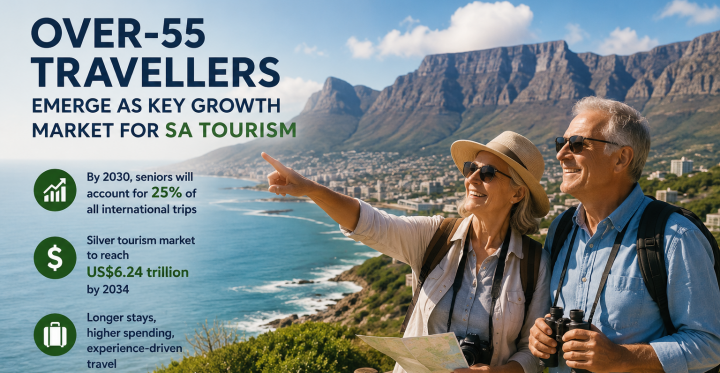
Travellers aged 55 and over are expected to become one of the most important sources of growth for the tourism industry over the next decade. According to experts, changing travel habits among this age group are reshaping the tourism sector, influencing everything from destination choices to the length of stay.
It is projected that by 2030, 25% of all international trips worldwide will be taken by travellers aged 55 and above. The global “silver tourism” market is estimated to reach US$2.29 trillion in 2026 and is forecast to grow to US$6.24 trillion by 2034.
Sandra Kneubuhler, Managing Director for Sub-Saharan Africa at Radisson Hotel Group, noted that this development represents more than a demographic shift. “This transformation is changing how travellers choose destinations, how long they stay, and what they expect from their travel experiences,” she said.
Longer Stays and Higher Spending
Research indicates that travellers aged 55 and older take leisure trips lasting an average of 10.5 days, with multi-week holidays becoming increasingly common.
According to YouGov data, 37% of travellers in this age group take more than one leisure trip each year, while 27% spent at least US$1,000 per person on their most recent journey.
Many of these travellers are retired or are no longer restricted by work and school schedules, allowing them to travel during off-peak periods. This flexibility helps destinations balance seasonal fluctuations in tourism demand.
Growing Demand for Experience-Based Travel
Travel preferences among older travellers are becoming increasingly experience-driven. Cultural engagement, educational travel, and opportunities to connect with local communities rank among the key motivations for this segment.
A 2025 Road Scholar survey found that authentic local experiences and opportunities to gain deeper knowledge about destinations are valued more highly than traditional luxury offerings.
Three major travel categories are particularly popular among this market segment:
- Cultural tourism, gastronomy experiences, and heritage tourism;
- Wellness and health-focused travel;
- Slow-paced nature and wildlife tourism experiences.
Research also shows that travellers place increasing importance on destinations delivering experiences that match the promises made in marketing and promotional materials.
Solo Travel on the Rise
The number of solo travellers aged 55 and above is also growing rapidly. According to data cited by Radisson Hotel Group, the solo travel market within this segment is expanding at an average annual rate of 13.45%, with women accounting for a significant share of that growth.
Among the most popular travel products for solo travellers are wellness retreats, cultural heritage tours, and small-group travel experiences.
Kneubuhler emphasized that this market segment has needs extending beyond traditional marketing approaches. “These travellers are looking for convenience, quality, and meaningful experiences at every stage of their journey. For solo travellers, particularly women, safety and comfort are just as important as independence,” she said.
A Significant Opportunity for South Africa
Experts believe that South Africa is well positioned to benefit from this growing market thanks to its combination of cultural heritage, natural attractions, wellness offerings, and wildlife experiences.
The country’s competitive pricing compared with other long-haul destinations is also considered a major advantage in attracting travellers aged 55 and over.
According to tourism industry assessments, the over-55 travel market is expected to become one of the most important drivers of global tourism growth in the coming years as the world’s population continues to age.