UNESCO Natural Heritage Site
Protected Natural Areas UNESCO Natural Heritage Site
(Paris, France, 1972)
-
2026

Natural heritage sites are areas that possess outstanding natural features, aesthetic value, geological formations, ecological and biological processes, or habitats of threatened species, and are recognized as having Outstanding Universal Value.
The General Conference of the United Nations Educational, Scientific and Cultural Organization (UNESCO), held its seventeenth session in Paris from October 17 to November 21, 1972, concluded that natural heritage was increasingly threatened by destruction, not only because of traditional causes of deterioration but also as a result of changing social and economic conditions that intensified the scale and severity of damage.
In response to these concerns, UNESCO adopted the Convention Concerning the Protection of the World Cultural and Natural Heritage on November 16, 1972. The Convention defines natural heritage as including natural features consisting of physical and biological formations or groups of such formations of Outstanding Universal Value from the aesthetic or scientific point of view; geological and physiographical formations and precisely delineated areas constituting the habitat of threatened species of animals and plants of Outstanding Universal Value from the point of view of science or conservation; and natural sites or precisely delineated natural areas of Outstanding Universal Value from the point of view of science, conservation, or aesthetic value.
Each State Party to the Convention recognizes that the duty of identifying, protecting, conserving, presenting, and transmitting natural heritage to future generations rests primarily with the State in whose territory the heritage is situated. To fulfill these responsibilities, States Parties undertake to use the maximum of their available resources and, where appropriate, to seek international assistance and cooperation, particularly financial, artistic, scientific, and technical support. They are also required to adopt policies integrating natural heritage into community life and planning programs, establish appropriate conservation services, undertake scientific and technical studies to address threats, adopt legal and financial measures for heritage protection, and promote research and professional training in natural heritage conservation.
Natural heritage sites protect areas inhabited by endemic and endangered species and provide important reference areas for research on ecological balance and climate change. Numerous scientific studies have demonstrated their global significance. For example, research on 250 UNESCO-listed natural heritage sites found that, although these areas cover less than 1% of the Earth's surface, they contain more than 20% of the world's known species diversity. Areas experiencing minimal human disturbance serve as valuable baselines for assessing the direct effects of climate change on ecosystems, including the impacts of rising temperatures on tropical biodiversity.
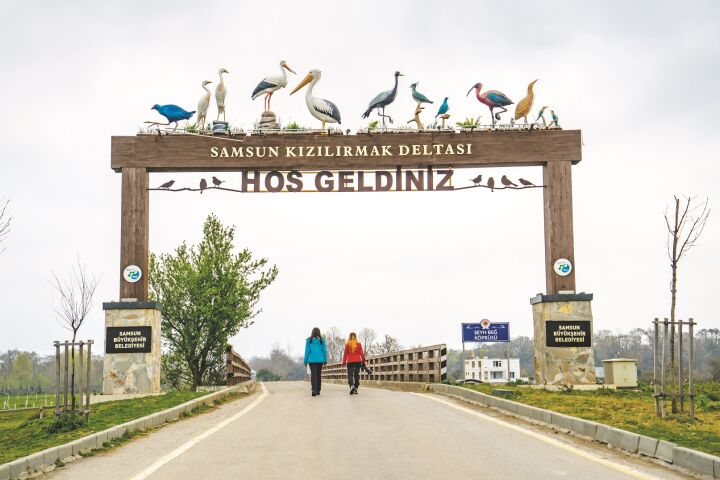
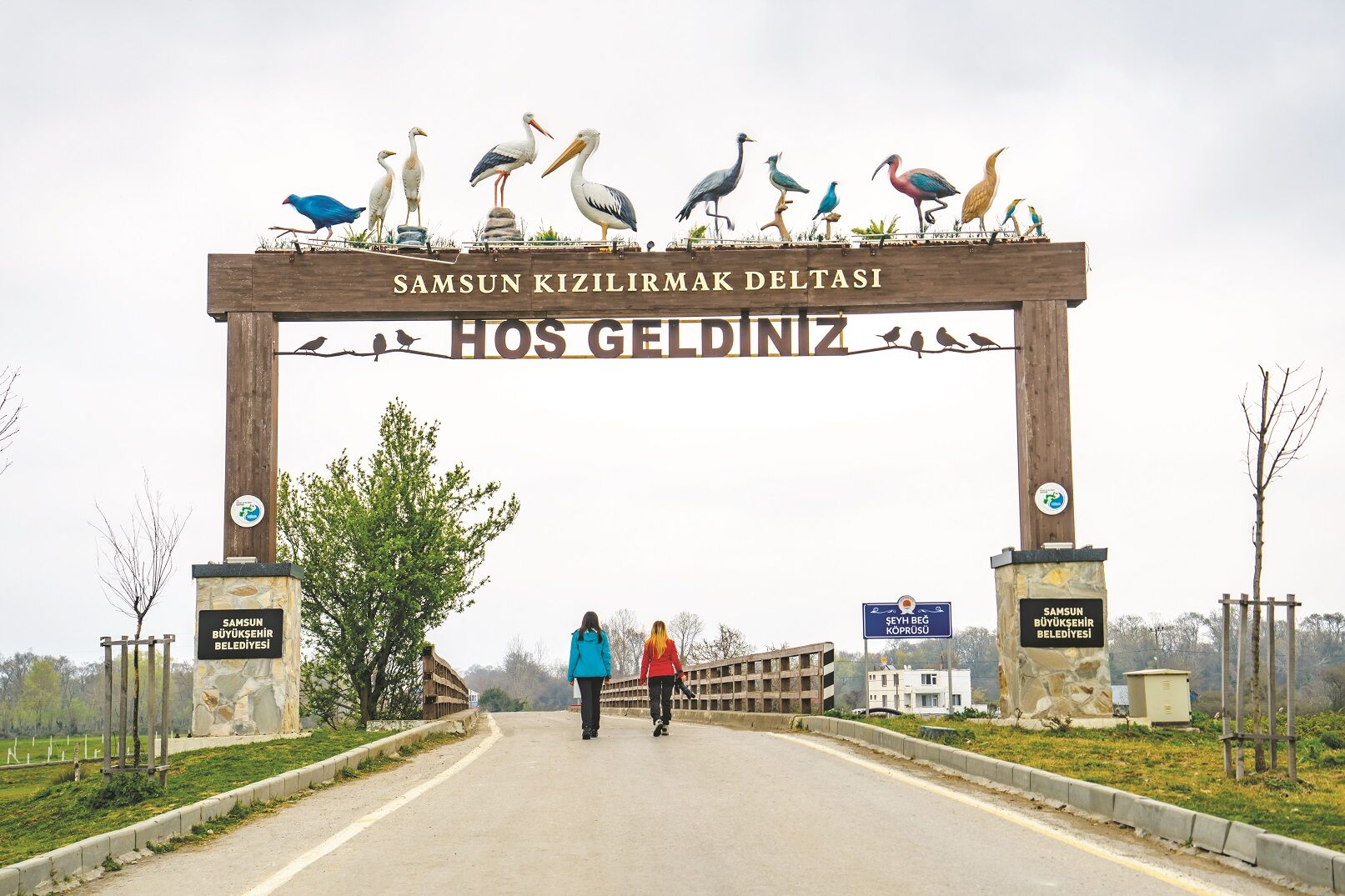
In Türkiye, research conducted by the Ondokuz Mayıs University Ornithology Research Center and environmental engineering teams at the Kızılırmak Delta Bird Sanctuary, one of the country's largest wetland ecosystems and a property included on UNESCO's World Heritage Tentative List, has produced important findings. These studies demonstrate that the Kızılırmak Delta functions as a highly sensitive early-warning ecosystem, clearly reflecting the impacts of global climate change through shifts in bird migration patterns, coastal erosion, and increasing salinization.
Natural heritage sites provide valuable opportunities for scientific research, environmental education, and public awareness while preserving exceptional natural landscapes. They also generate economic and cultural benefits by supporting nature-based tourism in surrounding regions. Conservation of natural heritage involves not only protecting ecosystems but also enabling local communities to maintain their traditional lifestyles, cultural heritage, and long-standing relationships with nature. Community-based participatory tourism approaches can contribute to safeguarding both natural and cultural values while ensuring their transmission to future generations.
UNESCO and its member states implement conservation measures to safeguard natural heritage sites, with the World Heritage Committee overseeing their protection. As of 2025, the World Heritage List includes 1,248 properties, of which 235 are inscribed as natural heritage sites. Prominent examples include Grand Canyon National Park (United States, inscribed in 1979), the Great Barrier Reef (Australia, 1981), and the Sichuan Giant Panda Sanctuaries—Wolong, Mount Siguniang, and Mount Jiajin (China, 2006). Although Türkiye does not yet have a property inscribed on the World Heritage List under the natural heritage category, the Kızılırmak Delta Bird Sanctuary in Samsun and the Tuz Gölü Special Nature Reserve, extending across the provinces of Ankara, Konya, and Aksaray, are among the country's significant natural areas included on UNESCO's World Heritage Tentative List.
References
Chen, G., Fu, B., Jiang, Y., Suo, X., Lai, Y., Chen, Z., Li, J., Li, L., Lu, M., Tang, Y., Guo, H., Yang, R. ve Li, B. (2024). Natural World Heritage sites are at risk from climate change globally, Communications Earth & Environment, 5(1): 1–8; Erciyas-Yavuz, K. ve Araştırma Ekibi (2023). Kızılırmak Deltası Cernek Kuş Halkalama Çalışmaları Raporu. Samsun: Ondokuz Mayıs Üniversitesi Ornitoloji Araştırma Merkezi. Erişim tarihi: 25.06.2026; Han, J. ve Wang, Y. (2023). Natural World Heritage conservation and tourism: A review, Heritage Science, 11(1): 1–15; Ondokuz Mayıs Üniversitesi Ornitoloji Araştırma Merkezi (t.y.). Ornitoloji Araştırma Merkezi. Erişim tarihi: 25.06.2026; Öztürk, D. ve Uzun, S. (2023). Kızılırmak Deltası kıyı çizgisinin EPR ve LRR yöntemleriyle 1984–2022 periyodunda değişim analizi ve 2030 yılı tahmini, Coğrafi Bilimler Dergisi, 21(2): 306–339; UNESCO Türkiye Millî Komisyonu (t.y.). Listeye Kaydediliş Tarihleriyle Türkiye’nin UNESCO Dünya Mirası Geçici Listesindeki Alanları. Erişim tarihi: 25.06.2026; World Heritage Convention (t.y.). Convention Concerning the Protection of the World Cultural and Natural Heritage. Erişim tarihi: 25.06.2026; World Heritage Convention (t.y.). Tentative List. Erişim tarihi: 25.06.2026; World Heritage Convention (t.y.). World Heritage List. Erişim tarihi: 25.06.2026.