Gelibolu (Gallipoli)
Cultural Tourism Heritage Tourism COUNTRIES AND TERRITORIES Türkiye
(Gelibolu, Çanakkale Province, Türkiye)
-
2026

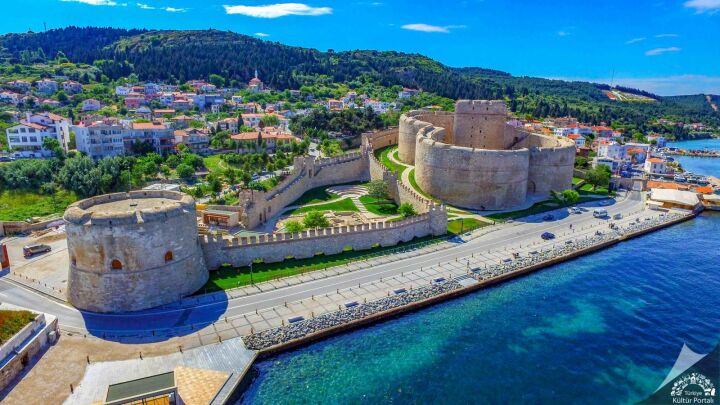
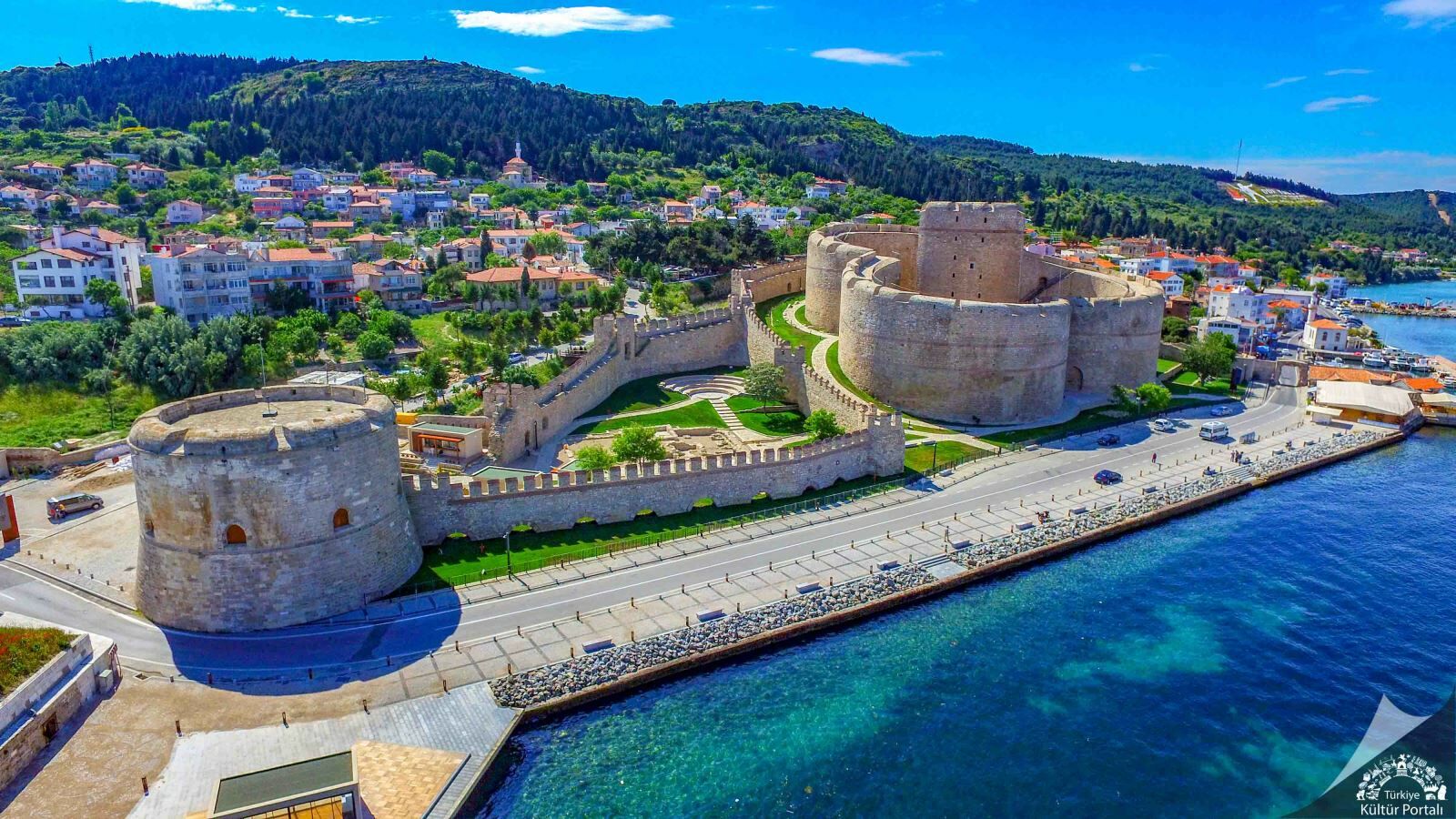
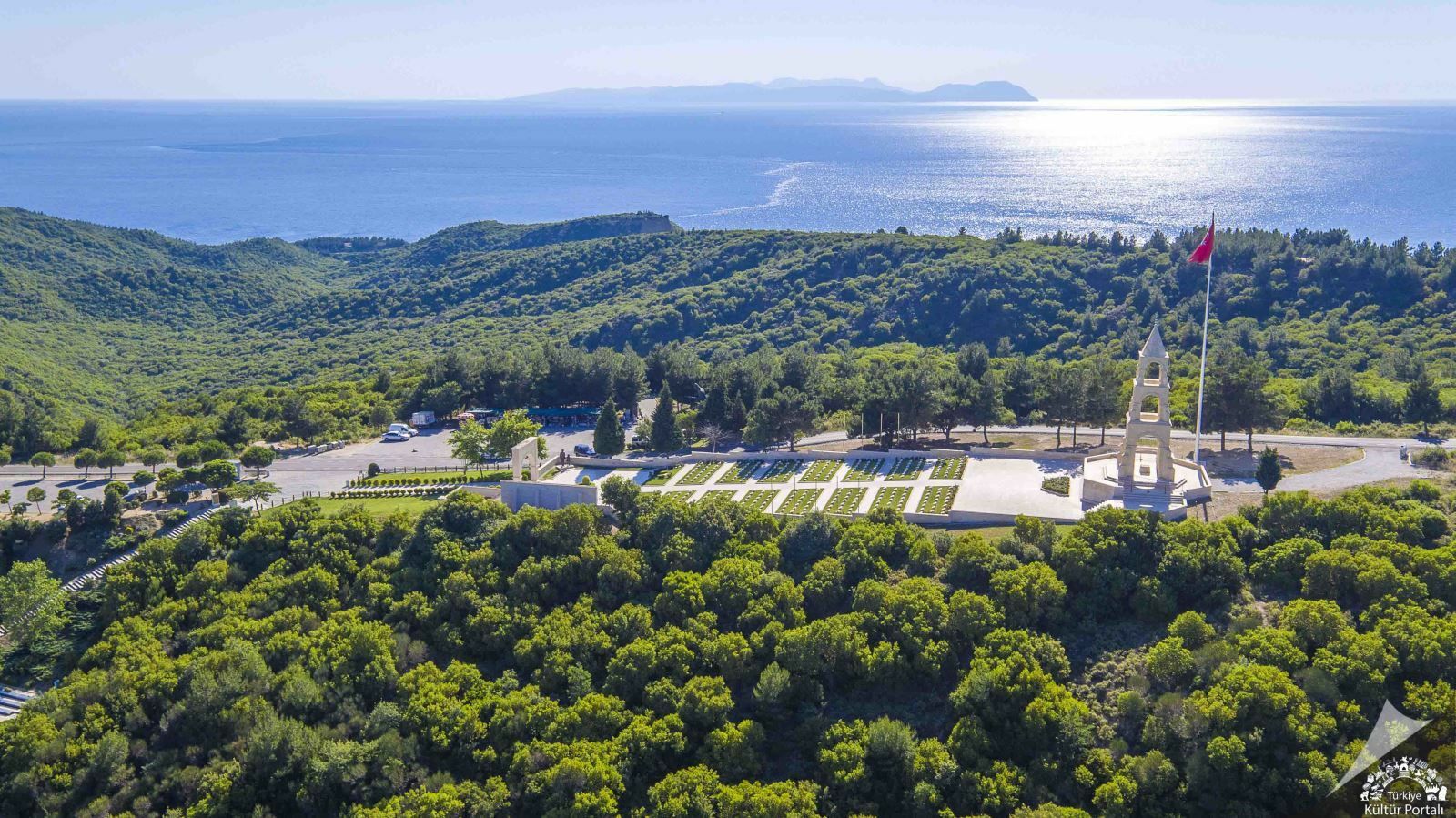
Gelibolu is a district of Çanakkale Province situated on the Gallipoli Peninsula in northwestern Türkiye. Located at the northeastern entrance to the Dardanelles Strait, the district occupies one of the most strategically significant positions linking the Aegean Sea with the Sea of Marmara and, through the Turkish Straits System, the Black Sea. Throughout history, this unique geographical location has established Gelibolu as an important military, commercial, and maritime centre connecting Europe and Asia (Gelibolu District Strategic Plan 2022–2026).
The district is bordered by the Dardanelles Strait to the east and the Saros Gulf to the west. To the north, it adjoins the Keşan District of Edirne Province, while Eceabat District forms its southern boundary. Covering approximately 820 km², Gelibolu consists of coastal plains and gently undulating hills that are characteristic of the Gallipoli Peninsula. The district possesses approximately 100 km of coastline, creating favourable conditions for maritime activities and coastal tourism (MEUCC, 2026). According to the 2023 population statistics, the district had a total population of 44,461 (Nüfusu, 2025).
The region experiences a transitional Mediterranean climate influenced by both the Aegean Sea and the Sea of Marmara. Summers are generally warm and dry, whereas winters are mild and relatively wet. Seasonal winds, particularly the prevailing northeasterlies, have historically affected navigation through the Dardanelles and continue to shape local climatic conditions. The surrounding landscape comprises agricultural land, forests, coastal cliffs, sandy beaches, and natural coves, all of which contribute significantly to the area's scenic value.
Several protected natural and cultural areas are located within or near the district. The internationally significant Gallipoli Peninsula Historical Site, established to preserve the battlefields of the First World War, represents one of Türkiye's most important protected cultural landscapes. In addition to its historical importance, the Saros Gulf coastline is recognised for its exceptionally clean waters, rich marine biodiversity, and favourable conditions for recreational diving and nature-based tourism.
The strategic importance of Gelibolu has attracted numerous civilizations since antiquity. Archaeological evidence indicates that human settlement in the area dates back at least to the twelfth century BCE. Over the centuries, the region successively came under the control of the Greeks, Persians, Macedonians, Romans, and Byzantines before becoming part of the Ottoman Empire in 1354. The conquest of Gelibolu by Süleyman Paşa marked the establishment of the first permanent Ottoman territory in Europe and initiated the city's transformation into one of the empire's principal naval bases. During the Ottoman period, Gelibolu served as the administrative centre of the Kapudan Pasha Province and developed into a major shipbuilding and maritime centre. In the twentieth century, the Gallipoli Campaign (1915–1916) further enhanced the district's international prominence, establishing it as one of the world's best-known battlefield landscapes. Today, Gelibolu preserves its rich historical identity while continuing to develop as a multifunctional tourism destination that combines cultural heritage, remembrance tourism, maritime history, and coastal recreation (Demirarslan, 2014, 2016, 2018; Gelibolu District Governorship, 2022–2026).
Main Tourism Products Offered by the Destination
Gelibolu is one of Türkiye's most diversified cultural heritage destinations, offering a rich combination of battlefield, cultural, maritime, religious, and coastal tourism products. The district's tourism identity has been shaped by its strategic geographical location, long historical continuity, and exceptionally well-preserved cultural landscape. Unlike many destinations that depend primarily on a single tourism resource, Gelibolu provides visitors with a wide range of complementary tourism experiences that encourage year-round visitation.
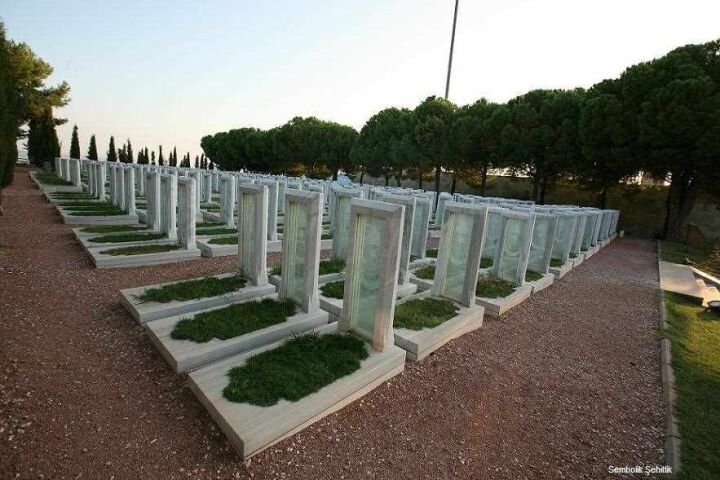
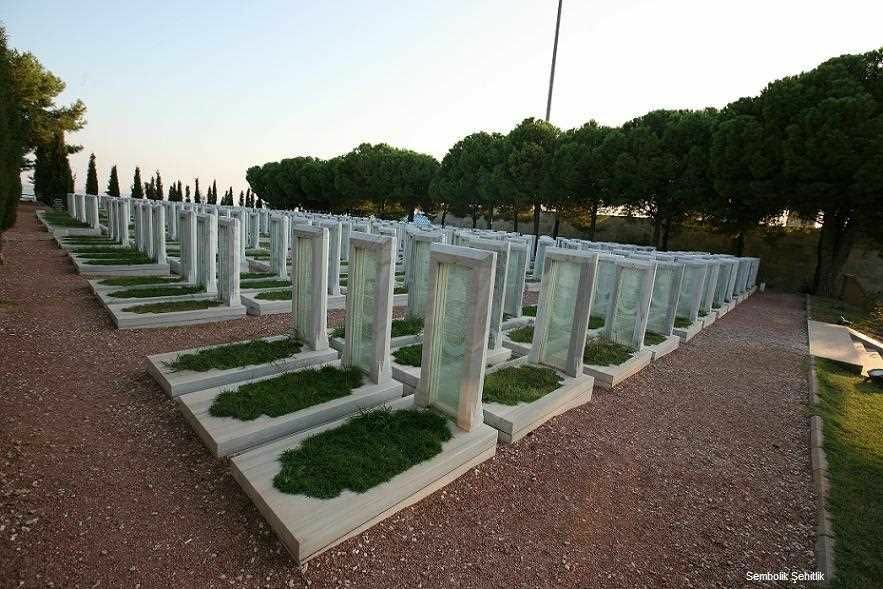
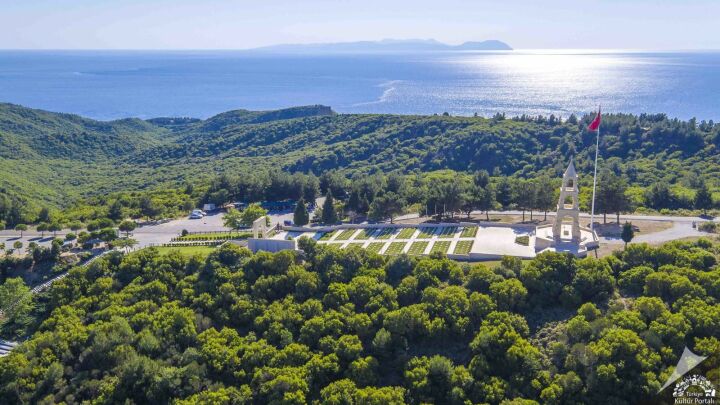
The district's principal tourism product is battlefield tourism. Its international reputation derives primarily from the Gallipoli Campaign (1915–1916), one of the most significant military campaigns of the First World War. The Gallipoli Peninsula Historical Site encompasses numerous battlefields, cemeteries, memorials, and preserved military structures commemorating the soldiers who fought during the campaign. The annual ANZAC Day commemorations, held on 25 April, attract thousands of visitors from Australia, New Zealand, the United Kingdom, and many other countries, establishing Gelibolu as one of the world's foremost destinations for remembrance tourism. Beyond its commemorative significance, the battlefield landscape also fulfils an important educational function by attracting historians, researchers, military academies, and university groups interested in military history, conflict archaeology, and heritage conservation.
Closely associated with battlefield tourism is cultural heritage tourism, which reflects more than six centuries of Ottoman urban development. Following its conquest in 1354, Gelibolu became the Ottoman Empire's first major administrative and naval centre in Europe. Numerous religious, civic, and military buildings constructed during the Ottoman period have survived and continue to define the city's historic character. Visitors can experience a remarkably well-preserved urban landscape where mosques, bathhouses, fountains, cemeteries, traditional streets, and historic neighbourhoods illustrate successive phases of Ottoman architectural and urban development (Demirarslan, 2018).
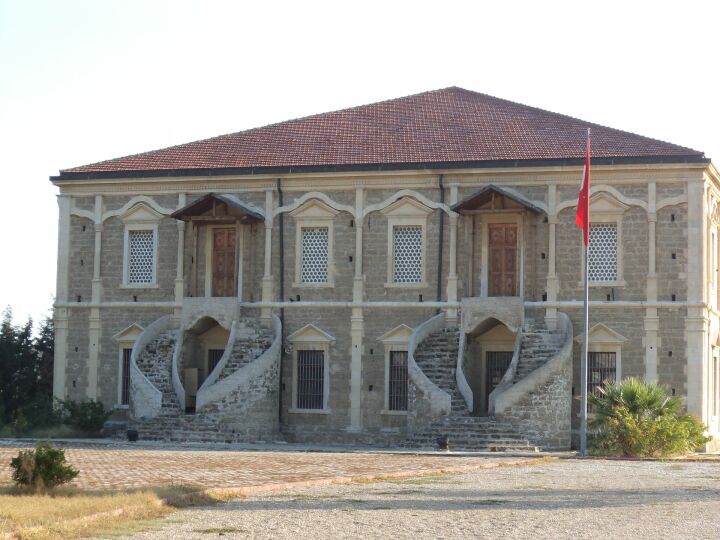
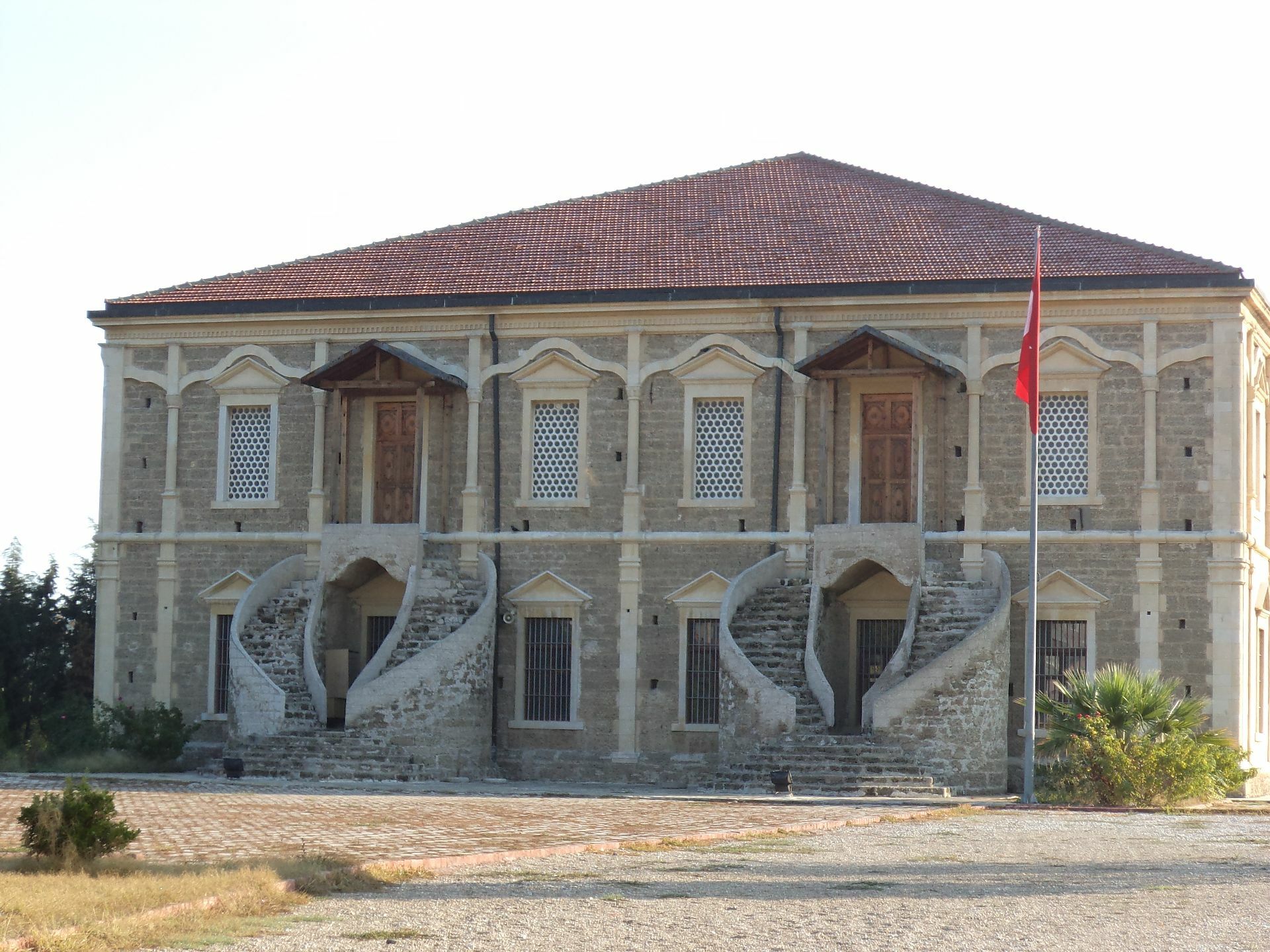
Among the district's most significant cultural attractions is the Gelibolu Mevlevihane, one of the largest surviving Mevlevi lodges in Anatolia. Established during the seventeenth century, the complex served for centuries as a centre of Mevlevi education, music, and religious life. Following extensive restoration, it now functions as both a museum and a cultural centre, hosting exhibitions, educational programmes, and traditional sema ceremonies. Today, the Mevlevihane ranks among Gelibolu's leading attractions for both domestic and international visitors interested in Ottoman culture and Sufi heritage (Demirarslan, 2014; Yazıcı, 2009).
Another distinctive tourism resource is the district's collection of historic namazgâhs (open-air prayer spaces). Unlike conventional mosque architecture, these structures were designed primarily for travellers and Ottoman sailors before embarking on military campaigns. The Azepler Namazgâhı, situated near the historic harbour, is one of the best-preserved examples of this architectural tradition and illustrates the close relationship between maritime activity and religious life during the Ottoman period (Demirarslan, 2016).
Gelibolu also occupies an exceptional position within Türkiye's maritime heritage tourism. As one of the earliest Ottoman naval bases, the city played a decisive role in the development of Ottoman naval power throughout the Mediterranean. This maritime identity is preserved through its historic docks, naval traditions, monuments, and museums. The Piri Reis Museum, dedicated to the renowned Ottoman admiral and cartographer, is among the district's most internationally significant cultural attractions. Through exhibitions featuring Pîrî Reis's world maps, navigational charts, and the Kitab-ı Bahriye, the museum introduces visitors to one of the most influential figures in the history of world cartography.
Maritime heritage is further represented by the Gelibolu Lighthouse, constructed during the nineteenth century to facilitate navigation through the Dardanelles. The lighthouse remains operational and has become one of the district's most recognisable landmarks. Together with the historic harbour and former naval facilities, it reinforces Gelibolu's image as one of Türkiye's most important maritime heritage destinations.
Main Tourism Products Offered by the Destination (Continued)
Religious tourism constitutes another major component of Gelibolu's tourism portfolio. The district is home to numerous historic mosques, mausoleums, cemeteries, and religious monuments representing different periods of Ottoman history. Among its principal religious attractions are the Gazi Süleyman Paşa Mosque, Yazıcızade Mosque, Sofuca Halil Paşa Mosque, and the tombs of Gazi Süleyman Paşa, Saruca Paşa, Yazıcızade Mehmed Efendi, and Bayraklı Baba. The Bayraklı Baba Tomb, one of the district's best-known pilgrimage sites, attracts both local residents and visitors throughout the year because of its historical and spiritual significance. Similarly, the Çilehane of Yazıcızade Mehmed Efendi, traditionally associated with the composition of the renowned religious work Muhammediye, has become an important destination for visitors interested in Ottoman religious scholarship, Sufism, and literary heritage (Demirarslan, 2016; Şimşek, 2007).
In addition to its rich historical assets, Gelibolu offers significant opportunities for coastal and marine tourism. Situated between the Dardanelles Strait and the Saros Gulf, the district possesses an extensive coastline characterised by beaches, natural coves, and clear waters. Popular recreational areas, including Hamzaköy, Güneyli, Kavak, Bolayır, and Yeniköy, attract large numbers of domestic visitors during the summer season. The Saros Gulf, renowned for its exceptionally clean marine environment and rich biodiversity, provides favourable conditions for recreational diving, sailing, sea kayaking, and a variety of other marine-based activities, thereby diversifying the district's tourism offerings beyond its cultural heritage resources.
These complementary tourism products distinguish Gelibolu from many other battlefield destinations worldwide. Rather than relying exclusively on its First World War heritage, the district successfully integrates military history, Ottoman architecture, maritime traditions, religious monuments, and coastal landscapes into a comprehensive tourism experience. This diversity not only enhances visitor satisfaction but also broadens the destination's market appeal and supports the sustainable development of tourism throughout the year.
Religious tourism constitutes another major component of Gelibolu’s tourism portfolio. The district is home to numerous historic mosques, mausoleums, cemeteries, and religious monuments representing different periods of Ottoman history. Among its principal religious attractions are the Gazi Süleyman Paşa Mosque, Yazıcızade Mosque, Sofuca Halil Paşa Mosque, and the tombs of Gazi Süleyman Paşa, Saruca Paşa, Yazıcızade Mehmed Efendi, and Bayraklı Baba. The Bayraklı Baba Tomb, one of the district’s best-known pilgrimage sites, attracts both local residents and visitors throughout the year because of its historical and spiritual significance. Similarly, the Çilehane of Yazıcızade Mehmed Efendi, traditionally associated with the composition of the renowned religious work Muhammediye, has become an important destination for visitors interested in Ottoman religious scholarship, Sufism, and literary heritage (Demirarslan, 2016; Şimşek, 2007).
In addition to its rich historical assets, Gelibolu offers significant opportunities for coastal and marine tourism. Situated between the Dardanelles Strait and the Saros Gulf, the district possesses an extensive coastline characterized by beaches, natural coves, and exceptionally clear waters. Popular recreational areas, including Hamzaköy, Güneyli, Kavak, Bolayır, and Yeniköy, attract large numbers of domestic visitors during the summer season. The Saros Gulf, renowned for its exceptionally clean marine environment and rich biodiversity, provides favourable conditions for recreational diving, sailing, sea kayaking, and various other marine-based activities, thereby diversifying the district’s tourism offerings beyond its cultural heritage resources.
These complementary tourism products distinguish Gelibolu from many other battlefield destinations worldwide. Rather than relying exclusively on its First World War heritage, the district successfully integrates military history, Ottoman architecture, maritime traditions, religious heritage, and coastal landscapes into a comprehensive tourism experience. This diversity not only enhances visitor satisfaction but also broadens the destination’s market appeal and supports the sustainable development of tourism throughout the year.
Secondary Tourism Products and Supporting Attractions
In addition to its principal tourism attractions, Gelibolu offers a wide range of complementary tourism products that enrich the visitor experience and contribute to the diversification of the destination. These include gastronomy, traditional handicrafts, festivals and commemorative events, natural landscapes, recreational activities, and local cultural heritage.
Gastronomy tourism represents one of the district’s most distinctive complementary tourism products. Owing to its strategic location between the Dardanelles Strait and the Saros Gulf, seafood occupies an important place in the local cuisine. Fresh fish, sardines, bluefish, sea bass, and mussels are among the region’s most popular culinary products. Olive oil, locally produced cheeses, grapes, and traditional desserts also constitute significant elements of Gelibolu’s gastronomic identity. Restaurants located along the waterfront provide visitors with opportunities to experience both local cuisine and the district’s maritime atmosphere.
Cultural events and commemorative ceremonies further enhance the tourism appeal of Gelibolu. Every year, particularly in March and April, the district hosts national and international commemorative ceremonies dedicated to the Gallipoli Campaign. These events attract thousands of visitors, veterans’ families, government representatives, researchers, and students from Türkiye and abroad. The ANZAC Day commemorations, held annually on 25 April, represent one of the largest international remembrance events organised in Türkiye.
The district also offers opportunities for nature-based and recreational tourism. Coastal landscapes, forested areas, picnic sites, walking trails, and cycling routes provide attractive recreational opportunities for both residents and visitors. The Saros Gulf has become an increasingly popular destination for scuba diving, sailing, windsurfing, and other marine recreation activities because of its exceptionally clean waters and rich underwater biodiversity.
Traditional shopping opportunities also contribute to the tourism experience. Visitors can purchase locally produced olive oil, handmade souvenirs, regional food products, and various handicrafts reflecting the cultural identity of the district. Local markets and small family-owned businesses play an important role in sustaining traditional production and supporting the local economy.
Together, these complementary tourism products strengthen Gelibolu’s overall tourism competitiveness by extending visitor stay, diversifying tourism demand, and reducing the destination’s dependence on a single tourism product. Consequently, they play an important role in supporting sustainable tourism development while enhancing the overall quality of the visitor experience.
Tourism Infrastructure and Accessibility
Gelibolu possesses a well-developed tourism infrastructure that supports both domestic and international visitation. Its strategic location on the European side of the Dardanelles Strait provides convenient access by road, sea, and air. The district is connected to major cities, including İstanbul, Tekirdağ, Edirne, and Çanakkale, via an extensive highway network. Regular ferry services operating across the Dardanelles ensure continuous transportation between Gelibolu and the Asian side of Türkiye, thereby facilitating access to the Gallipoli Peninsula and surrounding destinations.
The opening of the 1915 Çanakkale Bridge has further improved regional accessibility by significantly reducing travel times between Europe and Asia. This major transportation investment has strengthened Gelibolu's position within the regional tourism network and has increased its accessibility for both domestic and international visitors.
Accommodation facilities in Gelibolu include hotels, boutique hotels, guesthouses, pensions, apartments, and camping areas that cater to a wide variety of visitor preferences and budgets. Although the district does not possess the large-scale accommodation capacity found in Türkiye's major coastal destinations, its existing facilities are generally sufficient to meet demand throughout most of the year. During peak commemorative periods, particularly the ANZAC ceremonies held in April, accommodation demand increases substantially, often resulting in full occupancy.
Food and beverage services are well developed throughout the district. Numerous restaurants, cafés, seafood establishments, and traditional local eateries serve both residents and visitors. Tourism-related services are further supported by travel agencies, licensed tourist guides, visitor information centres, museums, souvenir shops, and various public institutions that contribute to destination management and visitor services.
Public infrastructure also plays an important role in supporting tourism activities. Urban transportation, parking facilities, pedestrian routes, public parks, waterfront promenades, healthcare services, security, banking facilities, and communication infrastructure collectively enhance visitor comfort and satisfaction. In recent years, improvements to public spaces, landscaping projects, and heritage conservation initiatives have further strengthened Gelibolu's tourism infrastructure.
Overall, the district's transportation network, accommodation facilities, visitor services, and public infrastructure provide a solid foundation for sustainable tourism development. Continued investment in infrastructure, heritage conservation, digital visitor services, and destination management is expected to further enhance Gelibolu's competitiveness as one of Türkiye's leading cultural and heritage tourism destinations.
Visitor Profile and Tourism Demand
Gelibolu attracts a diverse visitor profile throughout the year, reflecting the variety of tourism products available within the destination. The district receives both domestic and international visitors whose travel motivations differ according to season, purpose of travel, and personal interests. Historical and cultural heritage, battlefield tourism, religious tourism, coastal recreation, and commemorative events collectively shape the overall demand structure.
Domestic tourists constitute the largest proportion of visitors. Most domestic travel is associated with visits to the Gallipoli battlefields, participation in national commemorative ceremonies, cultural sightseeing, family holidays, and short recreational trips. School groups, university students, military personnel, veterans' associations, researchers, and organised tour groups represent important segments of domestic demand. Religious visitors also contribute to tourism through visits to the district's historic mosques, mausoleums, and other sacred sites.
International visitors primarily originate from Australia, New Zealand, the United Kingdom, France, Germany, and several other European countries. For many of these visitors, the Gallipoli Campaign represents an important element of their national historical memory. Consequently, ANZAC Day ceremonies, held annually on 25 April, attract thousands of visitors, particularly from Australia and New Zealand. During this period, international demand reaches its annual peak.
Visitor demand also exhibits clear seasonal characteristics. While cultural and battlefield tourism continues throughout the year, coastal recreation and marine tourism become more prominent during the summer months. Spring, particularly March and April, represents another peak period because of the intensive programme of national and international commemorative events. As a result, tourism demand is distributed across several seasons rather than being concentrated exclusively during the summer.
The average length of stay varies according to visitors' travel purposes. Many domestic excursionists visit the district on day trips, whereas international visitors generally remain longer because they combine Gelibolu with visits to other destinations in the Çanakkale region or broader itineraries across Türkiye. Consequently, extending visitor stays through product diversification remains one of the principal objectives of destination development strategies.
Overall, Gelibolu's diverse visitor profile enhances the destination's resilience by reducing its dependence on a single market segment. The coexistence of heritage tourism, remembrance tourism, religious tourism, coastal tourism, and recreational activities contributes to a balanced demand structure that supports the sustainable development of the local tourism economy.
Tourism Development, Challenges, and Sustainability
Although Gelibolu possesses outstanding historical, cultural, religious, and natural tourism resources, several challenges continue to affect the sustainable development of the destination. One of the principal issues is the concentration of visitor demand during specific commemorative periods, particularly the ANZAC Day ceremonies held each April. This seasonal concentration creates fluctuations in accommodation occupancy, visitor services, transportation capacity, and local business revenues.
Another important challenge concerns the conservation and management of the district's rich cultural heritage. Battlefield landscapes, historic monuments, cemeteries, religious structures, and archaeological remains require continuous preservation, maintenance, and professional management. Increasing visitor numbers inevitably place additional pressure on these fragile heritage resources, making effective conservation policies essential for ensuring their long-term protection.
Balancing heritage conservation with tourism development also presents a significant management challenge. While tourism generates substantial economic benefits for the local community, excessive commercialization and uncontrolled visitor flows may threaten the authenticity and integrity of cultural landscapes. Consequently, destination planning should adopt sustainable tourism principles that prioritize heritage conservation alongside economic development.
Environmental sustainability has likewise become an increasingly important consideration. The protection of the Saros Gulf, coastal ecosystems, forests, wetlands, and biodiversity requires comprehensive environmental management strategies. Sustainable waste management, responsible tourism practices, environmentally friendly transportation, and public awareness programmes contribute to preserving the district's natural assets while maintaining tourism quality.
Diversification of tourism products represents another strategic priority. Although Gallipoli's international reputation is primarily associated with battlefield tourism, greater emphasis on gastronomy, nature-based tourism, marine recreation, religious tourism, cycling, hiking, cultural festivals, and local traditions could help distribute visitor demand more evenly throughout the year. Such diversification would strengthen the local economy while reducing seasonal fluctuations.
Community participation is also essential for sustainable destination management. The active involvement of local residents, public institutions, tourism businesses, non-governmental organizations, and universities enhances both the effectiveness and long-term sustainability of tourism planning. Protecting local identity while improving residents' quality of life should remain a central objective of future tourism policies.
Overall, Gelibolu possesses considerable potential for sustainable tourism development. Its unique combination of battlefield heritage, Ottoman cultural assets, religious monuments, coastal landscapes, and living traditions provides a strong foundation for a diversified tourism economy. Continued investment in heritage conservation, environmental protection, visitor management, digital interpretation, and community-based tourism initiatives will further strengthen Gelibolu's position as one of Türkiye's leading cultural and heritage tourism destinations.
Conclusion
Gelibolu represents one of Türkiye's most significant cultural and historical tourism destinations, owing to its unique combination of battlefield heritage, Ottoman monuments, religious sites, natural landscapes, and maritime resources. Throughout its long history, the district has served as an important strategic, military, commercial, and cultural centre connecting Europe and Asia via the Dardanelles Strait. Today, this rich historical legacy constitutes the foundation of its tourism identity.
The Gallipoli Campaign remains the destination's most internationally recognised tourism resource, attracting thousands of visitors from around the world each year. However, Gelibolu's tourism appeal extends well beyond battlefield tourism. Its historic mosques, mausoleums, museums, traditional urban fabric, coastal landscapes, gastronomy, religious heritage, and recreational opportunities collectively create a diversified tourism portfolio capable of appealing to a broad range of visitor interests.
The coexistence of cultural tourism, remembrance tourism, religious tourism, coastal tourism, nature-based tourism, and gastronomy tourism provides considerable opportunities for extending visitor stays and reducing seasonal fluctuations. This diversified tourism structure contributes not only to the local economy but also to the preservation of the district's cultural identity and historical continuity.
Future tourism development should continue to prioritise sustainable destination management through the conservation of cultural and natural heritage, environmental protection, visitor management, digital interpretation, infrastructure improvement, and community participation. Strengthening cooperation among public institutions, local communities, universities, tourism businesses, and non-governmental organisations will be essential for ensuring the long-term sustainability of the destination.
In conclusion, Gelibolu possesses exceptional tourism potential based on its outstanding historical significance, rich cultural heritage, strategic geographical location, and diverse tourism resources. With appropriate planning, sustainable management, and continued investment in heritage conservation and tourism infrastructure, the district is well positioned to strengthen its role as one of Türkiye's leading cultural and heritage tourism destinations while contributing to regional development and international tourism.
References
Demirarslan, D. (2014). Mekân tasarım özellikleri açısından Gelibolu Mevlevihanesi. Türk Kültürü ve Hacı Bektaş Veli Araştırma Dergisi, 72, 43–57; Demirarslan, D. (2016). Din ve tasavvuf kültüründe çilehane kavramı ve mekân özellikleri açısından Gelibolu Çilehanesi. Türk Kültürü ve Hacı Bektaş Veli Araştırma Dergisi, 77, 175–196; Demirarslan, D. (2018). Kentsel ve kültürel bellek bağlamında tarihi bir şehir ve yakın çevresi: Gelibolu. International Journal of Social and Humanities Sciences Research, 5(22), 910–932; Gelibolu District Governorship. (2022). Gelibolu ilçesi stratejik planı (2022–2026). https://www.gelibolu.gov.tr/kurumlar/gelibolu.gov.tr/GELIBOLU-ILCESI-STRATEJIK-PLANI-_2022_2026_.pdf; Ministry of Environment, Urbanization and Climate Change. (2026). Geography. Çanakkale Provincial Directorate of Environment, Urbanization and Climate Change. https://canakkale.csb.gov.tr/cografyasi-5389; Nufusu.com. (2025). Gelibolu nüfusu – Çanakkale. https://www.nufusu.com/ilce/gelibolu_canakkale-nufusu; South Marmara Development Agency. (2018). Çanakkale tourism investment guide. https://www.gmka.gov.tr/dokumanlar/yayinlar/Canakkale-Turizm-Yatirim-Rehberi.pdf; South Marmara Development Agency. (2025). Gelibolu central creative tourism concept plan report. https://www.gmka.gov.tr/dokumanlar/yayinlar/gelibolu-merkezi-yaratici-turizm-konsept-plan-raporu-2025.pdf; Şimşek, S. (2007). Avrupa ile Asya arasında önemli bir geçiş noktası Gelibolu'da tarîkatlar ve tekkeler. Türkiyat Araştırmaları Dergisi, 22, 251–310; Yazıcı, G. E. (2009). Gelibolu Mevlevihanesi ve Gelibolu'da Mevlevilik. Çanakkale Kitaplığı.
See Also:
Map