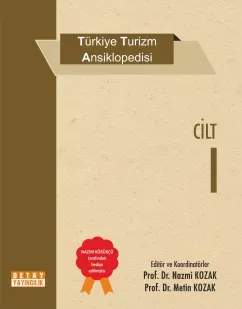
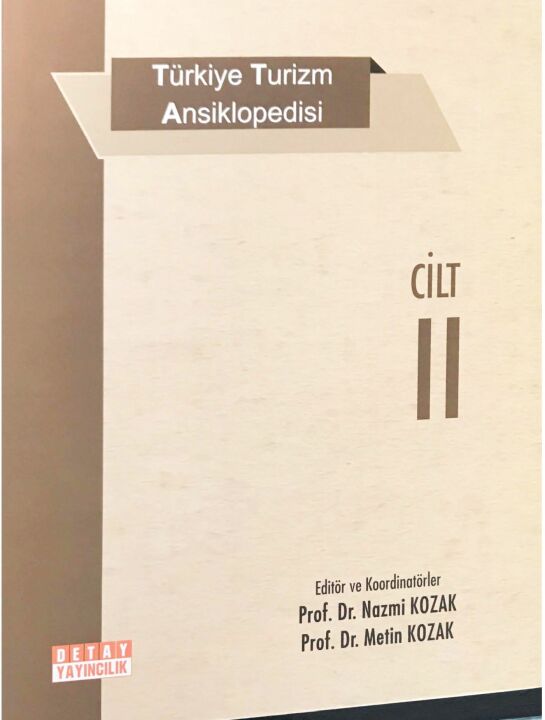
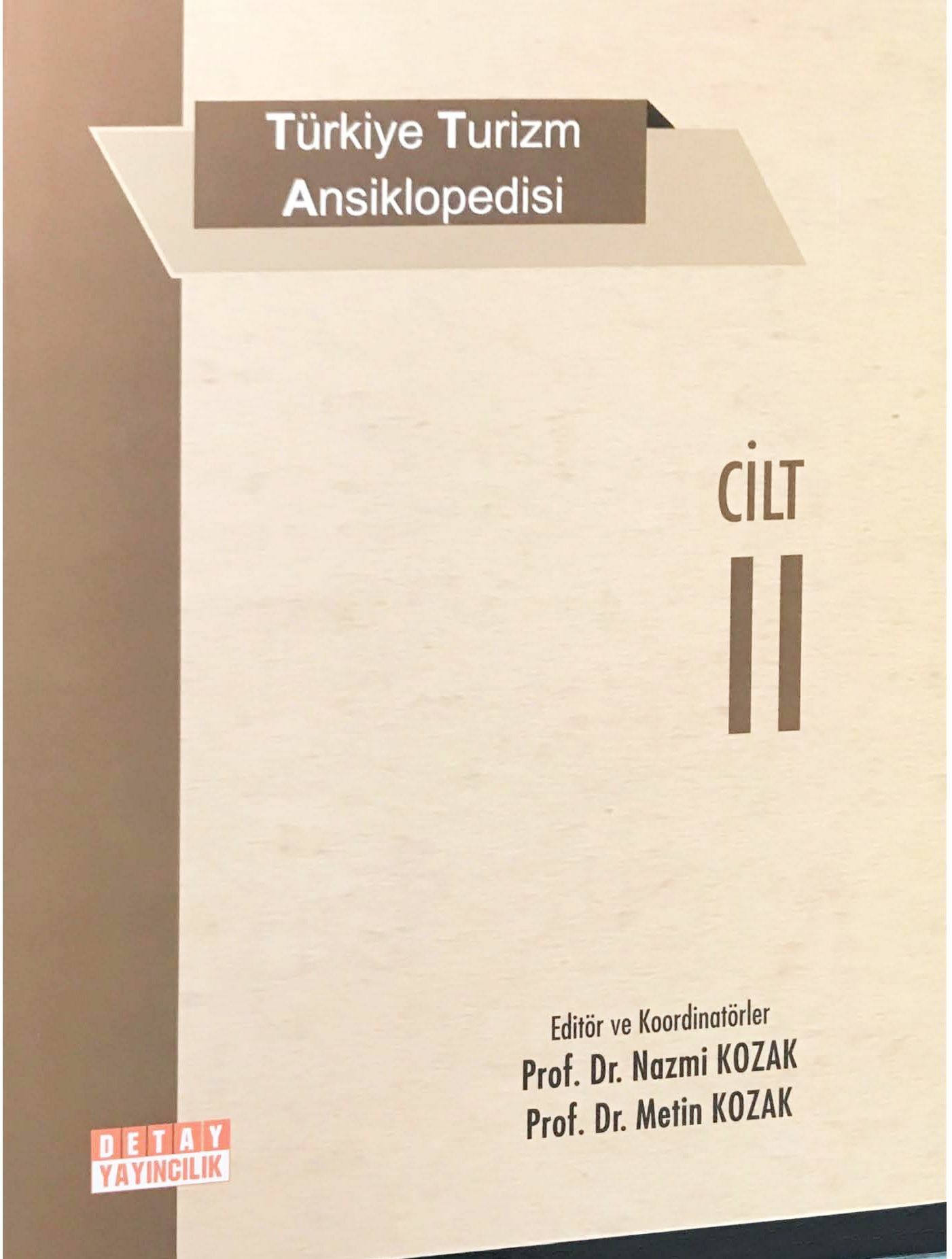
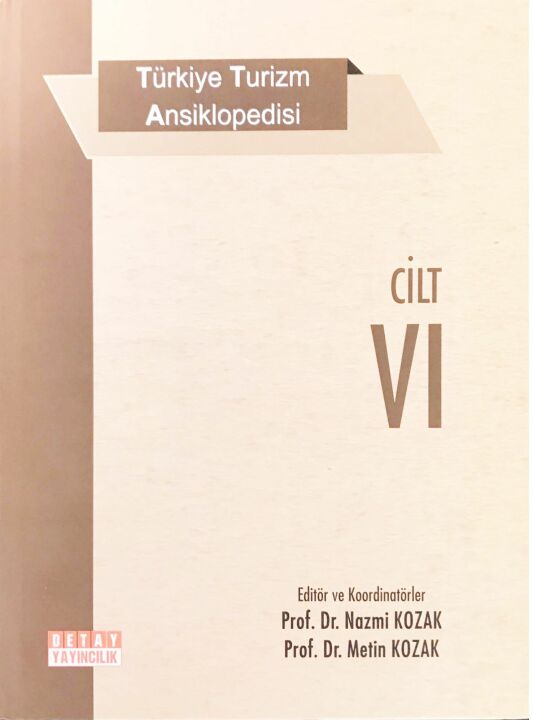
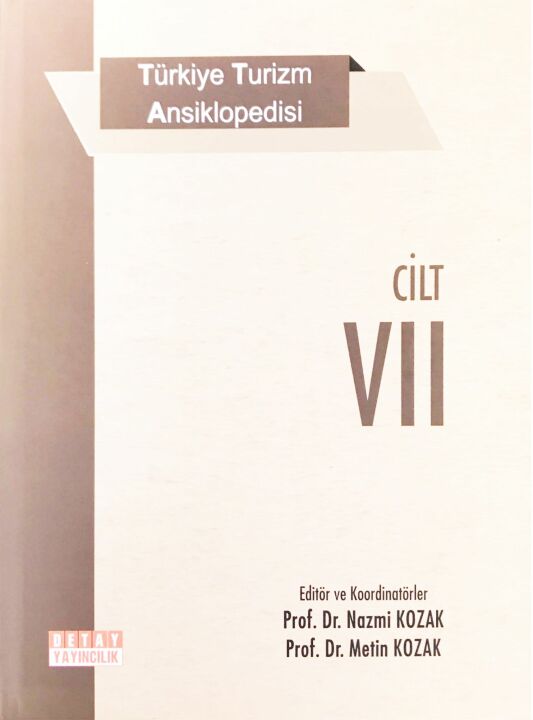
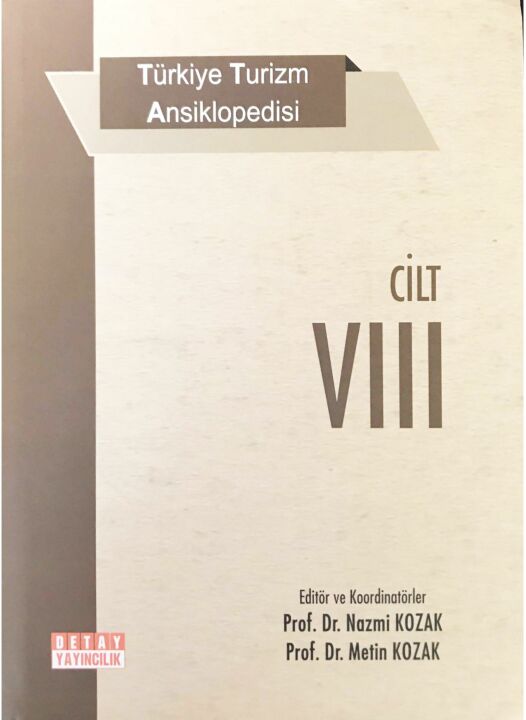
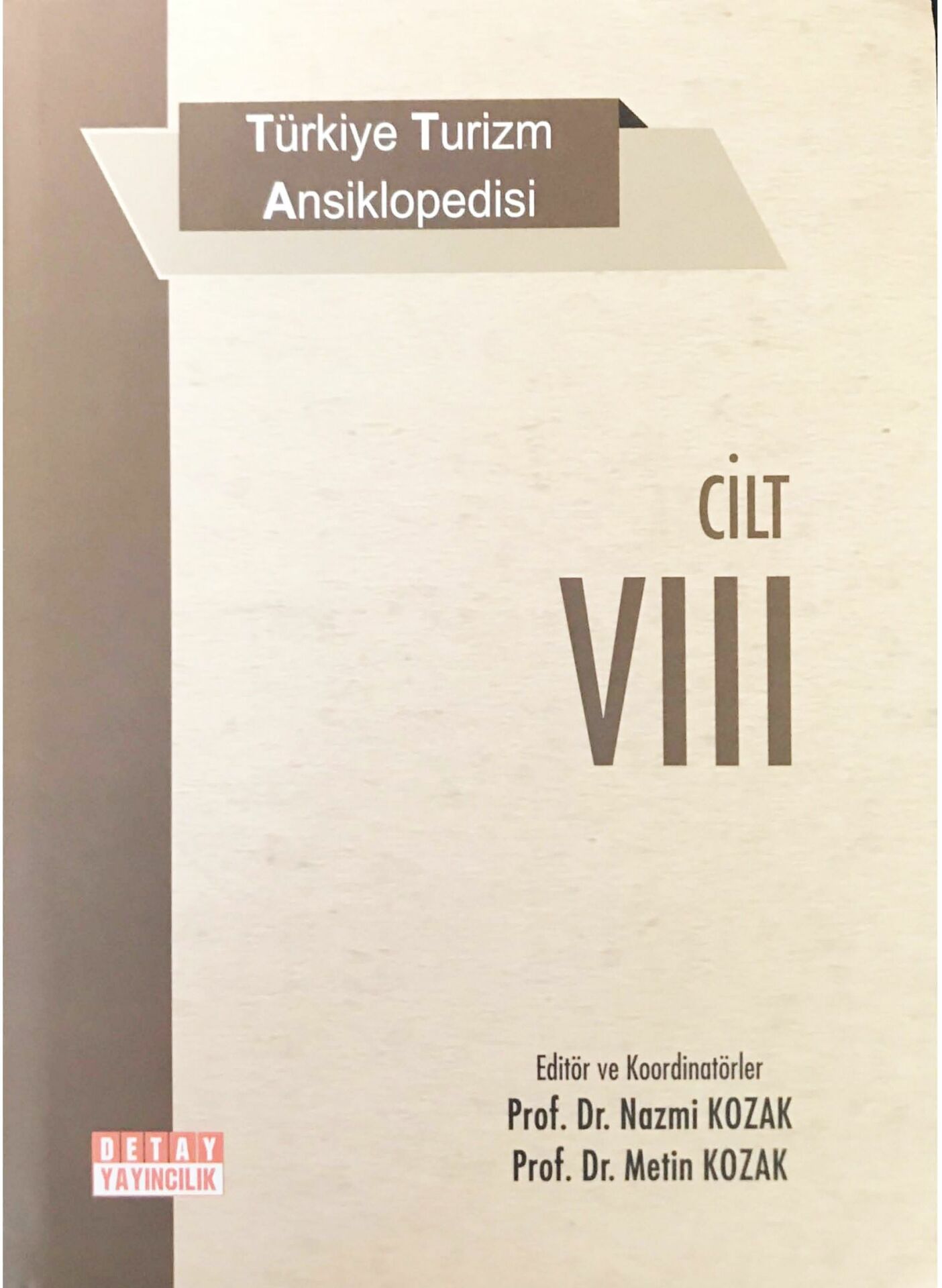
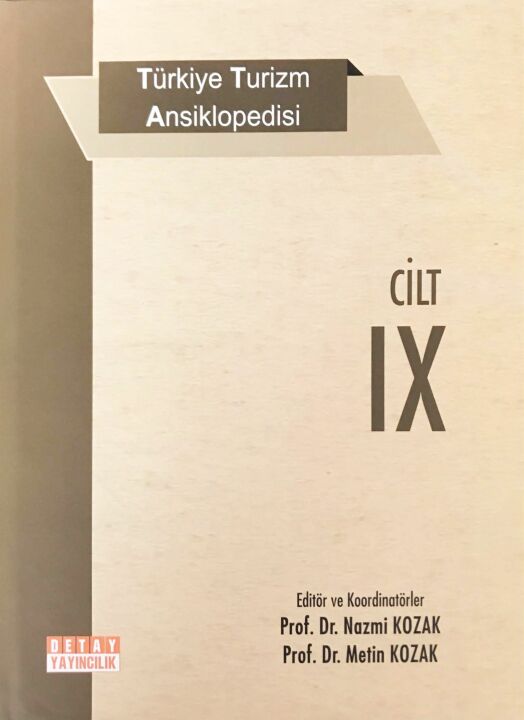
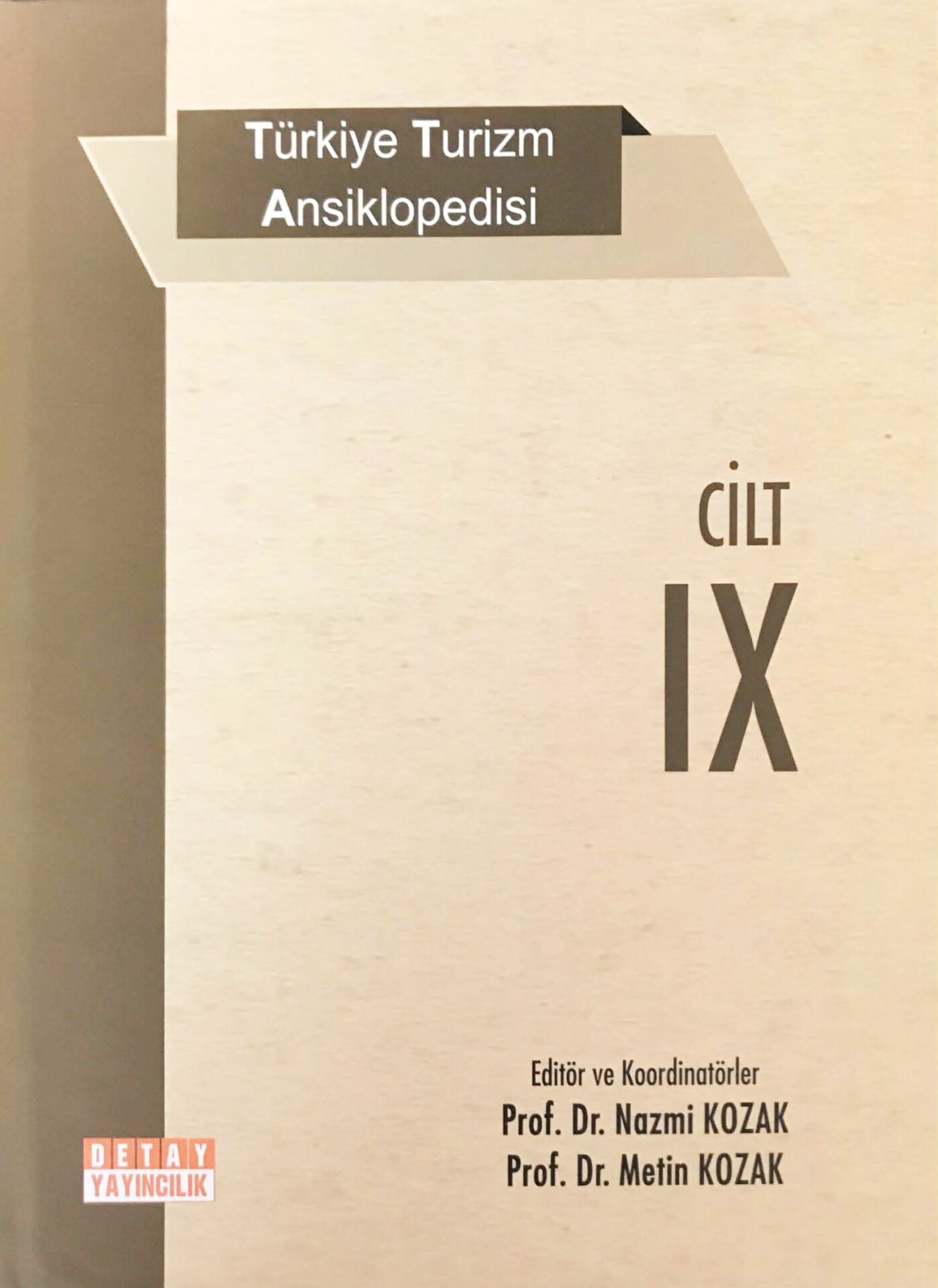
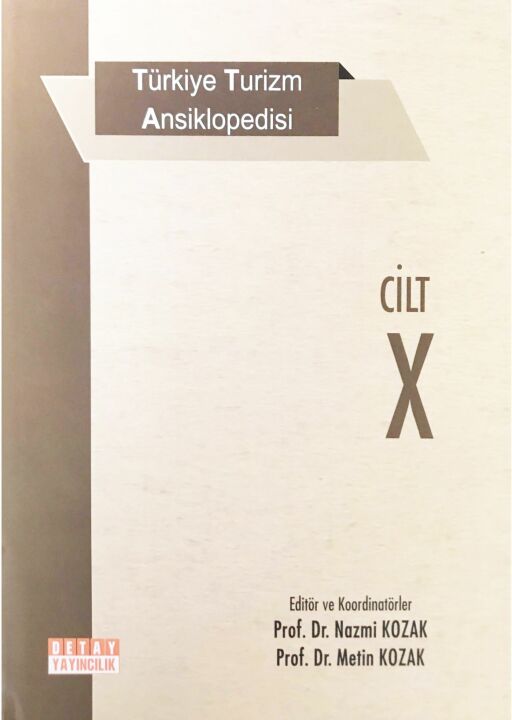
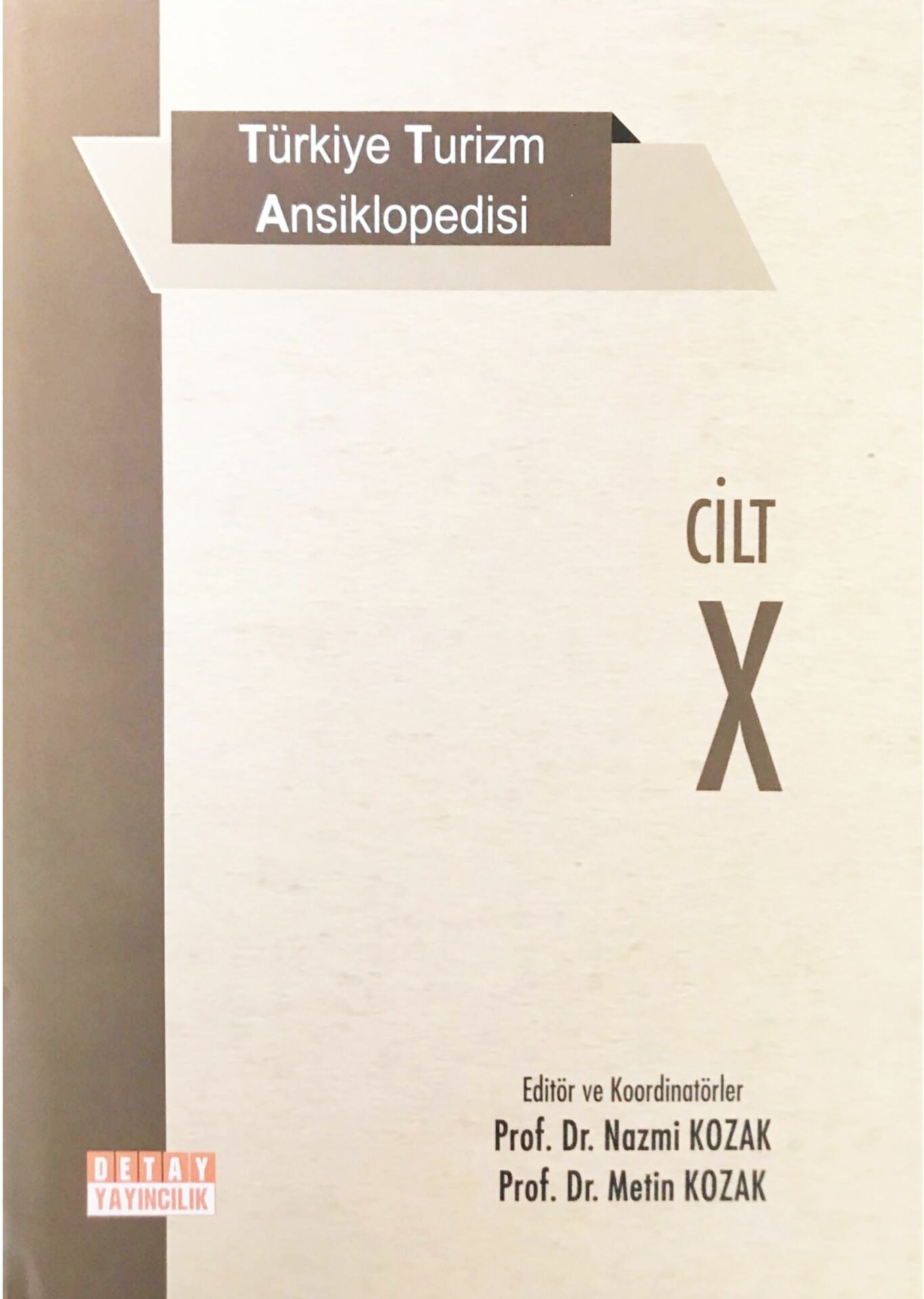
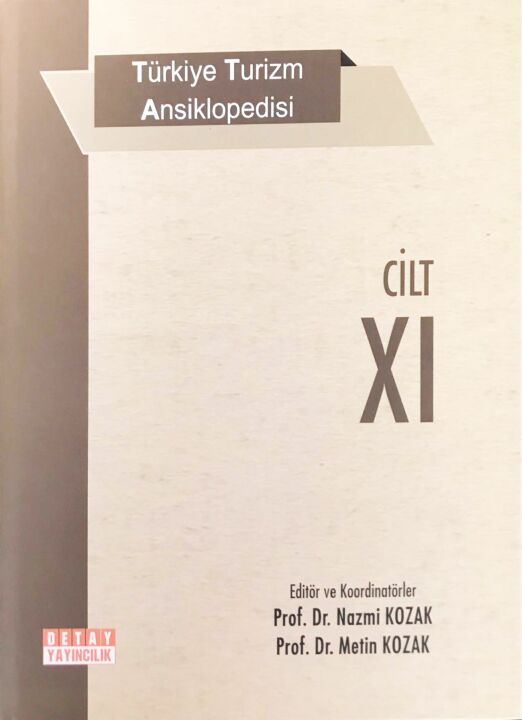
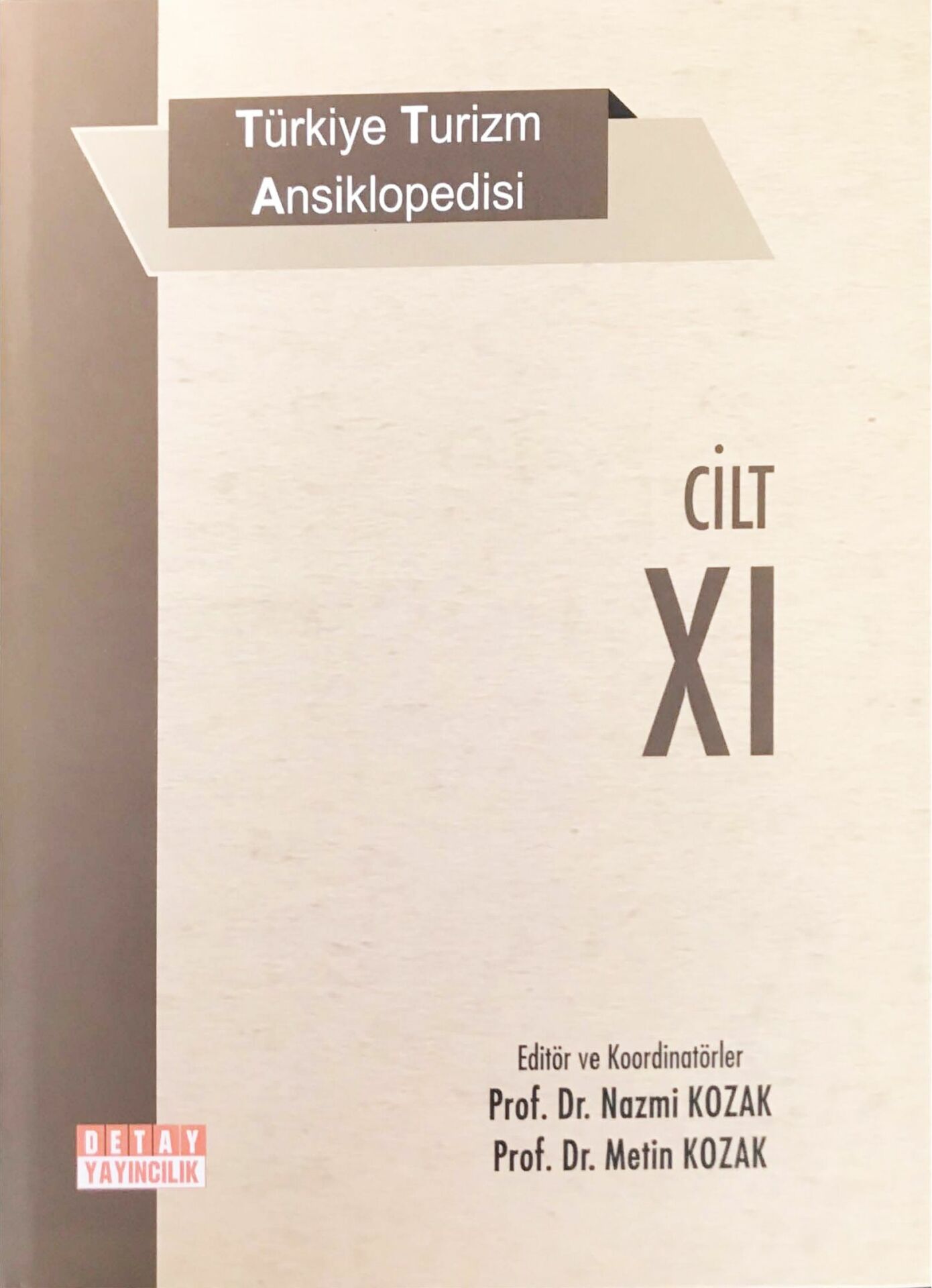
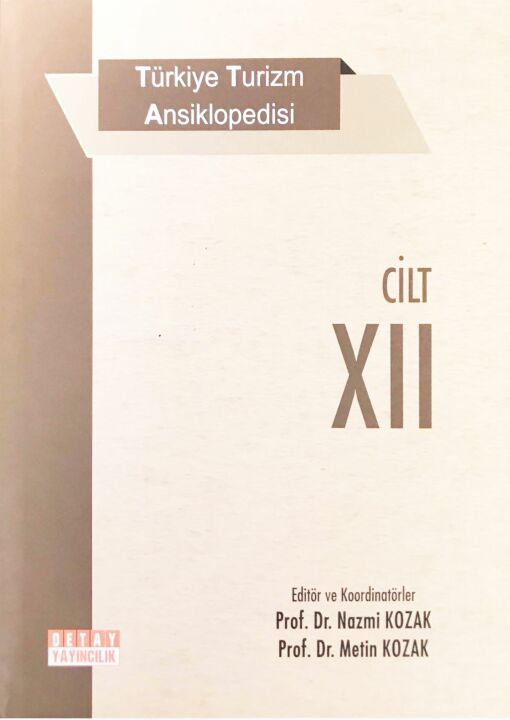
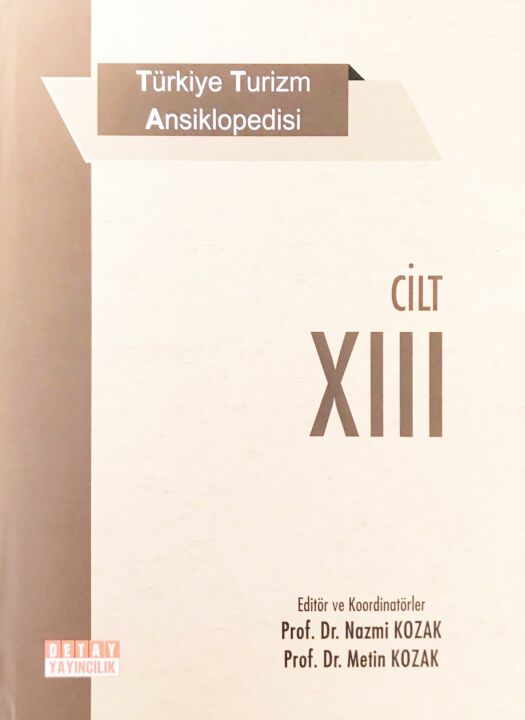
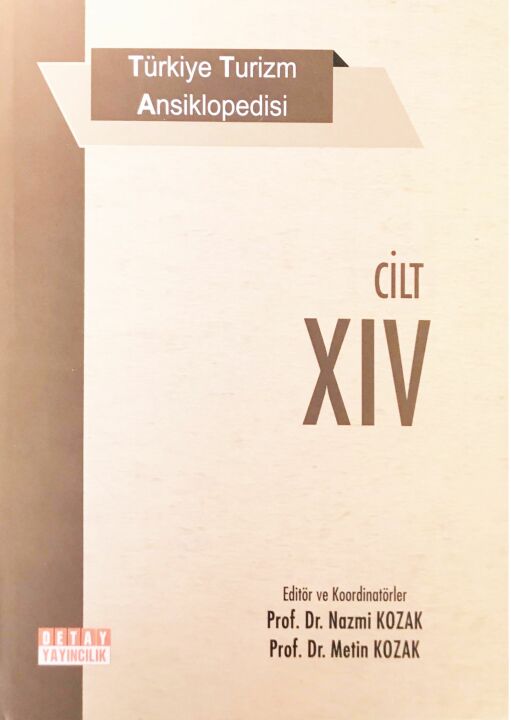
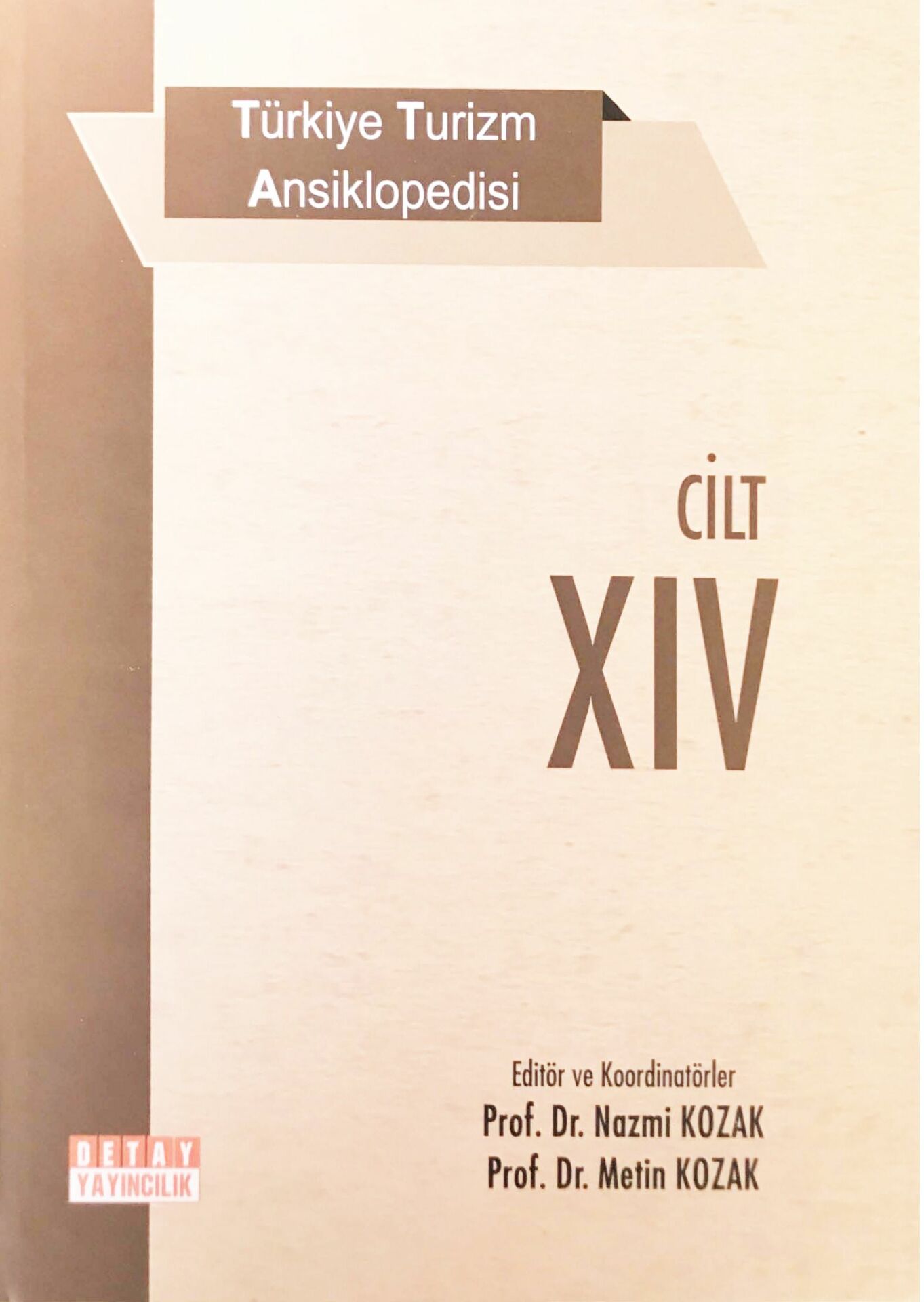
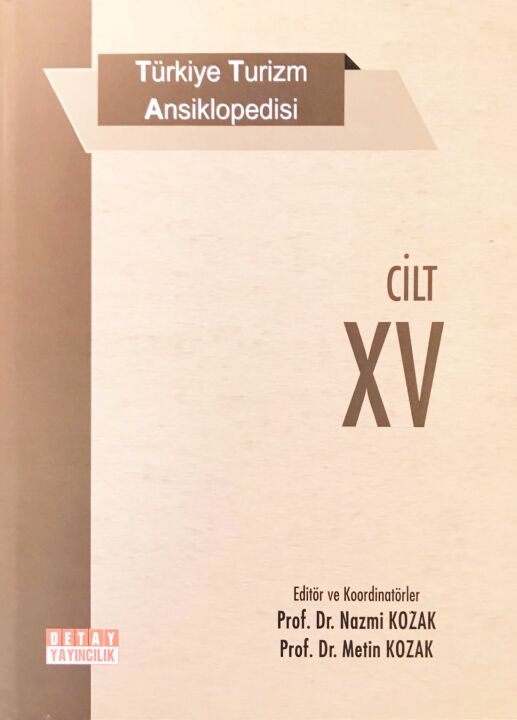
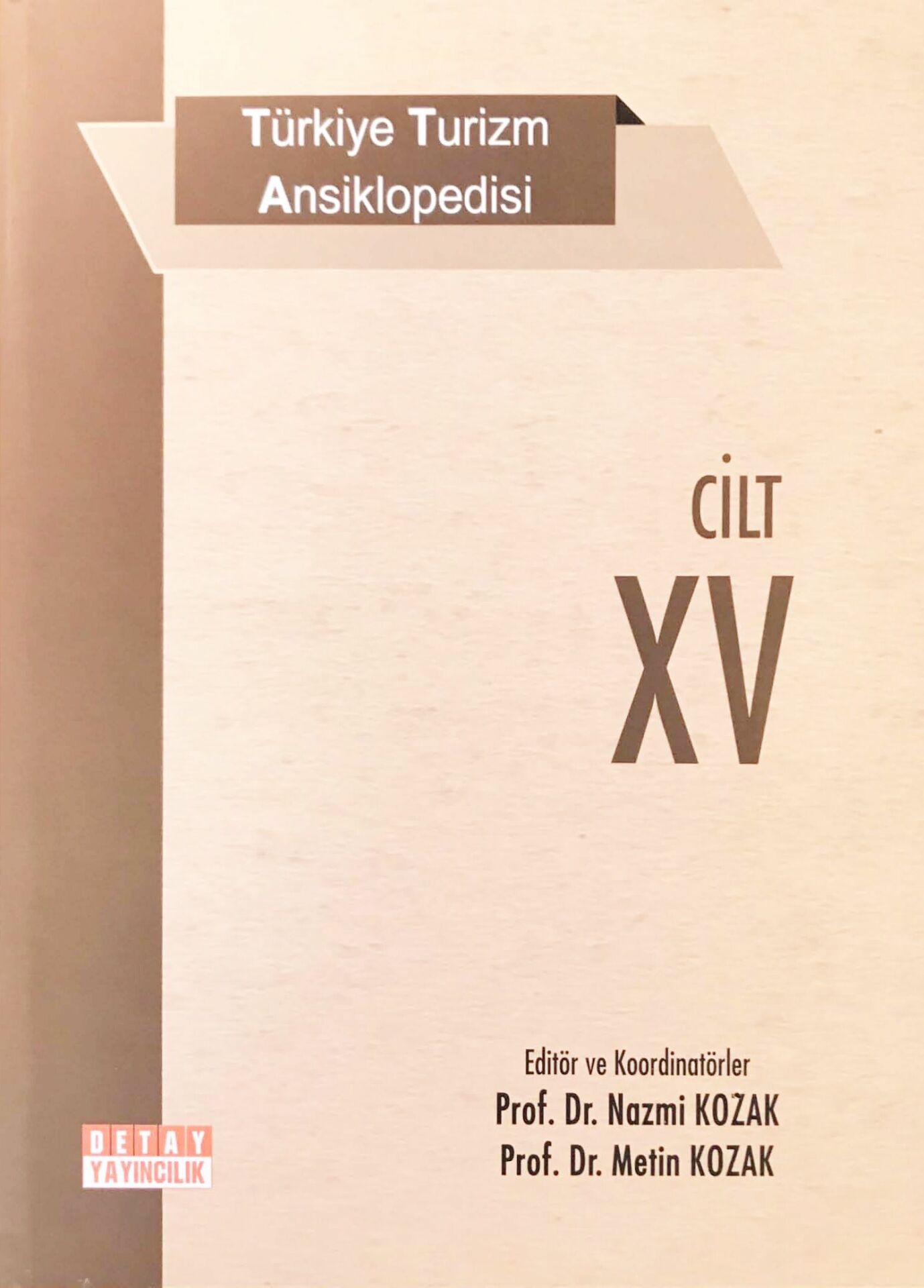
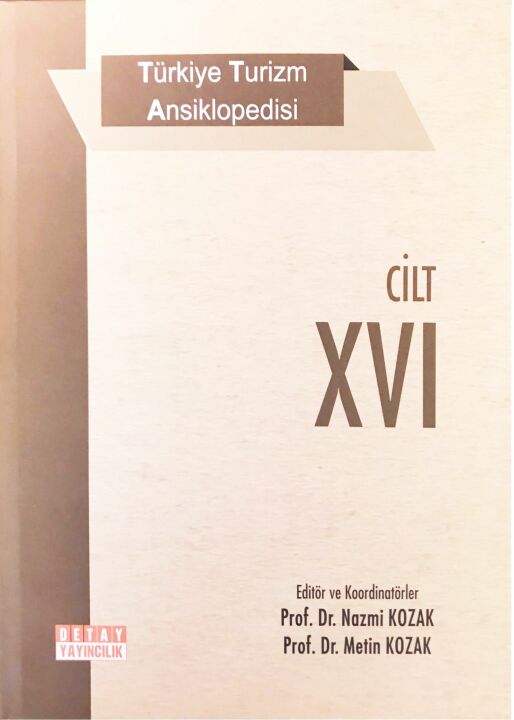
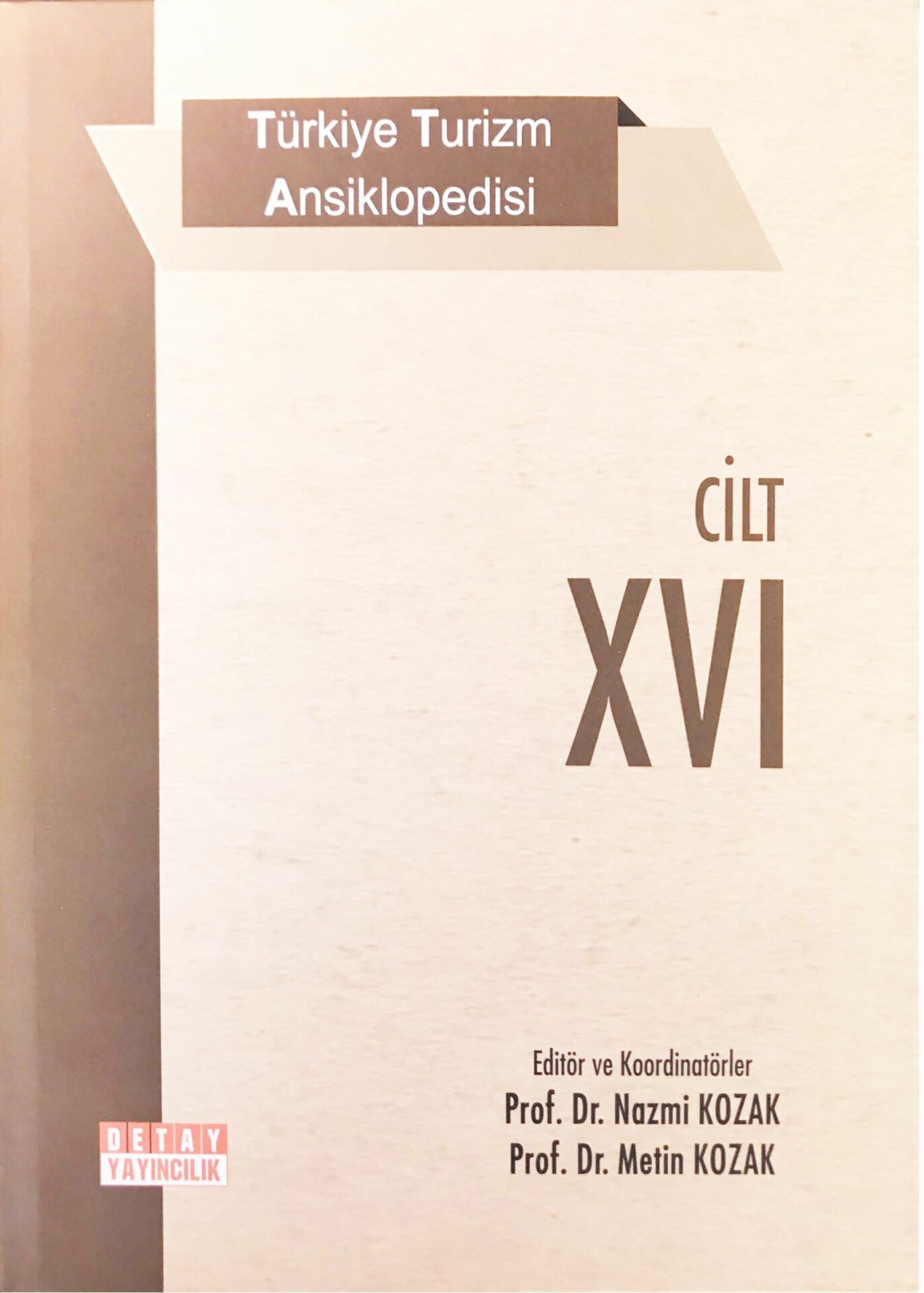
The Encyclopedia of Turkish Tourism
Books and Monographs Academic Book
(Türkiye, 2022)
-
2026

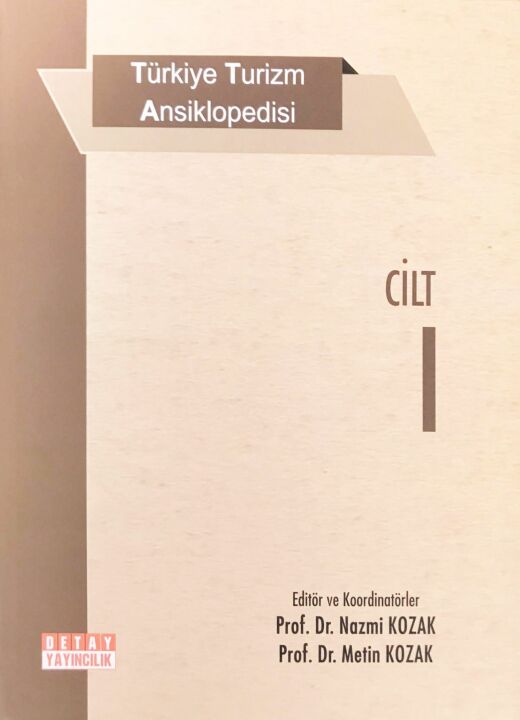
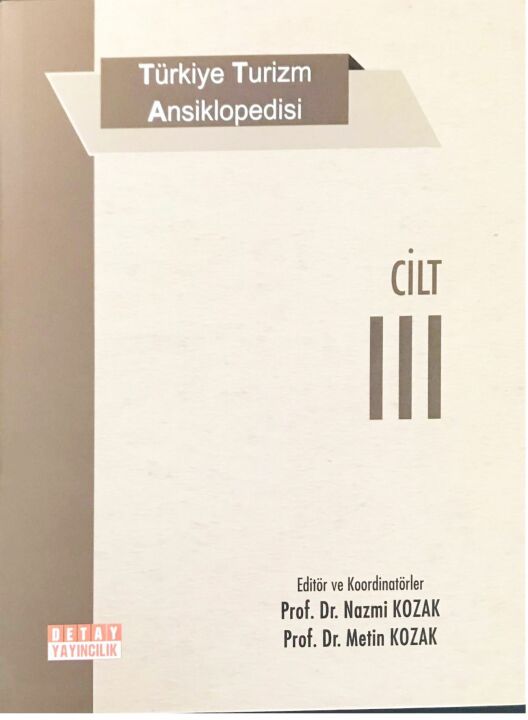
The Encyclopedia of Turkish Tourism is a multi-volume specialized encyclopedia prepared to systematically compile, preserve, evaluate, and transmit the body of knowledge produced in the field of tourism in Türkiye to future generations. The encyclopedia serves as a comprehensive reference work providing information on tourism-related concepts, institutions, organizations, destinations, businesses, individuals, publications, events, educational institutions, professions, legal regulations, and historical developments.
Consisting of 16 volumes, 6,632 pages, and 8,084 entries, the encyclopedia was prepared with the contributions of 2,240 authors. In this respect, it is regarded as one of the most comprehensive publishing projects ever undertaken in the field of tourism in both Türkiye and the world.
The encyclopedia is not merely a work explaining tourism concepts. It also functions as an archive of knowledge documenting the historical development of tourism in Türkiye, its institutional structure, educational system, research tradition, sectoral transformation, and professional culture. Through its entries, the development process of tourism in Türkiye, the pioneering individuals and institutions of the sector, the institutionalization of tourism education, and the evolution of tourism research have been systematically recorded.
Development of Tourism Literature and the Need for an Encyclopedia
The history of academic studies in tourism worldwide dates back to the beginning of the twentieth century. Tourism emerged as a scientific field of study particularly after the Second World War. Tourism research that developed in Germany, Austria, and Switzerland gradually spread to North America, the United Kingdom, and other countries.
Academic studies in tourism in Türkiye began during the 1960s. In the early years, researchers trained in economics, business administration, geography, and sociology approached tourism primarily as an applied field. Beginning in the 1980s, tourism research acquired a more institutional character through the expansion of tourism education and the establishment of graduate programs. During the 1990s, the increasing number of academic journals, the growth in graduate thesis production, and the emergence of new research areas contributed significantly to the development of tourism literature in Türkiye.
By the beginning of the twenty-first century, tourism had become an independent academic discipline with its own educational institutions, scholarly journals, research centers, graduate programs, and specialized researchers. Nevertheless, there was no comprehensive reference source that systematically brought together the accumulated knowledge of tourism in Türkiye. The idea of The Encyclopedia of Turkish Tourism emerged to fill this gap.
Origin and Preparation Process
The idea of The Encyclopedia of Turkish Tourism first began to take shape in 2004–2005. Initial drafts were prepared while Nazmi Kozak, one of the encyclopedia’s coordinators and chief editors, was serving as a visiting scholar at Virginia Polytechnic Institute and State University in the United States of America. During this period, encyclopedia projects in international tourism literature were examined and the necessity of a similar work for Türkiye was emphasized.
The project was addressed systematically beginning in 2014. From that point onward, efforts were initiated to develop entry lists, define subject areas, establish the editorial structure, and design a standardized writing system.
In 2016, a project proposal prepared for the encyclopedia was submitted to the Scientific and Technological Research Council of Türkiye (TÜBİTAK) Scientific and Technological Research Projects Support Program. However, because encyclopedia preparation was not evaluated as a scientific research project, the proposal was not funded. Consequently, the work continued on a voluntary basis. Numerous academics, researchers, and tourism professionals joined the project during the process. Although a substantial portion of the work was conducted online during the Coronavirus Disease 2019 pandemic, the project was completed as originally planned.
Scope and Content Structure
In determining the scope of The Encyclopedia of Turkish Tourism, all subjects directly or indirectly related to tourism were taken into consideration. Entries include tourism destinations, accommodation establishments, travel agencies, tour operators, airline companies, airports, marinas, museums, archaeological sites, cultural heritage areas, gastronomy establishments, health tourism institutions, thermal facilities, public institutions, non-governmental organizations, educational institutions, tourism publications, academic journals, and individuals who contributed to the development of the tourism sector.
The encyclopedia also includes entries related to specialized fields such as tourism education, tourism research, tourism legislation, tourist guiding, recreation, gastronomy and culinary arts, sustainable tourism, cultural heritage management, and alternative forms of tourism. Thus, the encyclopedia encompasses not only the economic dimensions of tourism in Türkiye but also its social, cultural, historical, and academic dimensions.
Entry Writing System and Editorial Principles
A standardized entry-writing system was developed for the encyclopedia. Entries were classified into three groups according to their importance and scope. Maximum lengths of 500 words, 1,000 words, and 2,000 words were established for the first, second, and third groups respectively. The minimum length for all entries was set at 250 words.
A common template was used in preparing entries. This template included the entry title, a defining sentence, the main text, cross-references, suggestions for further reading, references, author name, and year of writing. Photographs, maps, tables, and illustrations were also incorporated where appropriate.
This system ensured a degree of consistency in language, format, and content among the thousands of entries prepared by different authors.
Development of Entry Lists
The identification of entries to be included in the encyclopedia was the result of approximately three years of work. In the initial stage, entry suggestions were collected from the public through an online platform. Subsequently, additional entry proposals were developed through extensive reviews conducted by the editors and research team.
As a result of these efforts, an initial list of approximately 11,000 entries was created. During evaluation meetings held in Antalya, duplicate and overlapping entries were eliminated, reducing the list to approximately 8,000 entries. New entries continued to be added throughout the writing process, resulting in a final total of 8,084 entries.
Authors and Contributors
One of the most notable characteristics of The Encyclopedia of Turkish Tourism is the breadth of its authorship. Priority in author selection was given to academics with expertise in the relevant subject area. In addition, graduate students, tourism professionals, and individuals with direct experience in particular subjects were invited to contribute as authors.
Ultimately, a total of 2,240 contributors from universities, public institutions, and private-sector organizations throughout Türkiye participated in the project. This number makes the encyclopedia one of the largest collaborative academic publishing projects ever undertaken in the country.
Editorial Structure
The positions of coordinator and chief editors of The Encyclopedia of Turkish Tourism were held by Nazmi Kozak and Metin Kozak. A multi-layered editorial structure was established for the preparation of the encyclopedia. This structure included section editors, field editors, and entry compilation coordinators.
Field editors were responsible for identifying entries within their areas of expertise, recommending authors, evaluating content, and overseeing editorial processes. The field editors included Adile Bebek, Arzu Toker, Aslı Emine Özen, Burçin Kırlar Can, Ceren Aydın, Çağdaş Aydın, Dönüş Çiçek, Ebru Zencir Çiftçi, Esra Gül Yılmaz, Eylin Aktaş, Fatih Günay, Gökçe Yasemin Ersöz, Gözde Türktarhan, Gülşah Akkuş, Handan Aytekin, Hanım Kader Şanlıöz Özgen, Leyla Şişik, Mehmet Ertaş, Mehmet Tahir Dursun, S. Emre Dilek, Selim Kırova, Serap Güzel Özdemir, Serhat Adem Sop, Soner Söyler, Su Küfteoğlu and Zehra Gökçe Sel
Entry compilation coordinators included Sonay Kaygalak Çelebi, Yusuf Karakuş, Çağıl Hale Özel, Onur Çakır and Ahmet Uşaklı These individuals played important roles in creating entry lists, assigning authors, identifying missing topics, and monitoring the writing process.
Editing, Design, and Publication Process
The editing of encyclopedia texts constituted one of the longest phases of the project. Approximately 50,000 bibliographic references were reviewed, thousands of defining sentences were revised, and writing standards were established for nearly one thousand words and terms.
Approximately 2,000 photographs, maps, and illustrations were used throughout the encyclopedia. A significant portion of these visual materials was obtained from the archive of the General Directorate of Promotion of the Ministry of Culture and Tourism, while approximately 300 images were supplied from the personal archive of Nazmi Kozak.
The page design of the encyclopedia was prepared using Adobe InDesign software. The work was designed in a three-column layout measuring 17 × 23 centimeters. In addition, approximately 500 cross-reference entries were created to connect institutions, organizations, and individuals known under different names.
Evaluation and Significance
The Encyclopedia of Turkish Tourism represents one of the most comprehensive compilations of knowledge ever produced within Turkish tourism literature. With its 8,084 entries, 2,240 authors, 16 volumes, and 6,632 pages, it constitutes a specialized encyclopedia of tourism that has attracted attention not only in Türkiye but also within the broader international tourism literature.
The encyclopedia is regarded as one of the most comprehensive sources documenting the historical development, institutional structure, academic accumulation, and sectoral transformation of tourism in Türkiye. Furthermore, its preparation methodology, broad participation, and diversity of content place it among the rare large-scale reference works in global tourism scholarship. Considered a tangible indicator of the academic maturity achieved by tourism studies in Türkiye, the encyclopedia serves as a fundamental reference source for researchers, students, tourism professionals, and policy makers.
References
Kozak, N. ve Kozak, M., Editörler (2022). Türkiye Turizm Ansiklopedisi: :Kavramlar, Kurumlar ve Kuruluşlar, Olaylar ve Kişiler. Ankara: Detay Yayıncılık.
See Also:
See Also