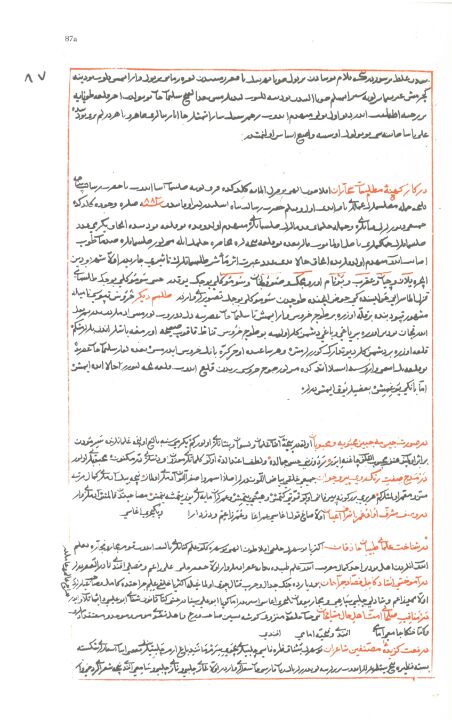
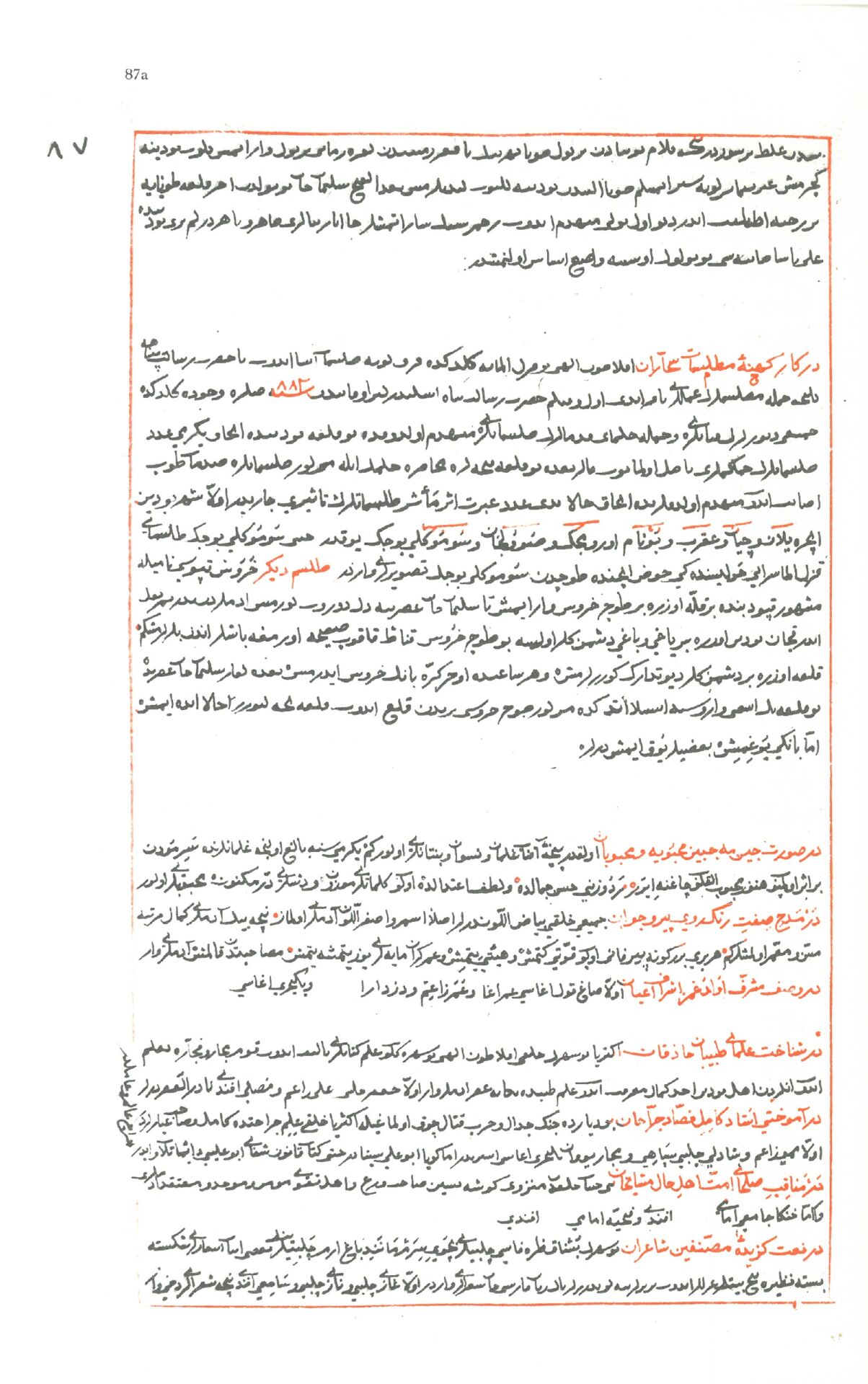
The Evliya Çelebi Seyahatnâmesi (The Book of Travels)
Books and Monographs Travel Literature Travel Writers, Media Figures, and Influencers Travel Writers / Traveler Travel Influencers Language and Literature Travel Writing
(Türkiye)
-
2026

The original title of the work is Târîh-i Seyyâh Evliyâ Efendi (The History of the Traveler Evliya Efendi). It recounts the travels of Evliya Çelebi, often referred to as the "Ibn Battuta of the Turks," undertaken between 1630 and 1681 across the Ottoman territories and neighboring countries. The Evliya Çelebi Seyahatname occupies a distinctive place among the travelogues produced in both Turkish and world history. Evliya Çelebi vividly narrated the places he visited, the events he witnessed, and the knowledge he acquired, immortalizing these experiences through his remarkable literary style. He examined the geographical characteristics, history, and distinctive features of the local populations he encountered—including their languages, customs, traditions, clothing, dances, arts, and principal occupations—in remarkable detail.
At the same time, he documented the architectural monuments found throughout the regions he visited, including mosques, masjids, schools, madrasahs, public soup kitchens (imaret), inns (han), bathhouses (hamam), and fountains, with the precision of a meticulous observer. In most cases, he also identified the patrons who commissioned these structures and described the circumstances surrounding their construction. Çelebi further discussed the major pilgrimage sites encountered during his travels, incorporating the hagiographical traditions (menkıbe) associated with the saints buried there. Although fundamentally a travelogue, the Seyahatname is regarded as one of the most important primary sources for seventeenth-century Ottoman history because of its rich historical, geographical, economic, social, and literary content. In recent years, it has also gained increasing recognition as an invaluable source for research in tourism history.
When examined from the perspectives of travel conditions, roadside accommodation facilities, and gastronomic culture in the seventeenth century, the Seyahatname provides exceptionally rich and often unique information unavailable in other contemporary sources. For example, Evliya Çelebi's description of the caravanserai commissioned by Sokullu Mehmed Pasha and designed by Mimar Sinan in Lüleburgaz offers invaluable insights into the operational organization of Ottoman caravanserais and inns. In the third volume of the Seyahatname, under the heading "In Praise of the Burgaz Caravanserai," he writes:
"Inside a massive gate stands a magnificent inn with 150 rooms, each equipped with a fireplace and facing one another like a great fortress. It is an impressive guest palace (mihmansaray) containing inner and outer courtyards, a harem, camel sheds, and stables. It is large enough to accommodate three thousand animals. Guards continuously keep watch at its gate. After nightfall, the mehterhane drum is sounded, and once everyone entering from outside or returning from within has gathered inside, the gate is closed. Lamps funded by the endowment (vakıf) are lit, and the guards lie down beside the entrance. If a traveler arrives during the night, the gate is opened, the guest is admitted, and food prepared in advance is served. However, regardless of the circumstances, no one is permitted to leave the inn until morning. Such was the condition established by the founder of the endowment.
When the guests awaken and the mehterhane drum is sounded, the innkeepers call out like town criers: 'O Community of Muhammad! Are your possessions, your lives, your horses, and your garments all complete?' When everyone replies, 'They are complete. May God have mercy upon the benefactor!' the gatekeepers open the gates at dawn. Standing once again at the entrance, they offer the travelers the following advice: 'Do not travel carelessly along the roads; do not lose your horse blankets; and do not trust everyone as a friend. May God bring you safely to your destination.' Thereupon, everyone continues on his journey."
This passage, together with numerous similar descriptions found throughout the Seyahatname, makes an indispensable contribution to the historical study of tourism, travel, accommodation, and hospitality.
From a geographical perspective, the Seyahatname encompasses an extraordinarily vast area. It contains detailed information concerning nearly the entire Ottoman realm, as well as numerous countries and regions including Iran, Iraq, Syria, Egypt, Russia, Crimea, the Balkans, Hungary, Germany, Flanders (the Netherlands), Sweden, and Poland. In this respect, the Seyahatname serves as an invaluable historical, geographical, and cultural atlas of the Caucasus, the Arab world, the Balkans, and Central Europe.
Evliya Çelebi also recorded valuable historical information about every city and country he visited, drawing at times upon oral traditions and at other times upon written historical sources. While compiling the first volume, he consulted numerous works, including the Şahidi Lügati, İskendername, Tuhfe Tarihi, Kanunname, Taberi Tarihi, Füvvetname, Künhü'l-Ahbar, Hadaikü'l-Hakaik, Peçevi Tarihi, and Tezkiretü'l-Bünyan. In the later volumes, he also consulted major chronicles, legal codes, provincial land registers (eyalet tahrir defterleri), and hagiographical works by scholars such as Qazwini, Maqrizi, Tabari, Al-Dhahabi, Celalzade, Solakzade, and Âlî, in addition to the Atlas Minor and various historical works written in Latin and Greek. From this perspective, Evliya Çelebi should be regarded not merely as a traveler recording his observations, but as a learned intellectual with extensive knowledge of both Ottoman and non-Ottoman scholarly literature. Reflecting the Ottoman worldview, mentality, and perception of life with remarkable clarity, the Seyahatname remains one of the principal reference works for scholars investigating Ottoman history before and during the seventeenth century.
In addition to its immense contribution to Turkish cultural history, the Seyahatname occupies a distinguished place in Turkish literature and the history of the Turkish language. Evliya Çelebi's vivid descriptions, warm sense of humor, and expressive literary style—enriched by seci (rhymed prose) and deliberate hyperbole—distinguish him from most writers of his age. Above all, the Seyahatname is autobiographical, with Evliya Çelebi himself serving as its principal protagonist, presented with both his virtues and shortcomings. The inclusion of numerous folk and Divan poets further enhances the work's literary significance. Although primarily written in prose, the Seyahatname also incorporates numerous poetic passages. Furthermore, the extensive attention devoted to folklore, popular beliefs, and oral traditions establishes it as one of the most valuable sources for Turkish folklore studies.
The Seyahatname is equally a work of history. Evliya Çelebi recorded significant information concerning both earlier Ottoman history and the political and military events of his own lifetime. The campaigns and battles in which he personally participated are narrated with exceptional skill. Alongside historical events, however, he occasionally introduced extraordinary stories that challenge rational explanation. Miraculous occurrences—including women giving birth to elephants or caves capable of foretelling the future—appear throughout the work. Such passages demonstrate his frequent use of literary exaggeration as a stylistic device intended to make his narrative more engaging rather than to deceive the reader. By recounting events he personally experienced with the richness of a novelist, Evliya Çelebi produced one of the finest examples of middle-period Ottoman prose. Rather than adopting an excessively ornate literary style, he generally preferred clear and accessible language. The abundant use of colloquial vocabulary and idiomatic expressions, combined with his exceptional narrative ability, gives the Seyahatname much of its distinctive vitality. Consequently, its language is considerably closer to everyday spoken Turkish than to the highly formal literary language characteristic of its period.
Whether Evliya Çelebi personally witnessed every event described in the Seyahatname remains one of the enduring questions in modern scholarship. Some researchers argue that certain episodes were shaped largely by literary imagination and suggest that he may not have visited every location he claimed to have seen. Nevertheless, recent studies based on Ottoman archival sources have confirmed the remarkable accuracy of a substantial proportion of the geographical, historical, and administrative information contained in the Seyahatname, reinforcing its value as one of the most reliable primary sources for the study of the seventeenth-century Ottoman world.
The Life of Evliya Çelebi (1611–1685?)
Evliya Çelebi, one of the greatest travelers in Ottoman history, was born in the Unkapanı district of Istanbul on March 25, 1611 (10 Muharram 1020 AH). Although the exact date of his death remains uncertain, it is generally accepted that he died sometime after 1683, most probably in Cairo. His real name was Derviş Mehmed Zıllî, while "Evliya Çelebi" became the name by which he was universally known throughout his lifetime and in later centuries.
Evliya Çelebi was born into a prosperous and well-educated family with close connections to the Ottoman palace. His father, Derviş Mehmed Zıllî Efendi, was a distinguished goldsmith and court jeweler (kuyumcubaşı) who had participated in the conquest of Cyprus and enjoyed the confidence of Sultan Ahmed I. Owing to his father's position, Evliya grew up in an intellectually stimulating environment frequented by scholars, artists, craftsmen, statesmen, and members of the imperial court.
He received a comprehensive education in accordance with the standards of the Ottoman elite. After completing his primary education, he studied at the madrasa and memorized the Qur'an under the guidance of prominent scholars. He also received instruction in Arabic, Persian, calligraphy, music, recitation (tajwīd), and Islamic sciences. His education was further enriched by lessons in history, geography, literature, and the arts, providing him with the broad intellectual foundation reflected throughout the Seyahatname.
Evliya Çelebi also demonstrated exceptional talent in music and Qur'anic recitation. Owing to his melodious voice, he attracted the attention of leading religious scholars and court officials. Through the patronage of his teacher, Keçi Mehmed Efendi, he entered the imperial palace, where he served for approximately four years in the Privy Chamber (Has Oda). During this period, he became acquainted with members of the Ottoman ruling elite and acquired valuable experience in court etiquette, administrative practices, and palace culture.
According to his own account in the Seyahatname, the decisive turning point in his life occurred on the night of Ashura in 1630. While sleeping in the Ahi Çelebi Mosque in Istanbul, he experienced the famous dream that profoundly shaped the remainder of his life. In this dream, he encountered the Prophet Muhammad together with several of his Companions. Overcome with excitement, he intended to ask for şefaat (intercession) but mistakenly uttered the word seyahat (travel). The Prophet smiled and granted both requests, blessing him with the opportunity to travel throughout the world. Ottoman scholars have traditionally interpreted this dream as the symbolic beginning of Evliya Çelebi's lifelong journeys.
Following this experience, Evliya sought the interpretation of the renowned scholar Aziz Mahmud Hüdâyî, who reportedly encouraged him to travel and advised him to record everything he observed. Whether entirely historical or partly symbolic, this episode occupies a central place in the narrative structure of the Seyahatname and serves as the literary foundation of Evliya Çelebi's identity as a traveler.
Unlike many travelers of his time, Evliya Çelebi never undertook his journeys solely for personal curiosity. Throughout his life, he frequently accompanied governors, ambassadors, military commanders, and senior Ottoman officials while performing a variety of administrative and diplomatic duties. These official appointments provided him with access to regions that would otherwise have been difficult or impossible to visit, while simultaneously allowing him to observe the functioning of the Ottoman administrative system from within.
His official responsibilities included serving as a courier, tax collector, customs superintendent, secretary, companion, muezzin, and diplomatic assistant. These assignments enabled him to establish close relationships with provincial governors, judges, military commanders, scholars, merchants, religious leaders, and local inhabitants. Consequently, the Seyahatname reflects not only the observations of a curious traveler but also the informed perspective of an individual who actively participated in many aspects of Ottoman administrative and political life.
Evliya Çelebi possessed an extraordinary curiosity that extended far beyond geography. Throughout his travels, he carefully observed architecture, urban planning, religious institutions, languages, ethnic groups, economic activities, agricultural production, culinary traditions, folklore, music, festivals, clothing, craftsmanship, military organization, transportation systems, and natural environments. His ability to combine meticulous observation with engaging literary narration distinguishes him from many other travel writers of both the Ottoman and European traditions.
One of the most remarkable characteristics of Evliya Çelebi was his ability to establish rapport with people from diverse cultural, religious, and linguistic backgrounds. He frequently communicated with Muslims, Christians, Jews, Armenians, Greeks, Arabs, Persians, Kurds, Circassians, Georgians, Tatars, and many other communities, recording their customs with notable curiosity and, in most cases, considerable tolerance. This openness enabled him to produce one of the most comprehensive ethnographic accounts of the seventeenth-century Ottoman world.
Despite the literary embellishments occasionally encountered in the Seyahatname, modern scholarship generally agrees that Evliya Çelebi was an exceptionally careful observer. Numerous descriptions of cities, monuments, administrative institutions, transportation routes, and historical events have been confirmed through Ottoman archival documents, archaeological evidence, and contemporary historical sources. Consequently, his work continues to be regarded as one of the most valuable documentary sources for the political, social, cultural, and geographical history of the Ottoman Empire.
The Travels of Evliya Çelebi
Following his service under Melek Ahmed Pasha, Evliya Çelebi continued to accompany Ottoman governors, commanders, and diplomatic missions throughout various regions of the empire. These appointments enabled him to undertake increasingly extensive journeys across Anatolia, Rumelia, the Balkans, Central Europe, the Caucasus, the Black Sea region, the Middle East, and North Africa. During these travels, he observed not only political and military developments but also the social, economic, religious, and cultural characteristics of the communities he encountered.
Unlike many contemporary travelers, Evliya Çelebi rarely limited his observations to official affairs. He displayed an extraordinary curiosity about every aspect of daily life, including local architecture, marketplaces, educational institutions, religious buildings, agricultural production, commercial activities, transportation networks, crafts, festivals, traditional clothing, music, cuisine, and popular customs. This comprehensive approach transformed the Seyahatname into an encyclopedic account of seventeenth-century Ottoman society.
Throughout his travels, Evliya frequently served as an official courier, customs superintendent, tax collector, secretary, or diplomatic assistant. These responsibilities allowed him to travel safely under official protection while also providing access to administrative information unavailable to ordinary travelers. Consequently, his observations combine the perspectives of both an inquisitive traveler and an experienced Ottoman official.
One of the most significant phases of his travels began with his appointment to accompany Melek Ahmed Pasha to Rumelia. During this period, Evliya visited numerous settlements throughout present-day Bulgaria, Romania, Serbia, Bosnia and Herzegovina, Albania, Kosovo, North Macedonia, Greece, and Hungary. His detailed descriptions of these regions provide invaluable information on Ottoman provincial administration, military organization, urban development, religious institutions, and intercultural relations in southeastern Europe.
His journeys were not confined to Ottoman territories. Evliya also travelled extensively through regions under Habsburg, Polish, Russian, Safavid, and Crimean rule. Among his most remarkable journeys was his visit to Vienna as a member of Kara Mehmed Pasha's diplomatic mission following the Peace of Vasvár in 1665. His observations of Vienna include detailed descriptions of the city's fortifications, churches, palaces, public squares, markets, administrative institutions, and social life. These accounts constitute one of the earliest and most comprehensive Ottoman descriptions of a major European capital.
Evliya Çelebi likewise devoted considerable attention to the Caucasus and the northern Black Sea region. His travels through Crimea, Circassia, Abkhazia, Georgia, Dagestan, and neighboring territories provide valuable ethnographic information concerning the customs, languages, tribal structures, and political organization of the peoples inhabiting these regions. Modern historians and anthropologists continue to regard these observations as among the most important documentary sources for the history of the Caucasus during the seventeenth century.
In addition to documenting geography and politics, Evliya demonstrated a remarkable interest in religious life. Throughout his journeys, he visited mosques, churches, monasteries, synagogues, shrines, dervish lodges (tekkes), and tombs of saints belonging to different religious traditions. Rather than merely describing their architecture, he recorded the rituals, beliefs, legends, and religious practices associated with these sacred places. This multidimensional perspective has made the Seyahatname an indispensable source for the study of religious history and pilgrimage traditions within the Ottoman Empire.
Food and hospitality also occupy a prominent place in Evliya Çelebi's narrative. He carefully documented regional dishes, beverages, desserts, spices, agricultural products, methods of food preparation, and local dining customs. Similarly, he described caravanserais, inns (hans), guesthouses, public hospices (zaviyes), and other accommodation facilities in considerable detail, noting their architectural characteristics, administrative organization, charitable functions, and services provided to travelers. These observations provide invaluable evidence concerning the development of hospitality institutions long before the emergence of modern tourism.
Another distinctive feature of Evliya Çelebi's travels is the attention he devoted to language and cultural diversity. He frequently recorded local vocabularies, dialects, proverbs, songs, legends, and expressions, thereby preserving linguistic and folkloric materials that might otherwise have disappeared. His sensitivity to cultural diversity distinguishes him from many other travel writers of his period and substantially enhances the ethnographic value of the Seyahatname.
Evliya's final major journey was his pilgrimage to Mecca in 1671. Travelling through Anatolia, Syria, Palestine, and the Arabian Peninsula, he carefully documented the pilgrimage routes, caravan organization, accommodation facilities, charitable institutions, security arrangements, and religious ceremonies associated with the Hajj. Unlike conventional pilgrimage narratives, his account integrates religious devotion with geographical observation, historical commentary, and ethnographic description, providing one of the richest surviving accounts of pilgrimage during the Ottoman period.
Following the completion of the Hajj, Evliya continued his travels throughout the Arabian Peninsula before settling for several years in Egypt. His extensive descriptions of Cairo, Alexandria, the Nile Valley, and other Egyptian settlements occupy a substantial portion of the final volume of the Seyahatname. These chapters provide exceptionally detailed information concerning urban administration, religious institutions, education, trade, architecture, and everyday life in Ottoman Egypt.
Although the precise date and circumstances of Evliya Çelebi's death remain uncertain, most scholars agree that he died in Cairo sometime after 1683. Regardless of the exact details of his final years, his lifelong commitment to travel resulted in one of the most comprehensive travel narratives ever produced. Today, the Seyahatname remains an indispensable primary source for scholars studying Ottoman history, historical geography, anthropology, folklore, gastronomy, cultural heritage, and tourism.
Scholarship on the Seyahatname
It is generally believed that Evliya Çelebi compiled the notes he had gathered during his travels into book form in Cairo, where he settled after 1673. While in Egypt, he stayed with Emir Özbeg Bey and his family. In 1742–1743, this family presented the Seyahatname as a gift to Hacı Beşir Ağa, the Chief Black Eunuch (Darüssaade Ağası) of Sultan Mahmud I (r. 1730–1754). Beşir Ağa had previously encountered the work during his stay in Egypt in 1715 and developed a keen interest in it. Upon receiving the manuscript, he deposited it in the Topkapı Palace Library and commissioned several copies to be transcribed.
The fate of the travelogue changed dramatically when Joseph von Hammer accidentally discovered the fourth volume of the Seyahatname, bearing the title Tarih-i Seyyah Evliya Efendi, among second-hand booksellers in Istanbul in 1804. In 1814, Hammer introduced the work to the scholarly world through his article entitled The Interesting Discovery of a Turkish Travelogue. He subsequently translated extensive selections from the first four volumes into English in a three-volume publication issued between 1834 and 1850 and included the first biography of Evliya Çelebi in the introductory section. Modern scholarly interest in Evliya Çelebi, the nature of the Seyahatname, and its exceptional place in Ottoman cultural history largely originated from Joseph von Hammer's discovery and pioneering research.
The work was first published in Istanbul in 1843 under the title Müntehabat-ı Evliya Çelebi (Selections from Evliya Çelebi) as a concise volume of 143 pages. This first Turkish edition contained the history of Istanbul from the first volume, various legends concerning Hagia Sophia, accounts of the talismans of Istanbul, and selected narratives relating to miracles and sorcery extracted from other volumes. A second edition appeared in 1846; however, it was later declared a harmful publication and its sale was prohibited. A third edition was subsequently printed in Bulaq (Egypt) and imported into Istanbul for distribution. The fourth edition was published in 1862.
Following the publication of Müntehabat-ı Evliya Çelebi, a widespread misconception emerged, and the Seyahatname came to be regarded primarily as a collection of entertaining tales intended for the general public. Influenced by this perception, A. D. Mordtmann argued that educated Ottomans considered Evliya Çelebi comparable to Nasreddin Hodja and viewed the Seyahatname as the Ottoman equivalent of The Thousand and One Nights. He further claimed that Evliya's narratives lacked historical credibility and dismissed the author as an unreliable storyteller given to exaggeration and fanciful inventions.
Between 1896 and 1901, Ahmed Cevdet and Necip Asım published the first six volumes of the Seyahatname. Owing to the strict censorship policies of the late Ottoman period, however, numerous passages concerning particular pashas and the Celali rebellions were omitted, while other sections were modified prior to publication. Interest in the work increased considerably following Imre Karácson's Hungarian translations of Evliya Çelebi's journeys through Hungary (covering the periods 1660–1664 and 1664–1666), published in 1904 and 1908.
Franz Taeschner, who joined Evliya Çelebi scholarship in 1922, employed the Seyahatname as a primary source for reconstructing the topography and transportation network of Ottoman Anatolia. In 1927, J. H. Mordtmann authored the entry "Ewliya Celebi" for the Encyclopaedia of Islam. Around the same period, Mustafa Nihad Özön published a series of articles in Dergâh magazine (1921–1922), providing the first comprehensive account of Evliya Çelebi's life for a Turkish readership.
The seventh and eighth volumes of the Seyahatname were published in Arabic script by the Turkish Historical Society (Türk Tarih Encümeni) in 1928. In his 1930 study entitled Evliya Çelebi's Itinerary in Albania, Franz Babinger reconstructed Evliya Çelebi's Albanian journeys of 1662 and 1670 step by step, critically evaluating the information contained in the Seyahatname. His research demonstrated that the overwhelming majority of Evliya's geographical and historical observations were remarkably accurate. The ninth and tenth volumes of the Seyahatname were subsequently published in the new Latin alphabet in 1935 and 1938, respectively.
Between 1943 and 1967, Reşat Ekrem Koçu prepared simplified and abridged versions of the first six volumes for a wider readership. Mustafa Nihat Özön likewise published a three-volume selection from the Seyahatname in 1944–1945. In 1943, Alessandro Bombaci translated Evliya Çelebi's account of Abyssinia into Italian. In 1947, Cavit Baysun authored the entry "Evliya Çelebi" for the İslam Ansiklopedisi, presenting the most comprehensive scholarly evaluation available at the time regarding both Evliya Çelebi's life and the contents of the Seyahatname. Baysun also emphasized the urgent need for a complete and academically reliable edition of the work.
A major milestone in modern Seyahatname scholarship was reached in 1996, when Yapı Kredi Cultural Activities and Arts Publishing initiated the publication of a new critical text in Istanbul. The tenth and final volume of this edition appeared in 2007. In 2013, Seyit Ali Kahraman prepared an indexed facsimile edition of the first six volumes, providing scholars with improved access to the original manuscripts.
Academic interest in Evliya Çelebi has likewise been reflected in a growing number of international conferences. The First International Evliya Çelebi and Seyahatname Symposium was organized at Eastern Mediterranean University in Famagusta, Cyprus, in 2001. This was followed in 2008 by the symposium entitled An Extraordinary Writer and His Age: International Evliya Çelebi and Seyahatname Symposium, organized by the Bilkent University Center for Turkish Literature in Ankara. To date, the Seyahatname has been translated into sixteen languages, including German, Arabic, Albanian, Bulgarian, Armenian, French, Georgian, English, Italian, Hungarian, Polish, Romanian, Russian, Serbian, Slovak, and Greek.
The manuscript copies of the Seyahatname are currently preserved in several major libraries. One complete manuscript is registered among the Pertev Paşa Collection (Nos. 458–462) at the Millet Library in Istanbul. Another copy is preserved in the Beşir Ağa Collection (Nos. 448–452) at the Süleymaniye Library. A further manuscript (No. 304) is housed in the Baghdad Pavilion Library within Topkapı Palace. Two additional copies, transcribed at different dates, are preserved in the Istanbul University Library under catalogue numbers 2371 and 5939. Manuscripts comprising the first four volumes are also held by the Royal Asiatic Society in London, while another manuscript containing the fourth volume is preserved in the Austrian National Library in Vienna.
Content of the Seyahatname by Volume
The topics covered across the ten volumes of the travelogue are as follows:
Volume 1: The history, sieges, and conquest of Istanbul; the sacred sites and mosques of Istanbul; the Kanunname (Legal Code) of Sultan Suleiman; the administrative divisions of Anatolia and Rumelia; structures such as dervish lodges (tekkes), madrasas, masjids, tombs, darülhadis (centers for Hadith studies), public soup kitchens (imarets), hospitals, mansions, caravanserais, water-dispensing kiosks (sebilhanes), and bathhouses; viziers, scholars, and chancellors (nişancı) who flourished from the reign of Mehmed the Conqueror onward; and the guilds and crafts of Istanbul.
Volume 2: Mudanya and Bursa; the foundation of the Ottoman State and the sultans who ascended the throne prior to the conquest of Istanbul; mosques, tombs, and other architectural monuments in Bursa; the scholars, viziers, and poets of Bursa; Trabzon and its surroundings, the land of Abkhazia, and regions of Georgia.
Volume 3: All the cities and towns along the route from Üsküdar to Damascus; detailed and fascinating information concerning Shumen, Nikopol, Silistra, Plovdiv, Sofia, and Edirne.
Volume 4: All the cities and towns along the route from Istanbul to Van; Evliya Çelebi's journey to Iran as an envoy; and information concerning Iran and Iraq.
Volume 5: Tokat; Rumelia (Özi, Bilhorod-Dnistrovskyi, and Kili); various countries and provinces extending from Sarıkamış to Central Europe; Poland; the Dardanelles; Gallipoli; and Moldavia.
Volume 6: Hungary and Germany.
Volume 7: Austria, Crimea, Dagestan, Circassia, the Kipchak lands, and the Astrakhan region.
Volume 8: Events in Crimea and Crete, together with developments in Thessaloniki and Rumelia.
Volume 9: All the cities and towns along the route from Istanbul to Mecca and Medina; noteworthy experiences encountered by Evliya Çelebi; and extensive information concerning Mecca and Medina.
Volume 10: Egypt and its surrounding regions.
Recent Significant Studies on Evliya Çelebi and the Seyahatname
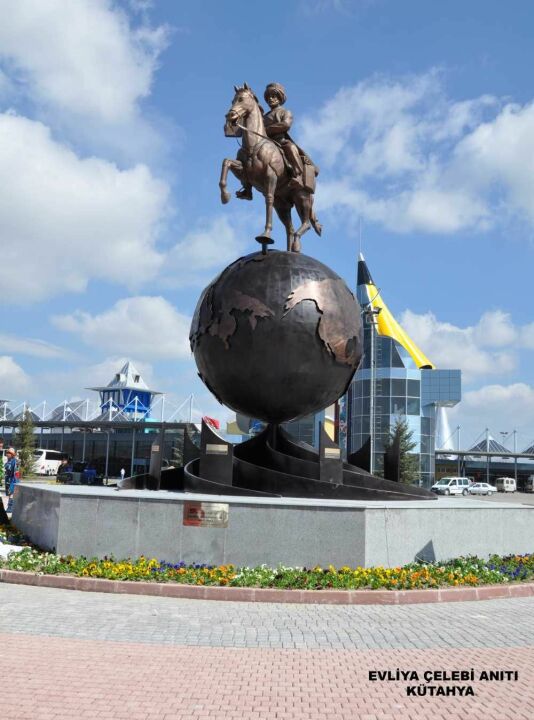
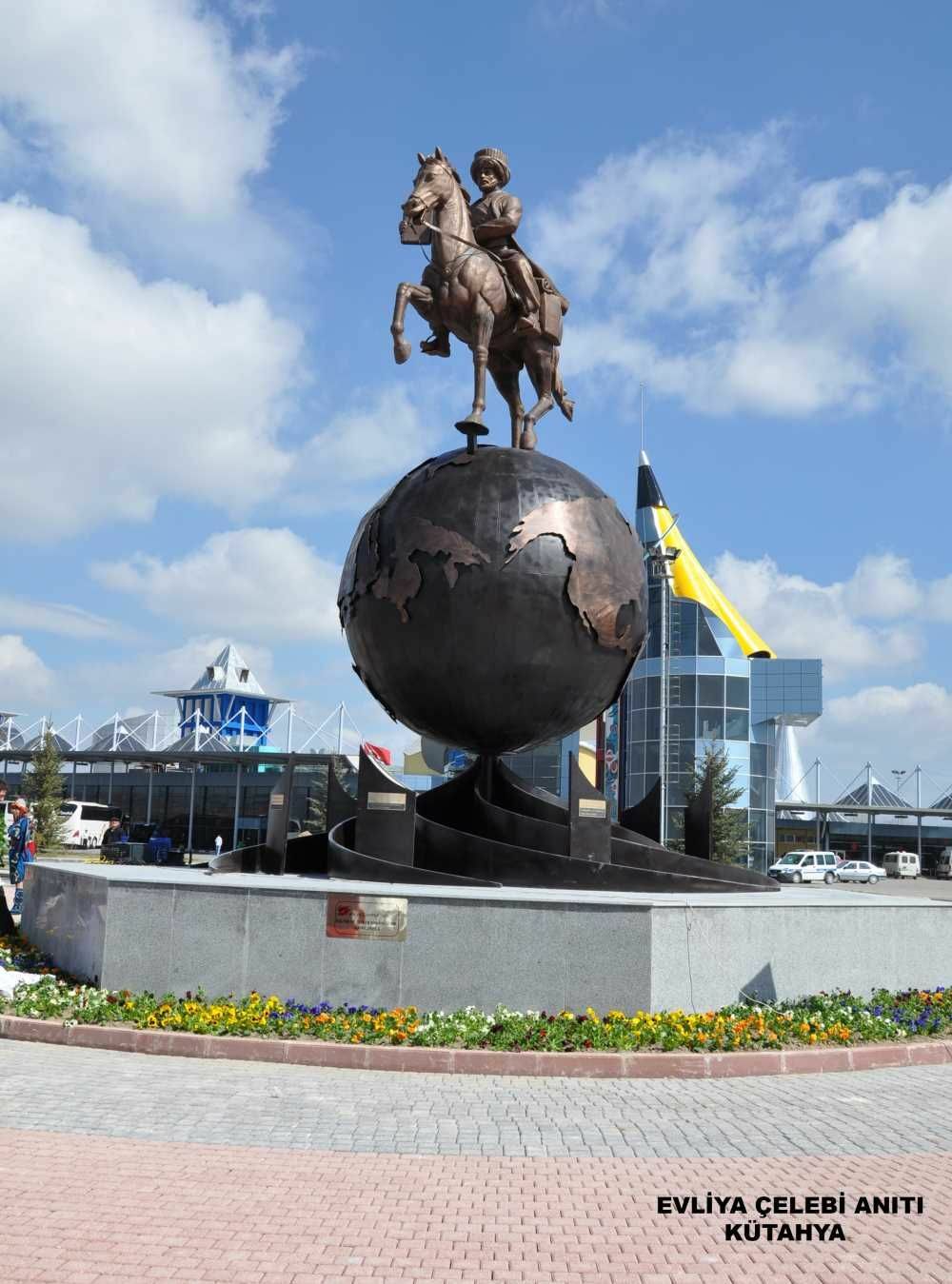
Interest in Evliya Çelebi and his Seyahatname continues to grow. On the occasion of the 400th anniversary of his birth, the UNESCO General Conference proclaimed 2011 the "Evliya Çelebi Commemoration Year." Events organized within the framework of this commemorative year included the Evliya Çelebi's Istanbul Exhibition (January 19, 2011), the Evliya Çelebi Ankara Exhibition (February 25, 2011), the Evliya Çelebi Symposium on the 400th Anniversary of His Birth (Kütahya, March 26, 2011), the An Ottoman Traveler: Evliya Çelebi Paris Exhibition (November 14, 2011), the Evliya Çelebi Paris Symposium (November 14, 2011), the Evliya Çelebi Bosnia and Herzegovina Exhibition (January 10, 2012), and the Evliya Çelebi's Balkans Congress (Skopje, April 21, 2012).
The Evliya Çelebi Studies Center was established at Fatih Sultan Mehmet Vakıf University on June 27, 2021. The primary objective of the center is to bring together past and future research on Evliya Çelebi and the Seyahatname within a dedicated institutional framework, thereby fostering new avenues of academic inquiry. In addition to organizing panels, workshops, meetings, and digital history projects, the center has hosted two major international symposia: the first in Istanbul in 2023 and the second in Sarajevo in 2025.
The Evliya Çelebi Seyahatname Critical Edition Project, conducted jointly by the Fatih Sultan Mehmet Vakıf University Evliya Çelebi Studies Center and Ketebe Publishing, was officially launched in 2023 and is expected to publish its first results in 2026. The project aims to produce a complete and authoritative edition of the Seyahatname—one of the most significant sources of seventeenth-century world cultural heritage—in accordance with contemporary philological and critical editing standards. Seeking to correct the transcription and modernization errors found in previous editions through a meticulous editorial process, the project will produce four principal outputs: a ten-volume comparative critical edition, a modern Turkish translation, a digital edition infrastructure, and thematic specialized dictionaries. Conducted under the academic consultancy of the internationally renowned Evliya Çelebi scholar Robert Dankoff and directed by Musa Duman and İlhami Danış, the project is supported by an extensive team of researchers and an international advisory board contributing regional expertise on local toponymy (place names), anthroponymy (personal names), and regional history across diverse geographical areas. This multidisciplinary structure establishes the project as an authoritative reference source for numerous disciplines, including history, linguistics, architecture, and geography.
In his 2025 book, Evliya Çelebi Seyahatnamesi'nin Tarihi (The History of the Evliya Çelebi Seyahatname), Uğur Demir presents a comprehensive study of the Seyahatname from the perspective of book history. The volume traces the remarkable journey of the work from the dream that inspired Evliya Çelebi to its eventual publication in printed form. Demir first examines the motivations, methods, and chronology underlying the composition of the Seyahatname. He then analyzes the manuscript's physical and textual structure, including its intended number of volumes, internal organization, page layout, marginalia, and indexes, while demonstrating how Evliya Çelebi's own revisions may be identified. Beyond its composition, the book explores the posthumous history of the Seyahatname, investigating how the manuscripts were preserved, transmitted, brought to Istanbul, copied, and circulated, as well as identifying their owners, readers, and annotators during the Ottoman period. The transition of the Seyahatname into print constitutes another major focus of the study. Within this framework, Demir examines Joseph von Hammer's discovery of the work and provides a critical analysis of the motivations, editorial methods, and individuals involved in its successive Ottoman-era editions.
References
Demir, U. (2015). Yasaklanan ve sansürlenen bir kitabın macerası: Evliyâ Çelebi Seyâhatnâmesi’nin ilk baskıları. Osmanlı Araştırmaları, 46, 193–212; Evliya Çelebi. (2013). Günümüz Türkçesiyle Evliyâ Çelebi Seyahatnâmesi (Cilt 1–2; S. A. Kahraman & Y. Dağlı, Haz.). Yapı Kredi Yayınları; Özön, M. N. (1976). Evliya Çelebi Seyahatname (Gördüklerim) (Cilt 1–2). İnkılap ve Aka Kitabevi; Tezcan, N. (2011). 1814’ten 2011’e Seyahatname araştırmalarının tarihçesi. İçinde N. Tezcan & S. Tezcan (Ed.), Evliya Çelebi (ss. 78–115). Kültür Bakanlığı Yayınları; Türk Dili ve Edebiyatı Ansiklopedisi. (1998). Türk Dili ve Edebiyatı Ansiklopedisi: Devirler/İsimler/Eserler/Terimler (Cilt 8). Dergâh Yayınları.
See Also
Baysun, M. C. (1947). Evliya Çelebi. İçinde İslâm Ansiklopedisi (Cilt 4, ss. 400–412). Millî Eğitim Basımevi; Eren, M. (1960). Evliya Çelebi Seyahatnamesi birinci cildinin kaynakları üzerinde bir araştırma. Edebiyat Fakültesi Matbaası; Tezcan, N. (2009). Seyahatname. İçinde Türkiye Diyanet Vakfı İslâm Ansiklopedisi (Cilt 37, ss. 16–19). Türkiye Diyanet Vakfı Yayınları.