Urban Conservation Area
NATURAL AND CULTURAL HERITAGE TOURISM TYPES AND FORMS Cultural Tourism Heritage Tourism DISCIPLINES, CONCEPTS, AND RESEARCH AREAS Archaeology Architecture, Landscape Architecture, Planning, and Design COUNTRIES AND TERRITORIES Türkiye

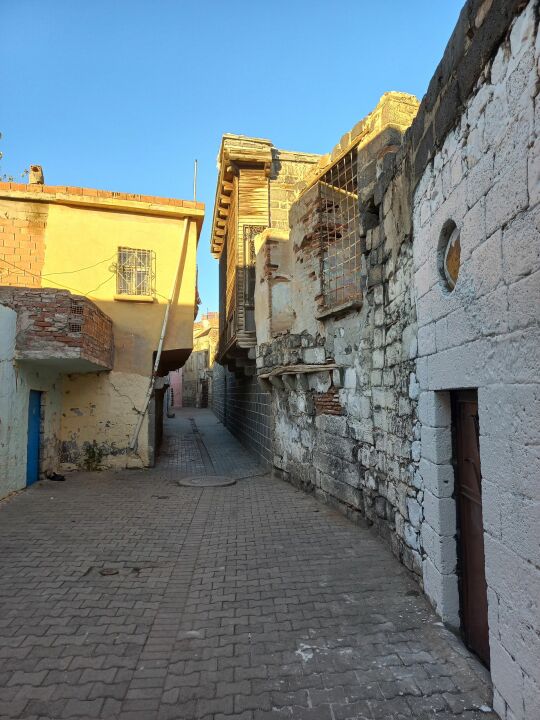
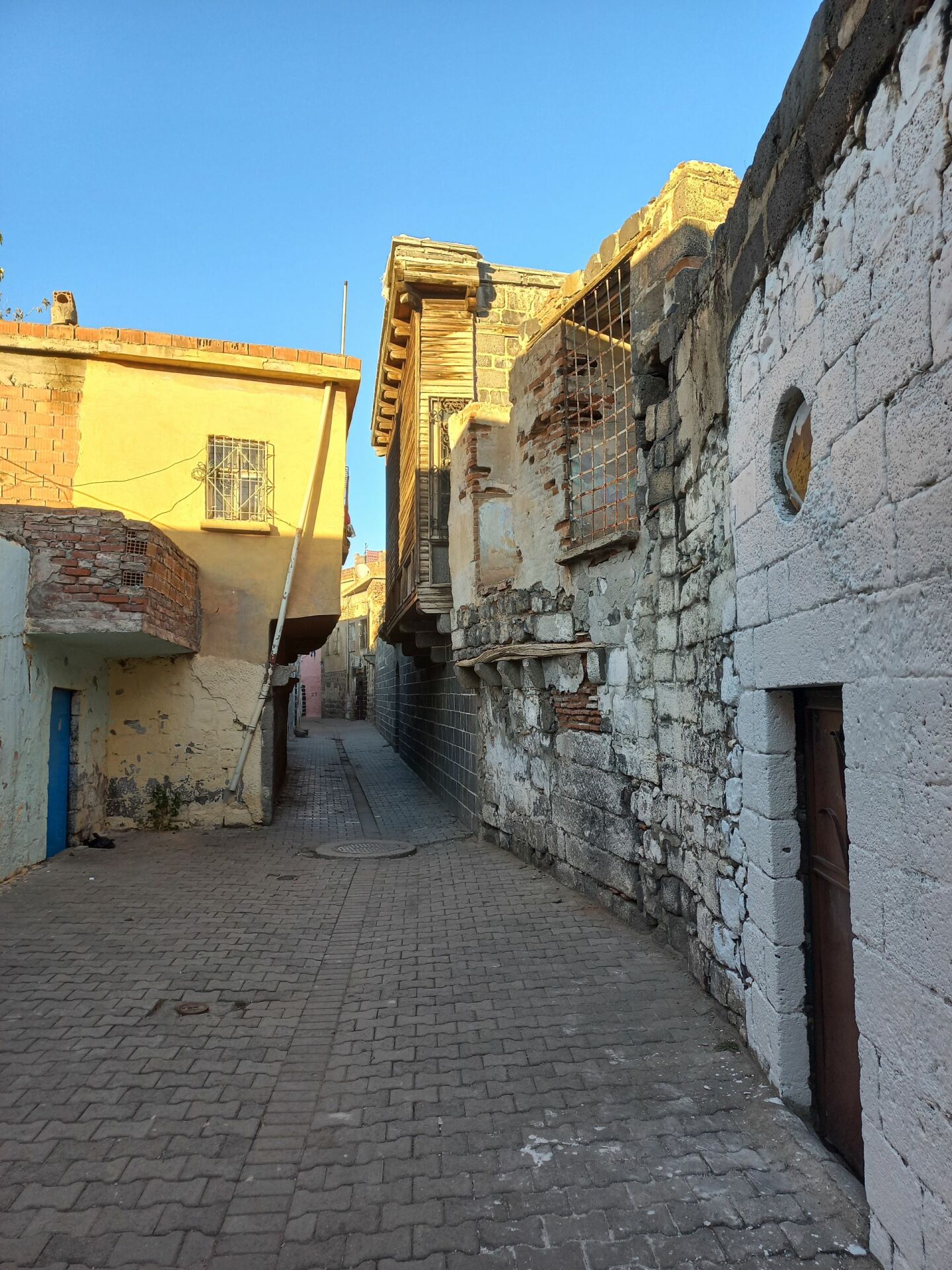
Cultural values constitute essential records through which a society transmits its history, lifestyle, socio-economic structure, artistic achievements, and technological knowledge to future generations. These values are generally classified into two principal categories: tangible and intangible cultural heritage. Tangible heritage comprises both movable cultural property, such as archaeological artifacts, coins, and manuscripts, and immovable cultural property, including buildings, monuments, archaeological sites, and historic settlements. Cultural assets embody a combination of archaeological, historical, aesthetic, artistic, social, religious, and technological values, the preservation of which is fundamental to maintaining collective memory. An important manifestation of this heritage is the urban conservation site (kentsel sit), which protects the historical, architectural, artistic, and cultural fabric of an urban area as an integrated whole. Rather than focusing on individual monuments, such as palaces, mosques, or mansions, this approach seeks to preserve the overall urban character created by streets, squares, gardens, and surrounding buildings. Consequently, the historical identity of an area is transmitted to future generations while ensuring the continuity of traditional architecture, urban memory, and cultural tourism.
The concept of the historic environment has gradually evolved from the preservation of individual monuments to a holistic understanding of conservation. The theoretical foundations of urban conservation were established during the nineteenth century through the contrasting approaches of Stylistic Restoration and Romanticism. Eugène Viollet-le-Duc advocated stylistic restoration (unity of style), arguing that historic buildings should be restored to an idealized and complete state by removing later additions. In contrast, John Ruskin and William Morris rejected restoration altogether, maintaining that historic structures should be preserved through regular maintenance and repair in order to retain their authenticity. This intellectual debate laid the foundations of modern conservation philosophy. During the first half of the twentieth century, Camillo Boito and Gustavo Giovannoni further advanced restoration theory by treating historic buildings as documentary evidence and advocating the principle of minimum intervention, while Cesare Brandi refined these ideas through his Theory of Restoration. Subsequently, the urban conservation approach adopted by ICOMOS (International Council on Monuments and Sites) expanded the scope of preservation from individual monuments to their wider historical settings. This transformation reached a decisive milestone with the Venice Charter (1964), which defined the historic environment as urban or rural settlements bearing witness to a particular civilization or historical event and shifted international conservation practice from the scale of individual monuments to that of the urban environment.
Introduced during the 1960s, the concept of urban conservation was progressively broadened to ensure the sustainability of the built environment. The Venice Charter established that cultural heritage should be preserved as an integrated whole rather than as isolated monuments. It emphasized the protection of entire urban and rural settlements associated with historical civilizations or events and extended conservation to include not only monumental architecture but also modest buildings that had acquired cultural significance over time. This represented a fundamental transition from monument-centered preservation to the holistic conservation of historic urban areas.
Substantial developments in conservation theory and practice occurred during the final quarter of the twentieth century. The designation of 1975 as the European Architectural Heritage Year stimulated numerous international congresses and policy initiatives promoting the concept of integrated conservation. The resulting Amsterdam Declaration emphasized the preservation of architectural additions from different historical periods as harmonious components of a single heritage resource. Conservation interventions in deteriorating urban and rural settlements increasingly sought to improve living conditions while preserving social justice and preventing displacement through gentrification. Consequently, conservation evolved from a predominantly physical activity into a multidimensional process encompassing social, economic, legal, and technical considerations.
The Convention for the Protection of the Architectural Heritage of Europe (1985) further broadened the definition of cultural heritage by incorporating groups of rural buildings. The Nara Document on Authenticity (1994) redefined authenticity in response to the challenges of globalization, while the emergence of the concepts of cultural landscape and intangible heritage during the late 1990s demonstrated that conservation extends beyond physical structures to include traditions, collective perceptions, and broader geographical contexts. The Faro Convention (2005) subsequently introduced a more participatory approach by framing cultural heritage within the principles of human rights, democracy, and community values. Since the beginning of the twenty-first century, conservation practice has increasingly been guided by the concepts of sustainability, living heritage, and the historic urban landscape. Contemporary conservation strategies emphasize revitalization, seeking to rehabilitate historic neighborhoods while adapting them to present-day social and economic needs. At the same time, concerns regarding commercialization and gentrification have reinforced the need for dynamic, value-based conservation policies that regard heritage not as a static remnant of the past but as a living component of sustainable development and social identity.
The evolution of urban conservation in Türkiye—from the preservation of individual monuments to urban conservation sites and integrated management—may be examined within four principal historical phases. The first period (1850–1930) was characterized by continuous maintenance and the influence of the City Beautiful movement. Conservation during the late Ottoman period focused primarily on repairing damaged buildings, while the late nineteenth century witnessed the adoption of Western planning ideas, including the Haussmannian practice of clearing the surroundings of monumental structures. The second period (1930–1950) emphasized museology and urban planning during the early Republican era, when historic artifacts were primarily collected and preserved in museums. A major milestone was the 1932 Ankara Master Plan prepared by Hermann Jansen, which introduced the concept of preserving historic environments through comprehensive urban planning rather than protecting isolated monuments. The third period (1950–1980) marked the institutionalization of conservation and the emergence of the site (sit) concept. The establishment of the Superior Council of Immovable Antiquities and Monuments in 1951 strengthened restoration activities, while the influence of the Venice Charter encouraged the expansion of conservation from individual buildings to entire historic environments. This development culminated in the Antiquities Law No. 1710 (1973), which formally introduced the concept of the conservation site into Turkish legislation.
The fourth period (after 1980) established the contemporary legal and administrative framework for conservation. The Law on the Protection of Cultural and Natural Assets (Law No. 2863, 1983) created a comprehensive legal system for the protection of both cultural and natural heritage and introduced the mandatory preparation of Conservation-Oriented Development Plans (Koruma Amaçlı İmar Planları) for designated conservation sites. The Law No. 5226 (2004) further strengthened the role of local governments by establishing Conservation, Implementation, and Inspection Bureaus (KUDEB) within municipalities and allocating a portion of property tax revenues to conservation projects. Today, conservation in Türkiye extends well beyond the physical restoration of historic buildings, encompassing social, economic, and cultural dimensions within an integrated framework based on sustainability, living heritage, and cultural tourism.
References
Apaydın Özdemir, A. (2023). Kentsel sitlerdeki sivil mimari miras için önleyici koruma yöntemi önerisi: Kentsel sit sivil mimari miras izleme tekniği (KESİT) (Unpublished doctoral dissertation). Eskişehir Teknik Üniversitesi, Lisansüstü Eğitim Enstitüsü, Eskişehir; Körlü, E. (2020). Kentsel sit alanlarında sürdürülebilir koruma–geliştirme için bir model önerisi: Adana Tepebağ–Kayalıbağ mevkii (Unpublished doctoral dissertation). Konya Teknik Üniversitesi, Lisansüstü Eğitim Enstitüsü, Konya; Kurun, A. (2023). Silivri kentsel sit alanı koruma sorunları üzerine bir değerlendirme (Unpublished master's thesis). Gazi Üniversitesi, Fen Bilimleri Enstitüsü, Ankara.
See Also