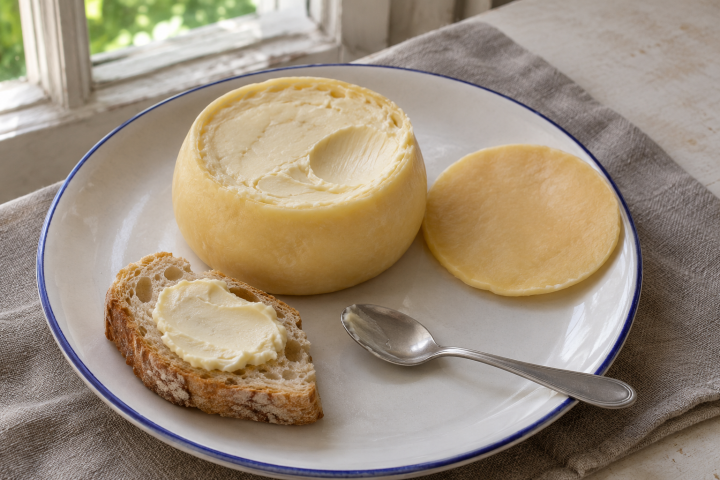
Queijo de Azeitão (Setúbal Peninsula, Portugal)
Queijo de Azeitão is a small Portuguese cheese made from raw ewe’s milk set with cardoon flowers in the foothills of the Serra da Arrábida, where cheesemakers produce a buttery interior beneath a thin yellow rind.
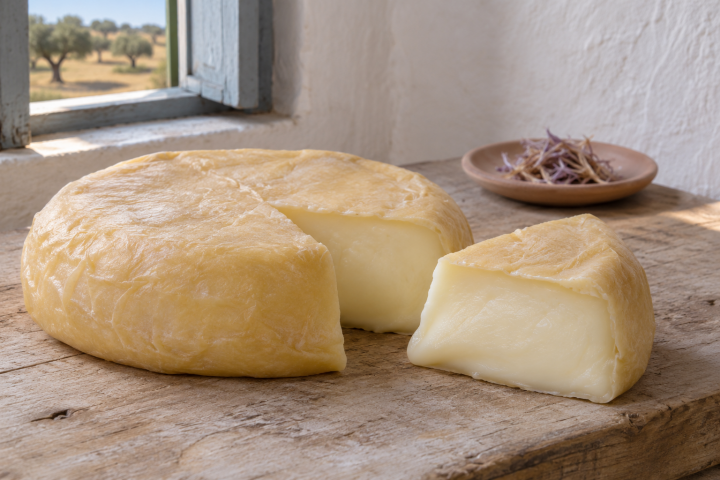
Queijo Serpa (Serpa, Alentejo, Portugal)
Queijo Serpa is a Portuguese ewe’s milk cheese from the Alentejo, made by setting raw milk with cardoon flowers and known for its buttery texture when young and its firmer, more persistent flavour with age.
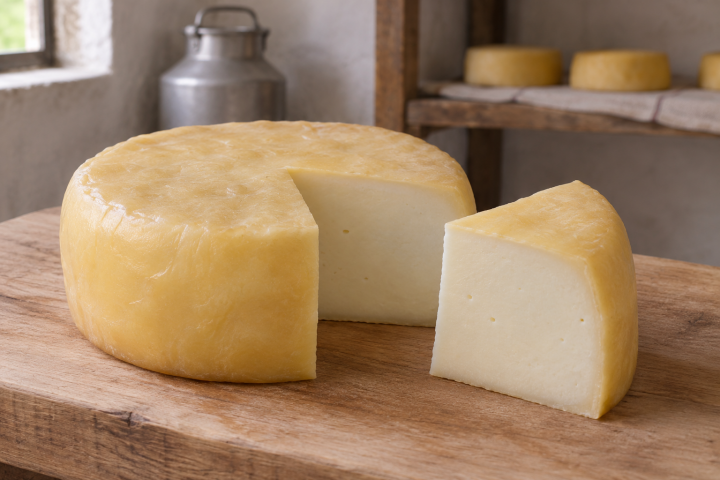
Queijo Rabaçal (Rabaçal, Penela, Portugal)
Queijo Rabaçal is a small, firm Portuguese cheese made from raw ewe’s and goat’s milk in the limestone hills of the Serra de Sicó, where wild thyme grows on the pastures grazed by local flocks.
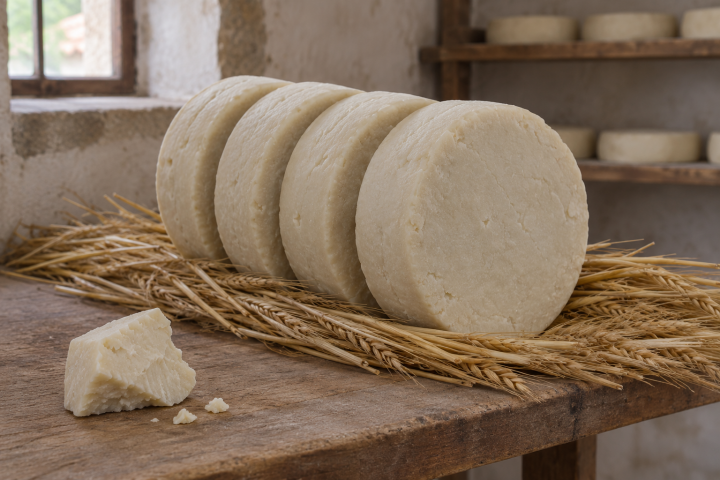
Queijo Picante da Beira Baixa (Beira Baixa, Portugal)
Queijo Picante da Beira Baixa is a small, rindless Portuguese cheese that takes its name from the sharp, peppery flavour it develops as it matures.
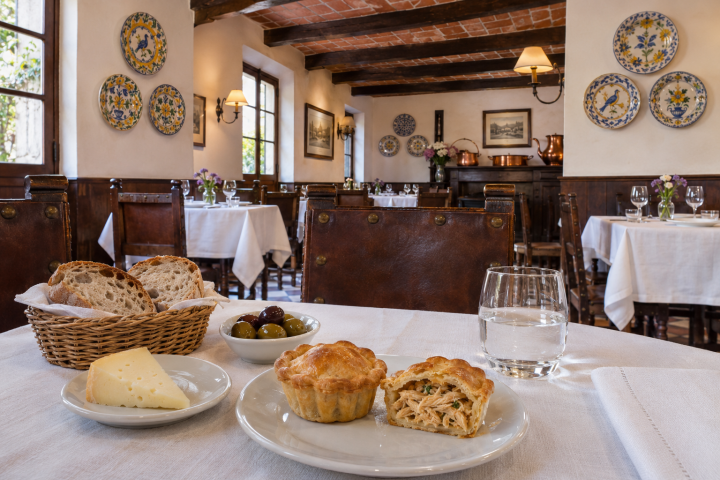
Restaurante Fialho (Évora, Alentejo, Portugal)
Founded as a neighbourhood tavern in 1945, this family-run restaurant in Évora’s historic centre is known for its game dishes, bread-based soups, and wines from the Alentejo.
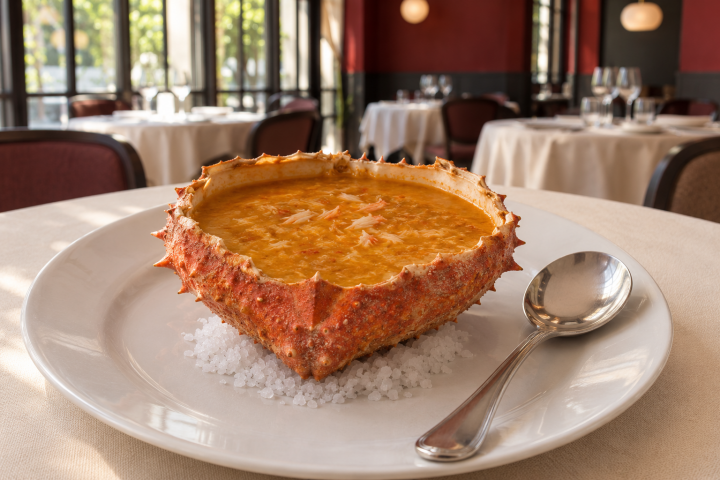
O Nobre (Lisbon, Portugal)
At this family-run restaurant near Lisbon’s Campo Pequeno, chef Justa Nobre serves dishes from her native Trás-os-Montes alongside seafood recipes she developed on the Portuguese coast.

Tortas de Azeitão (Azeitão, Setúbal, Portugal)
These small golden sponge rolls, filled with sweet egg-yolk cream, are a specialty of Vila Nogueira de Azeitão in the foothills of the Serra da Arrábida.
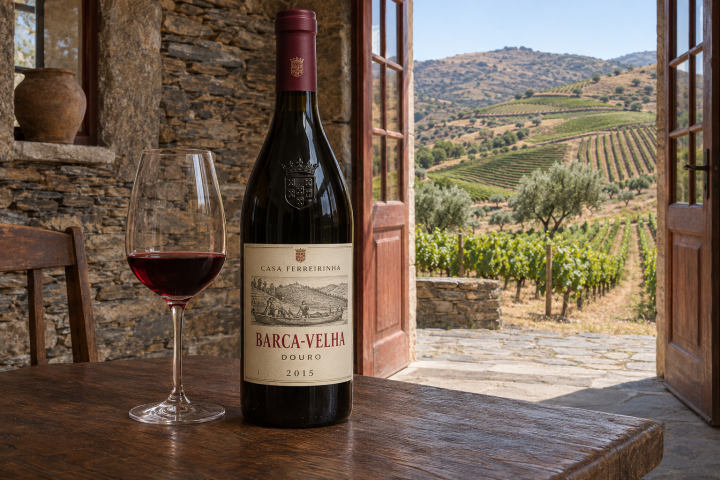
Barca-Velha (Douro, Portugal)
Casa Ferreirinha reserves this name for a dry red Douro wine that its winemakers judge capable of ageing for decades, a decision they make only after years of tasting the wine in bottle.
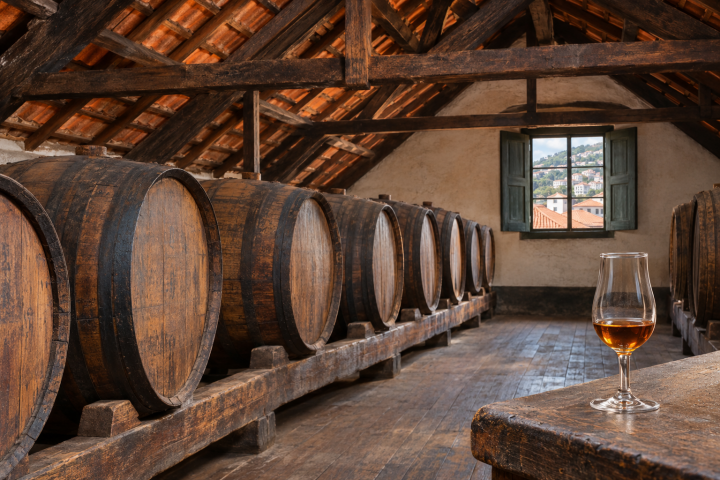
Madeira Wine / Vinho da Madeira (Madeira and Porto Santo, Portugal)
This Portuguese fortified wine owes its distinctive flavour and longevity to ageing in warmth and contact with air, a practice shaped by the Atlantic trade routes that once carried it around the world.
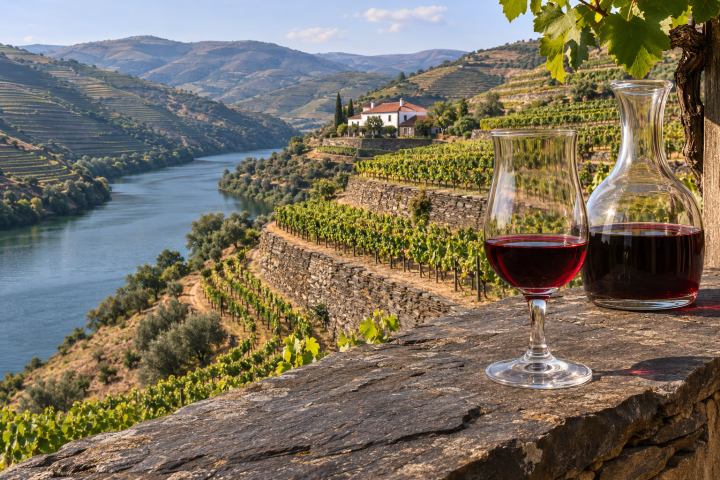
Port Wine / Vinho do Porto (Douro and Porto, Portugal)
This fortified wine takes its name from the Portuguese city through which it was traded, while its grapes grow inland on the terraced slopes of the Douro Valley.
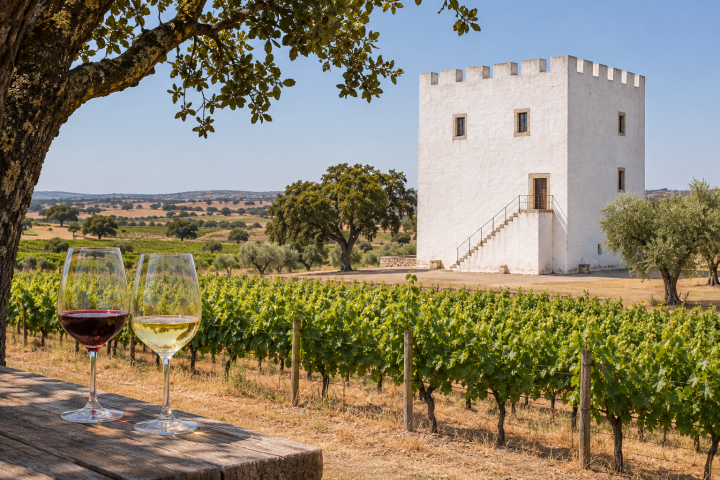
Herdade do Esporão Wines (Reguengos de Monsaraz, Alentejo, Portugal)
This estate in southern Portugal produces red and white wines from organically farmed vineyards and is known for its Reserva blends, artist-designed labels, and use of traditional Alentejo clay vessels.
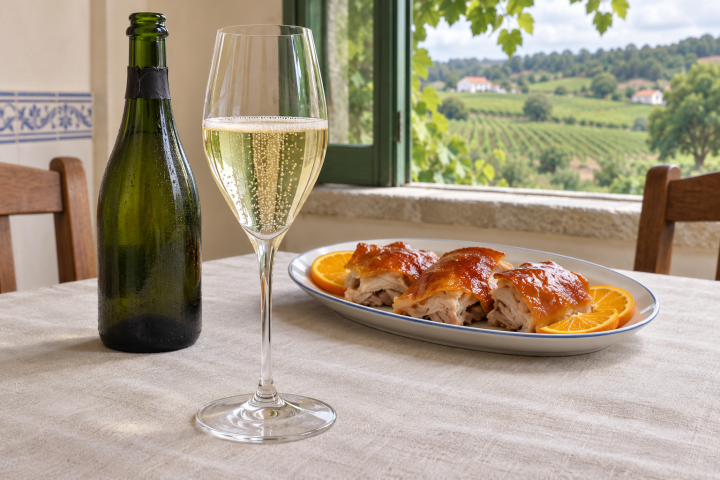
Espumante da Bairrada / DOC Bairrada Sparkling Wine (Bairrada, Portugal)
These bottle-fermented sparkling wines from Portugal’s Atlantic coast include white, rosé, and red styles and are traditionally served with the region’s roast suckling pig.