Portugal related entries
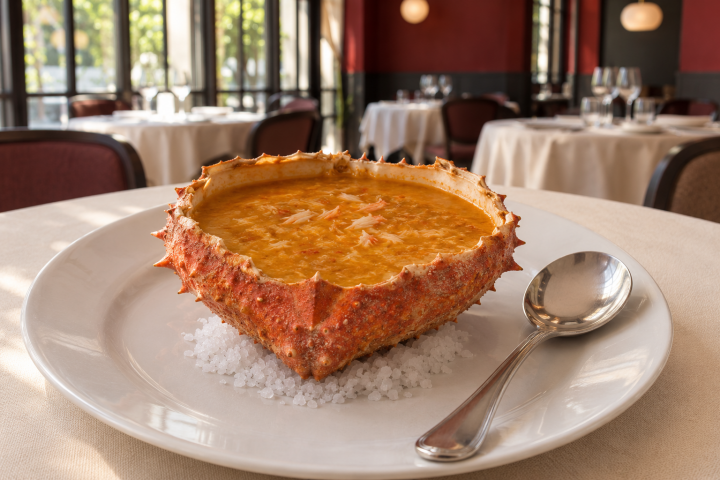
O Nobre (Lisbon, Portugal)
At this family-run restaurant near Lisbon’s Campo Pequeno, chef Justa Nobre serves dishes from her native Trás-os-Montes alongside seafood recipes she developed on the Portuguese coast.

Tortas de Azeitão (Azeitão, Setúbal, Portugal)
These small golden sponge rolls, filled with sweet egg-yolk cream, are a specialty of Vila Nogueira de Azeitão in the foothills of the Serra da Arrábida.
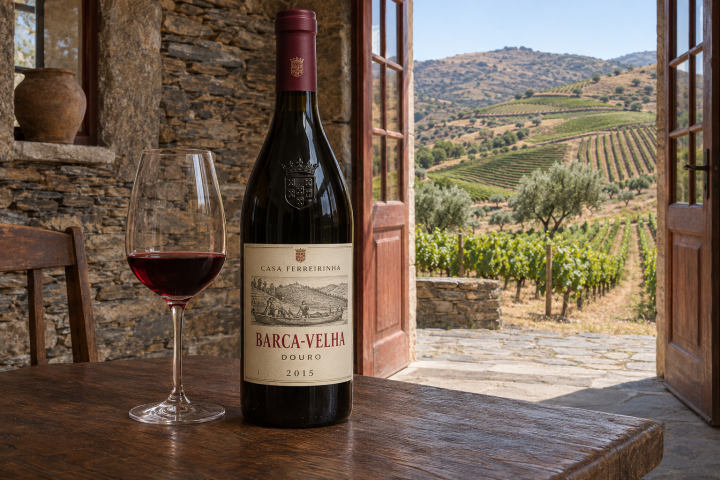
Barca-Velha (Douro, Portugal)
Casa Ferreirinha reserves this name for a dry red Douro wine that its winemakers judge capable of ageing for decades, a decision they make only after years of tasting the wine in bottle.
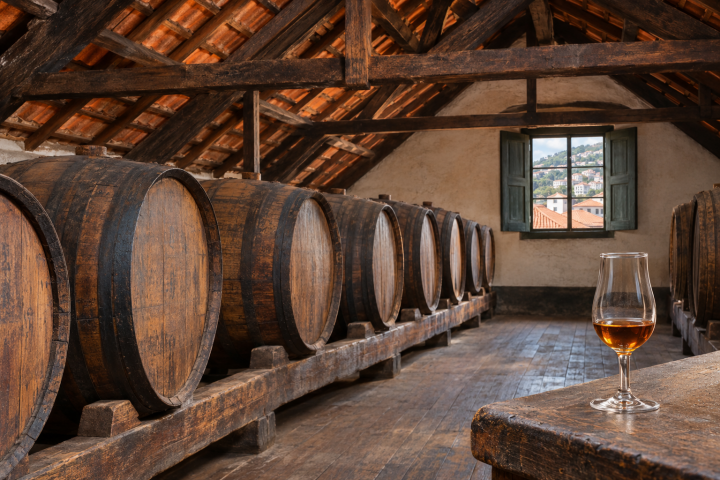
Madeira Wine / Vinho da Madeira (Madeira and Porto Santo, Portugal)
This Portuguese fortified wine owes its distinctive flavour and longevity to ageing in warmth and contact with air, a practice shaped by the Atlantic trade routes that once carried it around the world.
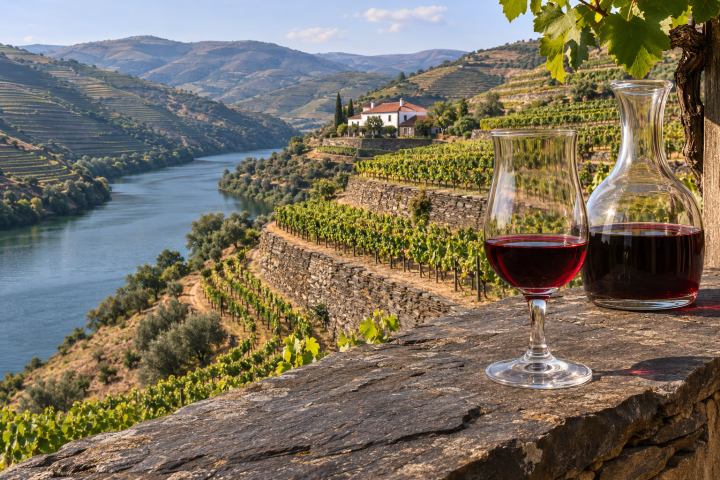
Port Wine / Vinho do Porto (Douro and Porto, Portugal)
This fortified wine takes its name from the Portuguese city through which it was traded, while its grapes grow inland on the terraced slopes of the Douro Valley.
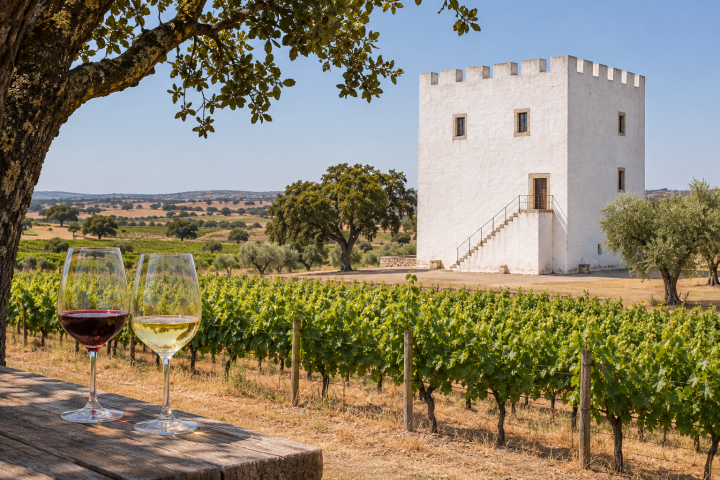
Herdade do Esporão Wines (Reguengos de Monsaraz, Alentejo, Portugal)
This estate in southern Portugal produces red and white wines from organically farmed vineyards and is known for its Reserva blends, artist-designed labels, and use of traditional Alentejo clay vessels.
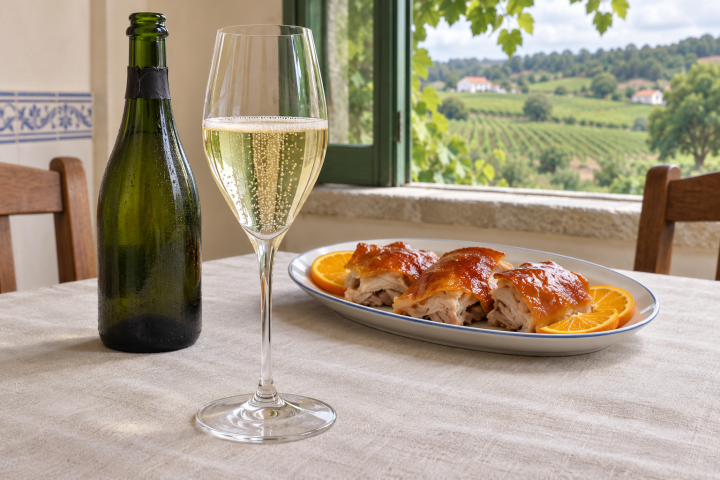
Espumante da Bairrada / DOC Bairrada Sparkling Wine (Bairrada, Portugal)
These bottle-fermented sparkling wines from Portugal’s Atlantic coast include white, rosé, and red styles and are traditionally served with the region’s roast suckling pig.
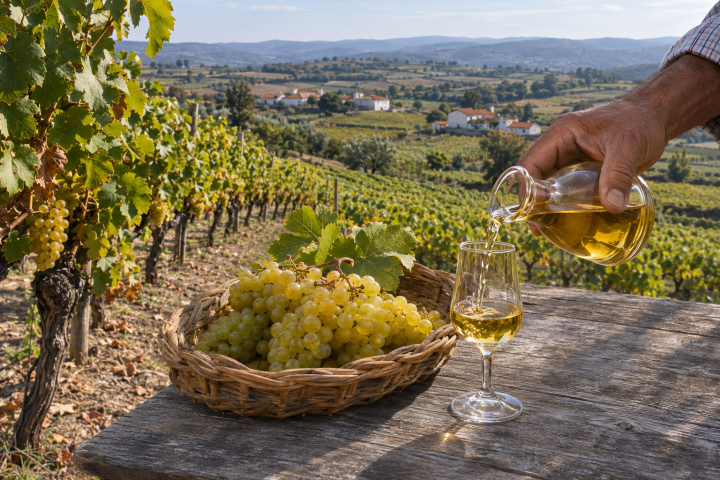
Moscatel de Favaios (Douro Demarcated Region, Portugal)
On the Favaios plateau in northern Portugal, growers turn small-berried white Muscat grapes into a sweet fortified wine served both as an everyday aperitif and, after years in wood, as a dessert wine.
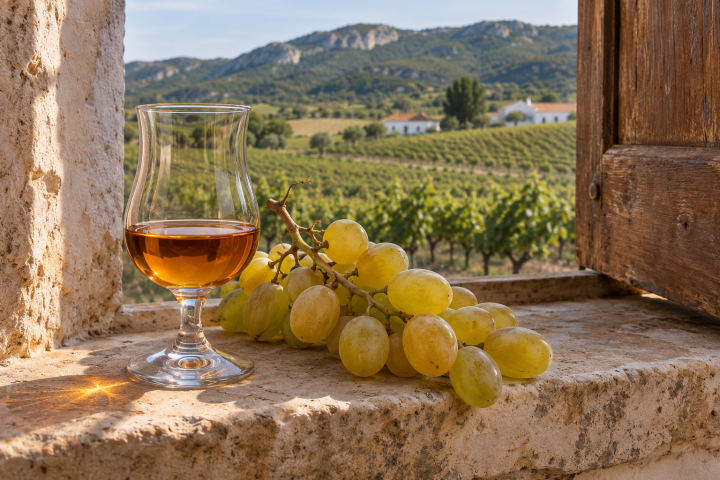
Moscatel de Setúbal (Setúbal Peninsula, Portugal)
This sweet fortified wine from the peninsula south of Lisbon owes its distinctive orange-blossom and citrus-peel aromas to Muscat of Alexandria grapes and prolonged contact with their skins after fortification.
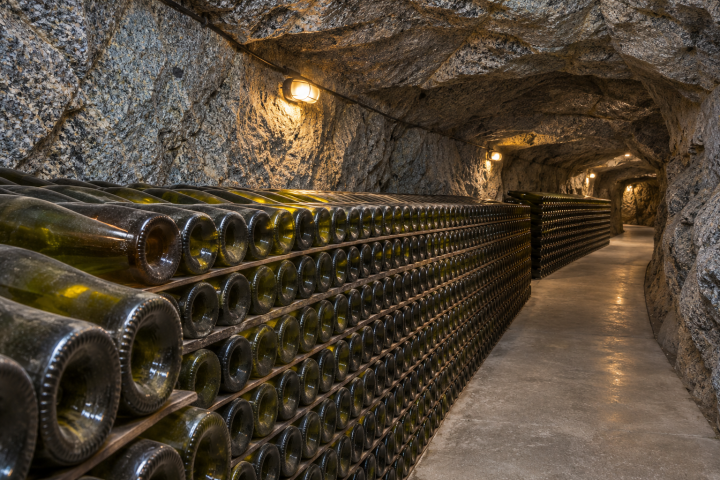
Espumante Murganheira (Távora-Varosa, Portugal)
These Portuguese sparkling wines undergo a second fermentation in the bottle and mature in cellars cut into blue granite at Ucanha in the Varosa Valley.
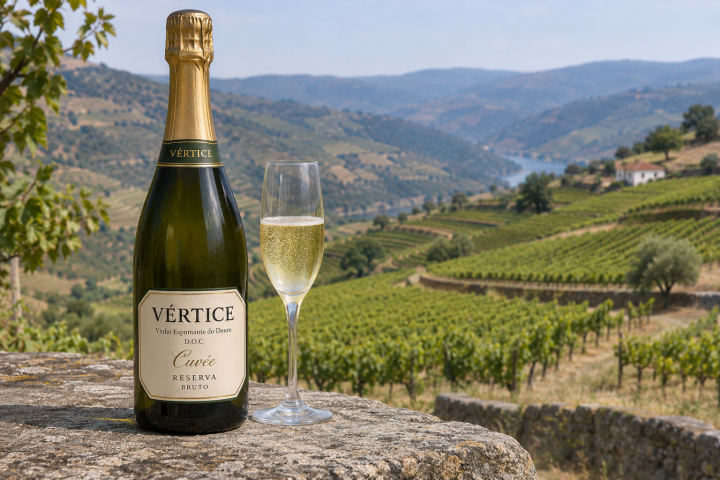
Espumante Vértice (Alijó, Douro, Portugal)
Caves Transmontanas produces this range of sparkling wines on Portugal’s Alijó plateau, using grapes from the cooler uplands of the Douro and a second fermentation in the bottle.
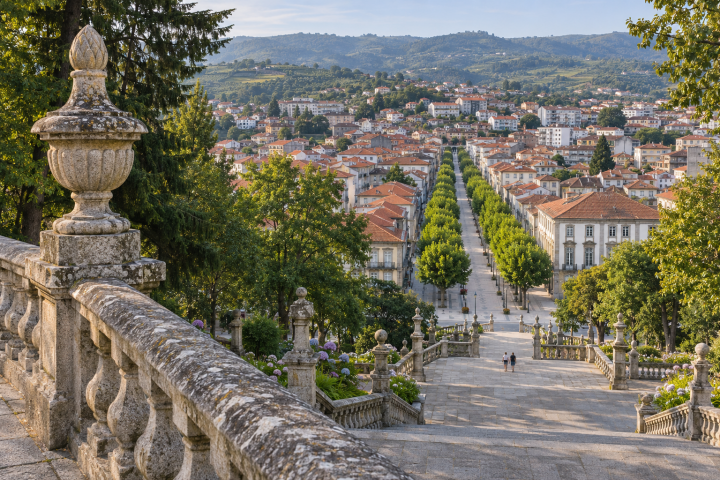
Historic City of Lamego / Cidade de Lamego (Viseu District, Douro Subregion, Portugal)
This episcopal city in the hills south of the Douro River is known for its medieval castle quarter, the monumental staircase of a Marian pilgrimage shrine, and its sparkling-wine cellars.