About the Author
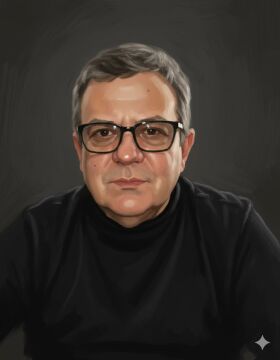
FERNANDO RAMOS
Country: Portugal City of residence: COIMBRA Education: PhD - University of Granada/ University of Coimbra Academic titles: Prof. Dr. Research interests: Sociocultural Animation Work organizations: Polythecnic University of Coimbra
Social Media
Academic Profile Pages


This traditional confection from Portugal’s Aveiro lagoon consists of egg yolks cooked in sugar syrup and is sold in thin wafers shaped like fish and shells or in small decorated barrels.
Devamını OkuOn Monte Latito, beside Guimarães Castle, this fifteenth-century ducal residence is distinguished by its steep roofs and 39 cylindrical brick chimneys; it now houses a decorative arts museum and an official residence of the Portuguese president.
Devamını OkuBuilt for Porto’s merchants near the Douro waterfront, this nineteenth-century Neoclassical palace houses a former trading floor beneath a glass roof and a Moorish Revival hall used for civic receptions.
Devamını OkuOn a granite ridge above Sintra, this nineteenth-century Romantic royal residence incorporates a sixteenth-century monastery and overlooks a wooded park designed alongside the palace.
Devamını OkuAt the centre of this eighteenth-century Baroque estate northwest of Lisbon, a domed basilica links the king’s and queen’s apartments, while a Franciscan convent and its library occupy the buildings behind them.
Devamını OkuOn the left bank of the Mondego River in Coimbra, the ruins of a Gothic convent preserve evidence of how generations of Poor Clare nuns adapted their church to repeated floods.
Devamını OkuOverlooking the Douro from Pena Ventosa hill, this medieval seat of the bishops of Porto is distinguished by its twin towers, Gothic cloister, and blue-and-white tile panels.
Devamını OkuThis twelfth-century Romanesque church in Portugal’s former capital preserves its fortress-like silhouette, while its west steps remain a traditional setting for Coimbra’s student serenades.
Devamını OkuIn Granada and its surrounding province in Andalusia, bars commonly serve a small dish with a glass of beer or wine at no extra charge.
Devamını OkuAn eighteenth-century Baroque bell tower of carved granite rises above Porto’s historic center, where it once signaled the arrival of shipping and now offers panoramic views across the Douro River.
Devamını Oku