Portugal related entries
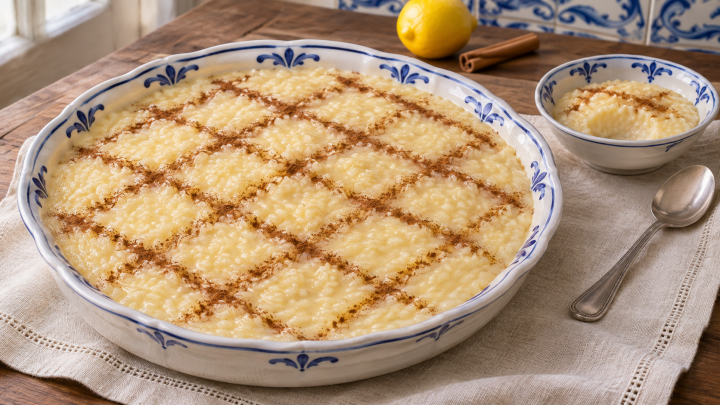
Arroz-doce (Portugal)
A traditional Portuguese sweet rice dish, commonly flavored with lemon and cinnamon, prepared in regional variations and associated with domestic cooking, festive meals, and hospitality.
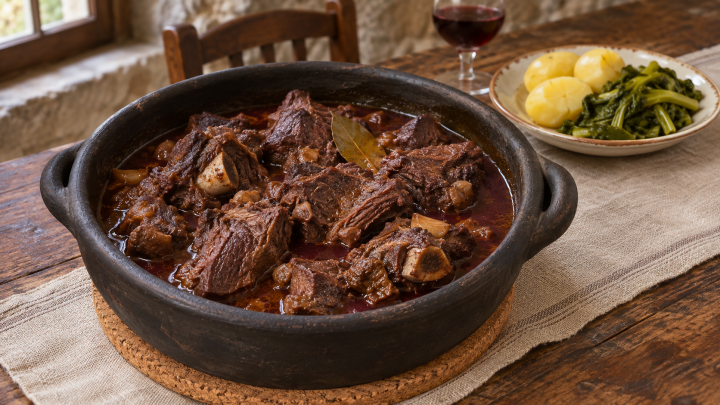
Chanfana (Central Portugal)
A traditional dish of mature goat meat slowly cooked in red wine in earthenware vessels, associated with rural celebrations and gastronomic tourism in central Portugal.

Degree in Gastronomy at ESEC / Licenciatura em Gastronomia (Coimbra, Portugal)
An interdisciplinary undergraduate program combining culinary practice, food science, gastronomic heritage, and tourism through cooperation between higher education institutions and a hospitality training school.
Coimbra School of Hospitality and Tourism / Escola de Hotelaria e Turismo de Coimbra (Coimbra, Portugal)
A public vocational school providing hospitality, culinary, and tourism education within the national training network managed by Turismo de Portugal.
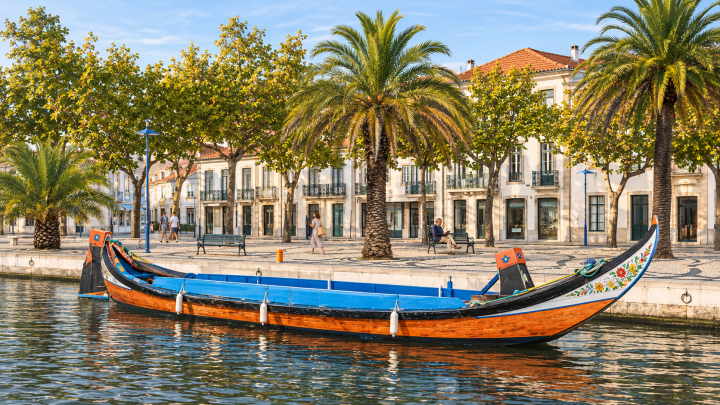
Historic Centre and Canals of Aveiro / Centro Histórico e Canais de Aveiro (Aveiro, Portugal)
A historic urban landscape in central Portugal shaped by lagoon canals, salt production, traditional moliceiro boats, and Art Nouveau architecture.
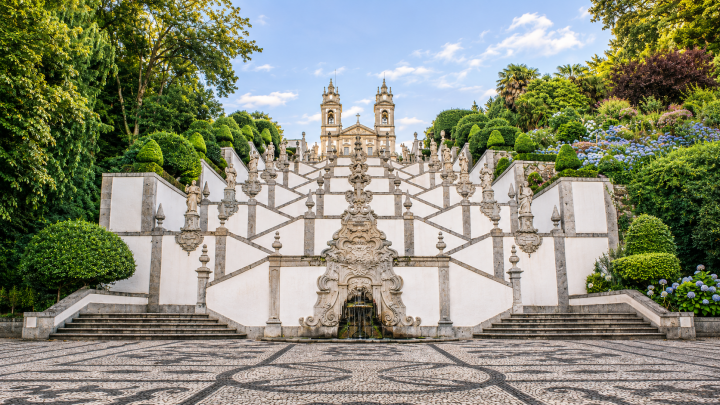
Sanctuary of Bom Jesus do Monte / Santuário do Bom Jesus do Monte (Braga, Portugal)
A Catholic pilgrimage landscape overlooking Braga, distinguished by monumental stairways, allegorical fountains, a Neoclassical basilica, and a historic water-powered funicular.
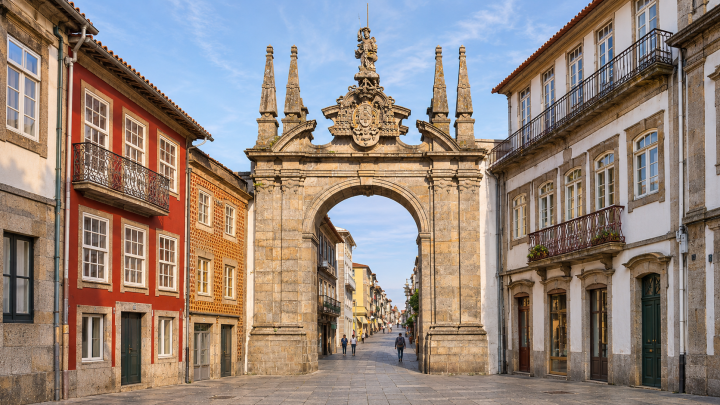
Historic City of Braga / Cidade Histórica de Braga (Braga District, Minho, Portugal)
A historic city in northwestern Portugal combining Roman archaeological remains, an ancient episcopal tradition, Baroque architecture, and living pilgrimage practices.
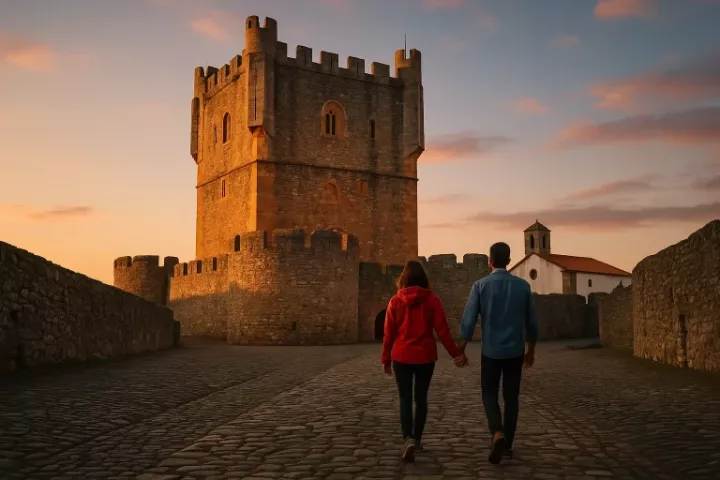
Historic City and Citadel of Bragança / Cidade Histórica e Cidadela de Bragança
A historic frontier city in northeastern Portugal, distinguished by its inhabited medieval citadel, Gothic castle keep, and former council hall built above a cistern.
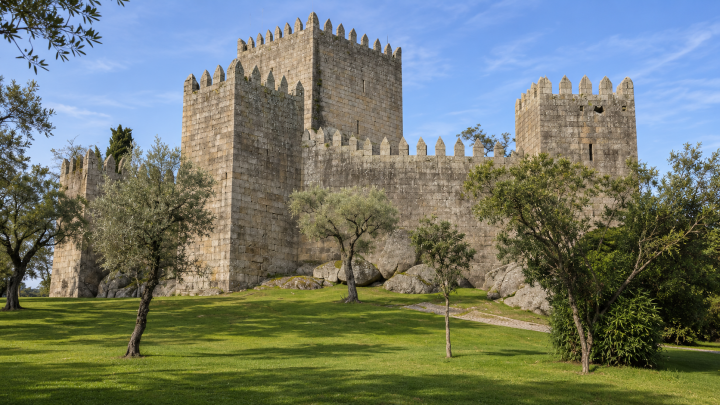
Guimarães Castle / Castelo de Guimarães (Guimarães, Portugal)
This medieval hilltop fortress in northern Portugal is closely associated with the formation of the Portuguese kingdom and the memory of its first king.
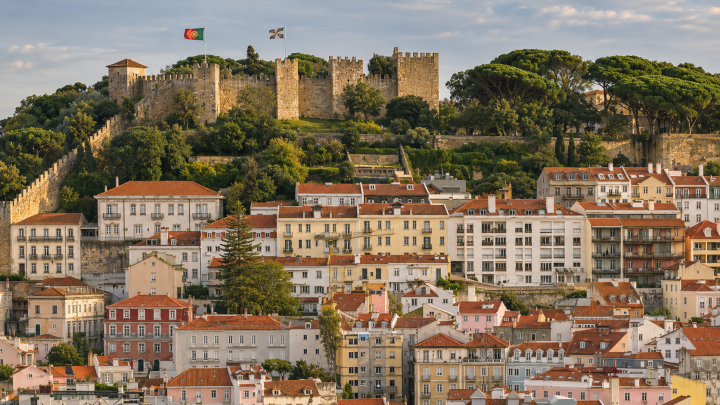
Castle of São Jorge / Castelo de São Jorge (Lisbon, Portugal)
Overlooking the Tagus estuary, this medieval fortress stands within Lisbon’s former hilltop citadel, where excavations have revealed an Iron Age settlement, Islamic courtyard houses, and the remains of a Portuguese royal palace.
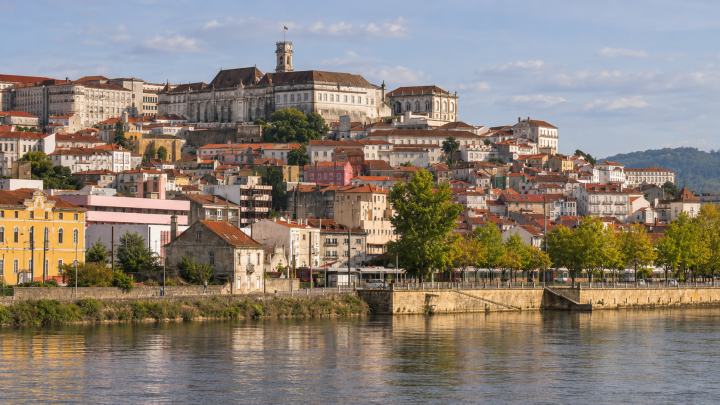
Historic City of Coimbra / Cidade Histórica de Coimbra (Coimbra District, Portugal)
On the banks of the Mondego in central Portugal, a former royal capital preserves a Roman forum beneath its episcopal museum, a university in its medieval palace, and a tradition of student serenades on the steps of its Old Cathedral.
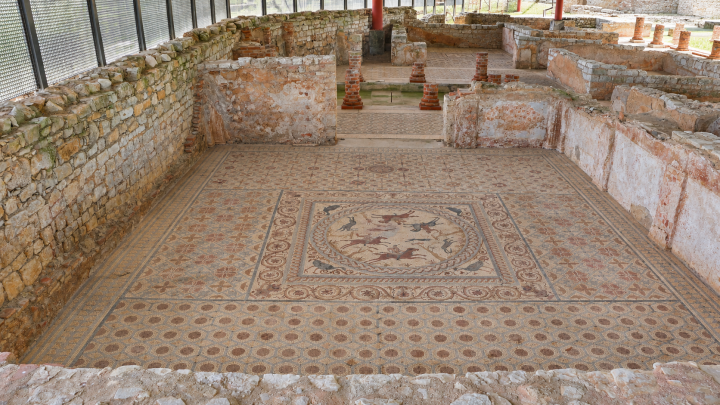
Ruins of Conimbriga / Ruínas de Conímbriga (Condeixa-a-Nova, Coimbra District, Portugal)
Southwest of Coimbra, the remains of a Roman city preserve mosaic floors in their original rooms, the waterworks that supplied houses and public baths, and a defensive wall that cut through residential quarters.