Termas da Curia (Anadia, Portugal)
HEALTH TOURISM Health and Wellness Accommodation COUNTRIES AND TERRITORIES Portugal Health Tourism Destinations Resort Hotels by Health and Wellness Focus Health Tourism
Anadia, Portugal
-
2026

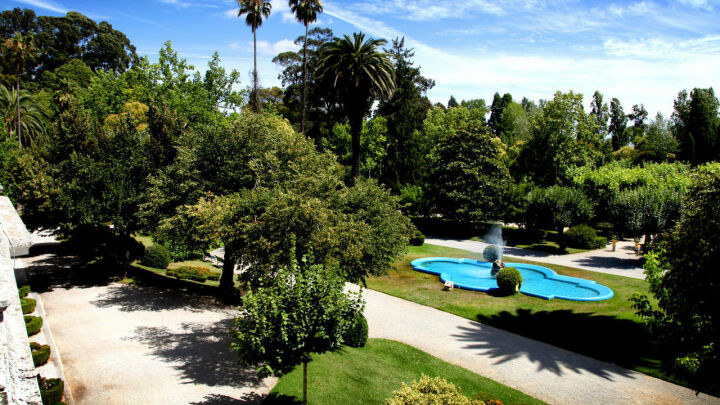
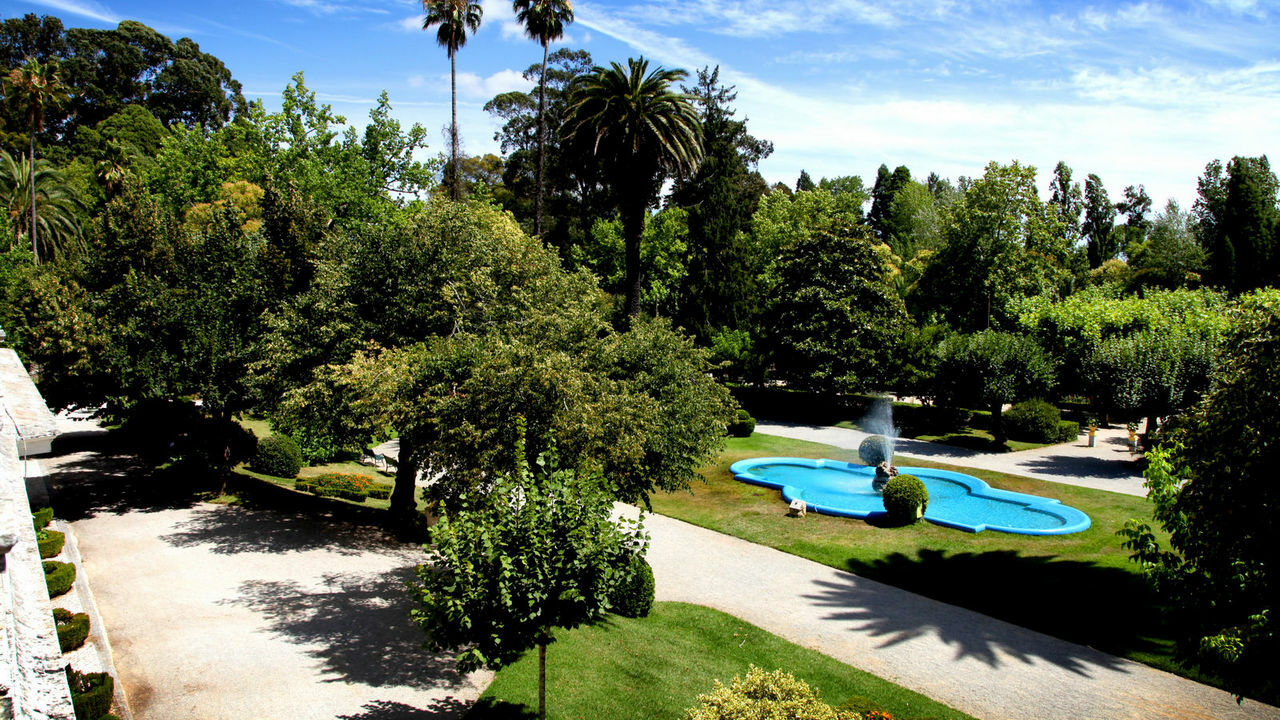
Termas da Curia is located in the municipality of Anadia, Aveiro District, in central Portugal. Its facilities occupy a landscaped estate of approximately 14 hectares containing the thermal treatment complex, Hotel Termas da Curia, mature trees, walking paths, and an artificial lake. This setting brings accommodation, treatment, and outdoor recreation together within a single resort landscape. The Buvette Albano Coutinho, a pavilion associated with drinking the mineral waters, is another characteristic element of the site.
The development of the modern spa began in the late nineteenth century. At the initiative of Luís Navega, then a medical student, the chemist Charles Lepierre investigated the local waters and published their chemical analysis in 1897. The Sociedade das Águas da Curia was established in 1900 to develop the springs and bathing facilities. A royal charter issued by King Carlos on 31 December 1902 granted the company the concession to exploit the waters; the national mineral-resource register records the concession contract on 15 January 1903. These events established the institutional basis for Curia’s subsequent development as a spa destination.
During the early twentieth century, hotel construction and recreational facilities expanded the settlement’s appeal beyond therapeutic bathing. Among the surrounding architectural landmarks is the Curia Palace Hotel, inaugurated in 1926 following an extensive transformation designed by Manuel Joaquim Norte Júnior. Its eclectic architecture incorporates Art Nouveau ornament, while its interiors retain decorative plasterwork, stained glass, tiles, and timber finishes. The hotel and an associated ensemble of buildings and gardens received classification as a Conjunto de Interesse Público in 2013. Hotel Termas da Curia forms part of the thermal complex itself, whose modern treatment building was completed in 1993.
The mineral waters are principally calcium-sulfate waters with a high dissolved mineral content. Portugal’s Directorate-General for Energy and Geology records a source temperature of approximately 19°C; an analysis dated December 2015 measured total mineralization at 2,131 milligrams per liter and a pH of 7.2. The geological setting includes limestone, marl, and gypsum-bearing formations that contribute to the water’s composition. The official register lists circulatory, renal and urinary, metabolic and endocrine, rheumatic, and musculoskeletal conditions among the therapeutic indications associated with the spa.
The establishment combines medical thermalism with services intended for relaxation and general well-being. Its clinical team includes practitioners in urology, physical and rehabilitation medicine, and general medicine with training in medical hydrology. Mineral-water drinking takes place at the buvette. Published treatment offerings include immersion baths, hydromassage, Vichy showers, underwater showers, rehabilitation pool sessions, massage, and electrotherapy. Wellness services include relaxation massage, sauna use, and individual water-based treatments. These activities give the resort both a clinical function and a role within leisure tourism.
The spa operates throughout the year. Its park provides opportunities for walking and cycling, while the surrounding Bairrada region supports complementary visits to vineyards, wine cellars, and restaurants serving regional dishes such as leitão assado à Bairrada, or roast suckling pig. Curia also forms part of the Curia–Luso–Buçaco tourism area, linking spa facilities with woodland landscapes and architectural heritage. Nearby Coimbra and Aveiro provide further cultural excursions. This combination of mineral-water treatments, historic hospitality, recreation, and regional gastronomy defines Curia’s place within central Portugal’s health and wellness tourism.
References
Cantista, P. (2018). Balneoterapia e saúde: O termalismo em Portugal. Edições Universidade do Porto; Mangorrinha, J. (2012). O lugar das termas: Arquitetura e urbanismo das estâncias termais em Portugal. Editorial Presença; Turismo de Portugal. (2021). Estratégia para o turismo de saúde e bem-estar em Portugal.
See Also
Map